1. Drafting
Legislators or staff prepare the bill's text.
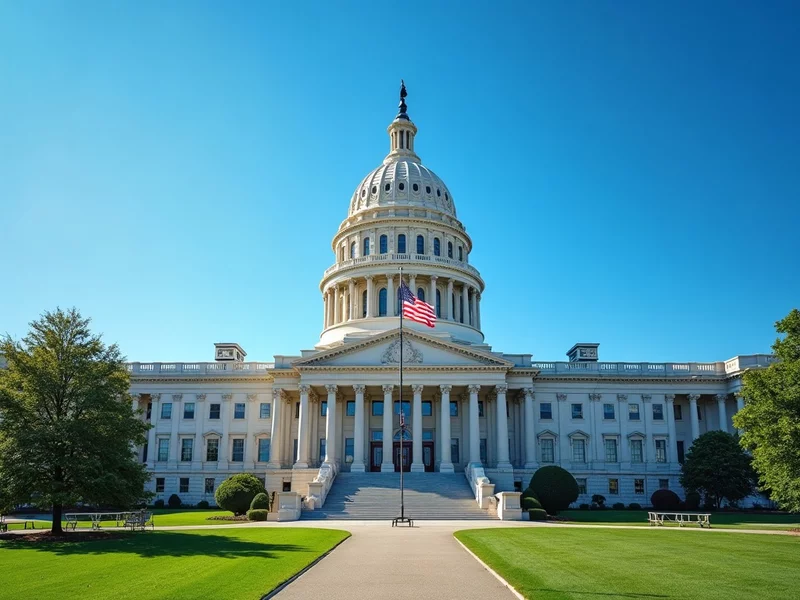
What if understanding your state legislature could empower your voice in local governance? By grasping how these institutions operate, you can better navigate the political landscape and advocate for the issues that matter most to you.
Understanding the stages a bill goes through can illuminate how laws are shaped and enacted, providing insight into civic participation. For a more in-depth look at this journey, explore the journey from proposal to law at the federal level.
Legislators or staff prepare the bill's text.
Bill is formally presented in a chamber.
Discussion, hearings, and amendments in committee.
Full chamber debates and votes on the bill.
If passed, bill moves to other chamber for same process.
Sent to governor for signature or veto.
This comparison highlights the key differences and similarities in how legislative bodies function at state and federal levels.
State legislatures play a vital role in our governance system, acting as the legislative branch for each state. These bodies are responsible for creating laws that affect the daily lives of their constituents. At Next In Office, I aim to break down this complex topic into understandable pieces, so you can grasp just how important these institutions are in shaping laws that impact everything from education to healthcare!
A state legislature is a group of elected representatives responsible for making laws at the state level. Unlike Congress, which handles federal law, state legislatures focus on issues that directly affect their communities. These include local policies, regulations, and budgetary matters that govern everyday life.
Understanding the function of state legislatures is crucial for informed civic engagement. When citizens are aware of what these bodies do, they can better participate in the democratic process!
State legislatures have several core responsibilities that are essential to the effective functioning of state governance. These include lawmaking, budgeting, and oversight. By fulfilling these roles, they ensure that the state government operates smoothly and that the needs of its citizens are addressed. This is crucial for maintaining the power balance in government systems.
By focusing on these responsibilities, state legislatures help maintain a balance of power within state government, ultimately ensuring that the voices of their constituents are heard and represented!
The process of creating laws can be intricate, but it typically involves several stages. A bill is introduced, debated, and modified before it can be passed into law. Understanding this process empowers citizens to recognize how laws that affect them come to be.
By breaking down this process, you're not just learning about how laws are made; you're gaining insight into how you can engage with your state legislature effectively!
Legislative sessions are crucial for the lawmaking process. They are scheduled periods during which the legislature meets to conduct its business, including debating bills and passing laws. Knowing when these sessions occur is important for citizens who want to stay informed and involved.
The timing of these sessions affects when laws can be introduced and debated, making it essential for citizens to understand their state’s legislative calendar!
One of the most significant roles of state legislatures is their authority over the state budget. They are responsible for approving budgets that allocate funding to various state departments and programs, affecting everything from education to infrastructure.
By understanding the budget approval process, citizens can better grasp how state funds are managed and advocate for priorities that matter to their communities!
State legislatures also have an essential oversight function. This involves monitoring and evaluating the actions of the executive branch and state agencies to ensure they comply with laws and regulations.
These oversight responsibilities are crucial for maintaining public trust in government and ensuring that state officials act in the best interest of their constituents!
While state legislatures and Congress share some similarities, they also have distinct differences. Understanding these can provide insight into how governance operates at different levels.
By recognizing these differences, you can better appreciate the role that each legislative body plays in shaping our government!
Did you know? Engaging with your state legislator can significantly amplify your voice! Consider scheduling a meeting or participating in local forums to discuss issues that matter to you. Building a relationship with your representatives can lead to more impactful advocacy and a greater understanding of the legislative process.
State legislatures play a crucial role in shaping our communities and influencing daily life across the United States. They are where laws are created, budgets are approved, and citizen voices are heard. Without these legislative bodies, our governance would lack the nuanced understanding that comes from local representation. Each state legislature is pivotal in addressing issues that resonate with the people they serve, making their functions essential to our democracy.
As we’ve explored, the functions of state legislatures extend beyond just lawmaking. They are involved in budgeting and oversight that keep our government accountable. By understanding these roles, citizens can better appreciate how state laws directly affect their lives, from education funding to healthcare policies.
Engaging with your state legislature can be a rewarding experience! I encourage you to connect with your representatives and learn about the issues that matter in your state. This engagement empowers you—after all, informed citizens can advocate for their needs more effectively. Whether it's attending a town hall meeting, sending an email, or following social media updates, every action counts!
By actively participating, you help shape the policies that govern your life. Remember, your voice matters, and understanding the legislative process is the first step to making it heard!
Now that you’ve got a clearer picture of how state legislatures work, it’s time to take action! Stay informed by following reliable news sources, subscribing to updates from your state legislature, and engaging with nonpartisan platforms like Next In Office. These resources can provide you with valuable insights into the legislative processes affecting your state.
Remember, the more informed you are, the more effectively you can advocate for the changes you want to see!
Advocacy groups and lobbying play significant roles in shaping legislation at the state level. These organizations advocate for specific issues, influencing lawmakers and public policy through various methods. For example, they may conduct research, mobilize public opinion, or provide expert testimony during legislative hearings.
Understanding how these entities operate can help you navigate the political landscape and recognize the factors driving legislative decisions in your state.
Constitutional amendments and citizen initiatives are powerful tools for change in state governance. These mechanisms allow citizens to propose changes or new laws directly, bypassing traditional legislative processes. For instance, many states allow voters to initiate measures that can lead to significant reforms in areas such as tax policy or criminal justice.
By understanding these processes, you can actively participate in shaping your state's laws and ensuring that your voice is included in the legislative conversation. Engage with initiatives that matter to you, and make your voice count! For more on how citizens can influence policy, explore how crafting effective policy solutions can begin with grassroots efforts.
Here is a quick recap of the important points discussed in the article:

Jordan McClure is a civic education writer and political researcher focused on helping readers better understand elections, candidates, government systems, and public policy. Through clear and balanced explanations, Jordan breaks down complex political topics into practical information that everyday readers can understand. His work emphasizes clarity, factual accuracy, and context over opinion, helping citizens stay informed and navigate political topics with confidence.