RCV Process Flow
- 1. Voters rank candidates (1st, 2nd, 3rd...).
- 2. If no majority, lowest candidate eliminated.
- 3. Eliminated candidate's votes redistribute to next choice.
- 4. Process repeats until a candidate gets majority.

What if your vote could reflect your true preferences without the fear of wasting it? Ranked Choice Voting (RCV) offers a transformative way to engage in elections, allowing for a more democratic process. Let’s dive into the key insights on this innovative voting system.
Ranked Choice Voting (RCV) offers a distinct approach to elections. This visual breaks down its core process and highlights key differences from traditional voting systems. For a broader understanding of the electoral landscape, read more about understanding US election processes.
Candidate with most votes wins, even without majority.
Second election for top candidates if no majority. Increased cost, fatigue.
No additional elections; aims for majority directly. Fosters inclusive environment.
If you've been following the evolving landscape of voting systems, you may have heard about ranked choice voting (RCV). This innovative approach allows voters to rank candidates in order of preference rather than choosing just one. So, what exactly does this mean for you as a voter? Allow me to break it down!
In a ranked choice voting system, if your top choice doesn't get enough votes to win, your vote can shift to your second choice. This process continues until a candidate secures a majority of votes. Essentially, RCV aims to ensure that the winning candidate has broader support among the electorate.
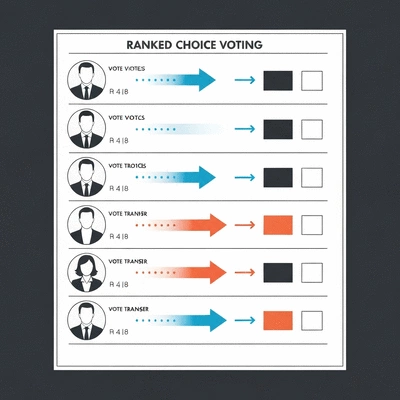
At its core, ranked choice voting allows voters to express their preferences more fully. Instead of being restricted to a single vote, you can rank multiple candidates based on your opinions. This system is particularly useful in elections with multiple candidates, where it can be challenging for any one individual to secure a simple majority. For insights into how votes are tallied, consider reading about counting and certifying election results.
By incorporating this method, elections can be more reflective of voters' true preferences, and it minimizes the need for costly runoff elections.
One of the key advantages of ranked choice voting is its focus on achieving a majority outcome. In traditional voting systems, a candidate can win with only a plurality — meaning they have more votes than any other candidate but not necessarily a majority. This can lead to situations where many voters feel dissatisfied with the outcome.
With RCV, the goal is to ensure that the winning candidate is the one that most voters actually prefer. This often leads to a more engaged electorate and encourages candidates to appeal to a broader audience. Ultimately, it promotes a healthier democratic process!
Now, let’s put ranked choice voting in context with other systems. Traditional voting methods, like plurality voting and runoff elections, can often leave voters feeling their needs aren’t met. Here’s how RCV stacks up:
As we move forward, it’s important to consider how shifting to ranked choice voting can change the landscape of our elections and enhance voter satisfaction.
What do you think about ranked choice voting? Do you believe it will enhance voter satisfaction and engagement? Share your thoughts below:
Ranked Choice Voting (RCV) has sparked much debate about its effectiveness in various electoral contexts. As we evaluate its impact, it’s important to consider both the advantages and disadvantages of this voting system. Is RCV the right choice for every election? Let’s explore this question together!
Many voters appreciate the concept of RCV, believing it could lead to more representative outcomes. However, some argue that it might complicate the voting process. Here are a few key factors to consider when assessing RCV:
Each of these aspects can significantly influence whether RCV is beneficial or problematic in practice. While Next In Office aims to foster clarity around such topics, understanding these nuances is essential for making informed decisions.

When it comes to implementing Ranked Choice Voting, the context truly matters. Some elections may benefit from this system, while others might not. Here are factors that can help determine if RCV is appropriate for a specific election:
Ultimately, the suitability of RCV varies from one election to another. As voters, it’s crucial to understand how these factors play into the larger picture of electoral reform.
One of the main goals of any voting system is to encourage higher voter turnout and engagement. RCV has been touted for its potential to fulfill this objective. Here’s how it works:
As I delve deeper into these aspects, it's clear that RCV can indeed have a positive effect on voter participation. However, the extent to which it does so may depend on local dynamics and voter familiarity with the system. Voters keen on making informed decisions should also consider researching candidates before you vote.
A: Ranked Choice Voting is an electoral system where voters rank candidates in order of preference instead of choosing just one. If no candidate receives a majority of first-choice votes, the candidate with the fewest votes is eliminated, and their votes are redistributed to the next preferred candidate until a majority winner emerges.
A: In plurality voting, the candidate with the most votes wins, even if they don't have a majority. RCV, on the other hand, ensures that the winning candidate has majority support by redistributing votes from eliminated candidates until one candidate reaches over 50% of the votes.
A: Yes, one of the key benefits of RCV is that it simulates a runoff election directly on the ballot, eliminating the need for costly and time-consuming separate runoff elections.
A: RCV can increase voter engagement by allowing voters to express their preferences more fully and by reducing "wasted" votes. It also encourages candidates to appeal to a broader base of voters, which can lead to a more inclusive political dialogue.
A: The suitability of RCV can depend on the specific context of an election. It is particularly effective in elections with multiple candidates and in environments with high voter interest or political polarization, as it can encourage broader appeal and majority outcomes.
Here is a quick recap of the important points discussed in the article:

Jordan McClure is a civic education writer and political researcher focused on helping readers better understand elections, candidates, government systems, and public policy. Through clear and balanced explanations, Jordan breaks down complex political topics into practical information that everyday readers can understand. His work emphasizes clarity, factual accuracy, and context over opinion, helping citizens stay informed and navigate political topics with confidence.