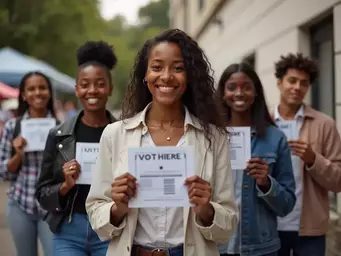
Independent Candidates: A Real Choice

Did you know that independent candidates can reshape our political landscape by bridging gaps between traditional party lines? Their presence offers voters a fresh perspective that encourages active participation in democracy.
What You Will Learn
- Independent candidates run without party affiliation, prioritizing personal beliefs over party loyalty.
- They provide political flexibility, allowing for a broader exploration of issues that directly affect constituents.
- Independents can attract voters across the political spectrum, appealing to both moderates and disillusioned party members.
- Their diverse political ideologies include progressivism, libertarianism, and conservatism, creating unique political identities.
- Independent candidates often champion minority representation, advocating for policies that benefit underrepresented communities.
- They can inspire civic engagement by encouraging voters to participate actively in the political process.
- Supporting independents can take many forms, from volunteering to spreading awareness within the community.
Key Differences: Independent vs. Party-Affiliated Candidates
Understanding the distinctions between independent candidates and those aligned with political parties is crucial for informed participation in elections. Below is a comparison of their key characteristics across several critical areas. For more details on how elections work, read our article on understanding US election processes.
Comparison Category
Independent Candidates
No party affiliation; prioritizes personal beliefs over party loyalty.
Party-Affiliated Candidates
Aligns with a political party; adheres to party platform.
Political Flexibility
Independent Candidates
Can adjust views based on constituent needs; free from party dictates.
Party-Affiliated Candidates
Often bound by party line; platform dictates positions.
Voter Base
Independent Candidates
Attracts voters across the political spectrum; appeals to moderates.
Party-Affiliated Candidates
Primarily appeals to registered party members and loyalists.
Campaign Funding
Independent Candidates
Relies on grassroots support and individual donations.
Party-Affiliated Candidates
Access to party resources, PACs, and established donor networks.
Ideological Approach
Independent Candidates
Often blends various ideologies; issue-focused, not party-line.
Party-Affiliated Candidates
Generally adheres to a defined party ideology (e.g., progressive, conservative).
Understanding Independent Candidates in Politics
Independent candidates play a unique and crucial role in our political landscape. Unlike those affiliated with major parties, independents offer voters a different option, often representing alternative viewpoints and policies. In this section, we'll break down what it means to be an independent candidate, how they differ from party-affiliated candidates, and the ideologies that shape their campaigns.

Defining Independent Candidates: What Does It Mean?
An independent candidate is someone who runs for office without being affiliated with any political party. This means they don’t align themselves with the traditional party platforms, allowing for a more diverse range of ideas and beliefs. Independent candidates often appeal to voters who are disillusioned with the established parties and are seeking change.
In essence, being an independent means prioritizing personal beliefs over party loyalty. This approach can attract voters looking for authenticity and a fresh perspective in the political arena.
- Independents can run for various offices, including local, state, and federal positions.
- They often focus on issues rather than party allegiance.
- Independents may lean towards specific ideologies but refuse to be boxed into a single party.
The appeal of independents lies in their ability to address issues that matter to their constituents without the constraints that party affiliation often brings. This flexibility can lead to a richer political discourse, which is something we strive to highlight at Next In Office!
Comparing Independent Candidates to Party Affiliations
When we look at independent candidates, it's vital to compare them with traditional party-affiliated candidates. Party affiliations often dictate a candidate's platform, influencing their policy positions and legislative priorities. In contrast, independents are free to explore a wider array of issues.
Here are some key differences between independent candidates and those tied to party affiliations:
- Political Flexibility: Independents can adjust their views based on what they believe is best for their constituents.
- Voter Base: Independents often attract voters across the political spectrum, appealing to moderates and disenchanted party members.
- Campaign Funding: Party-affiliated candidates typically have access to party resources, while independents often rely on grassroots support. For more information on how funding impacts elections, explore campaign finance and its impact.
This comparison illustrates how independent candidates can provide alternatives that resonate with voters looking for change! At Next In Office, we aim to make these distinctions clear, so citizens can make informed decisions.
The Role of Political Ideologies for Independent Candidates
Political ideologies greatly influence independent candidates, just as they do for party-affiliated candidates. However, independents often blend various ideologies, creating a unique political identity. This can range from progressive to conservative views, depending on the issue at hand.
Understanding these ideologies is crucial for voters. Here are some common ideologies independent candidates may adopt:
- Progressivism: Advocating for social reforms and environmental protection.
- Libertarianism: Emphasizing individual freedoms and minimal government intervention.
- Conservatism: Focusing on traditional values and fiscal responsibility.
By examining the ideologies of independent candidates, we can gain insights into their motivations and policy positions. This understanding helps voters align their choices with candidates who share their values. At Next In Office, we believe that informed participation is key to a healthy democracy!
Ballot Access and Election Mechanics for Independent Candidates
Getting independent candidates on the ballot can be a complex process. Various rules and regulations govern how they can participate in elections. This section will delve into the mechanics of ballot access and what it means for independent candidates.
Quick Summary
Here's a brief recap of the key points discussed so far:
- Independent candidates offer alternatives to major party platforms, attracting voters seeking diverse viewpoints.
- They possess political flexibility, allowing them to adapt their views based on constituent needs.
- Independents often emphasize minority representation, advocating for policies that uplift underrepresented communities.
Frequently Asked Questions About Independent Candidates
- What is an independent candidate?
- An independent candidate is an individual who runs for political office without being affiliated with any major political party. They prioritize personal beliefs and constituent needs over party loyalty.
- How do independent candidates differ from party-affiliated candidates?
- Independent candidates have greater political flexibility, can adjust their views based on constituent needs, and often attract voters from across the political spectrum. Party-affiliated candidates typically adhere to a party platform and have access to established party resources for campaigning.
- What are some common ideologies independent candidates might adopt?
- Independent candidates can blend various ideologies, including progressivism (social reforms, environmental protection), libertarianism (individual freedoms, minimal government), and conservatism (traditional values, fiscal responsibility).
- How do independent candidates impact minority representation?
- Independent candidates often champion minority representation by advocating for policies that benefit underrepresented communities and addressing issues that mainstream parties might overlook.
- How can I support independent candidates?
- You can support independent candidates by volunteering your time, spreading awareness on social media or within your community, attending local events, joining advocacy groups, and engaging in political discussions.
Summarizing the Importance of Independent Candidates
When we think about the political landscape, independent candidates play a crucial role in shaping our democratic system. These candidates often bridge gaps between traditional party lines, offering voters a choice that reflects their values and beliefs. By providing alternative viewpoints and challenging the status quo, independents encourage a more vibrant political discourse.
Moreover, independent candidates can inspire us to engage more actively in the political process. Their presence on the ballot often provokes discussions about the need for reform in a system that can sometimes feel rigid and divided. So, let's dive into how these candidates contribute to our democracy.
The Role of Independents in a Democratic System
Independent candidates serve as a reminder that our democracy is not just about two-party politics. They offer unique perspectives that can resonate with those who feel disenfranchised or disillusioned with the major parties. Here are a few reasons why independents are vital:
- Diverse Perspectives: They bring fresh ideas and viewpoints that may not be adequately represented by the major parties.
- Encouraging Voter Participation: Independents can attract new voters who might feel alienated by traditional party politics.
- Promoting Accountability: By running outside of established parties, they can hold elected officials accountable and push for transparency.
These factors contribute to a healthier democratic system. By supporting independent candidates, we help foster an environment where diverse voices can thrive, ultimately strengthening our collective political engagement.
Minority Representation and Independent Candidates
Independent candidates often emerge as champions for minority representation. They address the needs of communities that might be overlooked by mainstream parties. In many cases, these candidates advocate for issues that resonate with marginalized groups, bringing their concerns to the forefront of political debates.
- Empowering Underrepresented Voices: Independents can advocate for policies that directly benefit minority communities.
- Fostering Inclusive Policies: They often push for reforms that address systemic inequalities, making politics more inclusive.
- Community Engagement: Independent candidates often engage with local communities, ensuring that their voices are heard and considered.
By highlighting the importance of minority representation, independent candidates encourage a more equitable political landscape, fostering a sense of belonging and respect for all citizens.
Engaging with Independent Candidates: Your Next Steps
Getting involved with independent candidates can be an empowering experience! It’s not just about voting; it’s also about making your voice heard in the political arena. Let’s explore some practical steps you can take to support these candidates in your area.

How to Support Independent Candidates in Your Area
Supporting independent candidates can take many forms, and every bit helps. Here are some effective ways you can get involved:
- Volunteer Your Time: Offer to help with campaign efforts, whether it's canvassing, phone banking, or hosting events.
- Spread the Word: Share information about independent candidates on social media or within your community.
- Attend Local Events: Participate in town halls or candidate forums to learn more and engage with the candidates directly.
These actions can foster community awareness and enthusiasm for independent candidates, promoting a more informed electorate.
Stay Informed: Resources to Follow Independent Candidates
Staying updated on independent candidates can be as easy as following a few trusted resources. Here are some great platforms to keep you informed:
- Independent Candidate Websites: Many candidates maintain personal websites with platforms, news, and events.
- Social Media: Follow candidates on platforms like Twitter or Facebook for real-time updates.
- Political News Sites: Websites like Next In Office provide insights into various candidates, their policies, and upcoming elections. You can also learn how to research candidates before you vote.
Keeping these resources in mind will help you remain engaged and informed about the movements and messages of independent candidates.
Civic Engagement and Political Activism for Independents
Civic engagement is essential for nurturing a healthy democracy. As you explore your support for independent candidates, consider the following opportunities for activism:
- Join Local Advocacy Groups: Many organizations focus on supporting independent candidates and can provide additional resources.
- Participate in Political Discussions: Engage with your community to discuss the importance of independent candidates.
- Educate Others: Share what you learn about independent candidates with friends and family to expand awareness.
By taking these steps, we can create a more vibrant and participatory political environment that encourages independent voices. Every action counts, and together, we can amplify the importance of independence in our democracy!
Recap of Key Points
Here is a quick recap of the important points discussed in the article:
- Independent Candidates: They run without party affiliation, allowing them to represent diverse viewpoints and appeal to disillusioned voters.
- Political Flexibility: Independents can adjust their policies based on constituents' needs, unlike party-affiliated candidates bound by party platforms.
- Diverse Ideologies: Independent candidates often blend various political ideologies, from progressivism to libertarianism, reflecting a broader spectrum of beliefs.
- Minority Representation: They advocate for underrepresented communities, bringing attention to issues that may be overlooked by mainstream parties.
- Engagement Strategies: Voters can support independents through volunteering, spreading awareness, and attending local events to foster community engagement.
Jordan McClure
Jordan McClure is a civic education writer and political researcher focused on helping readers better understand elections, candidates, government systems, and public policy. Through clear and balanced explanations, Jordan breaks down complex political topics into practical information that everyday readers can understand. His work emphasizes clarity, factual accuracy, and context over opinion, helping citizens stay informed and navigate political topics with confidence.