Governor Powers in Everyday Politics
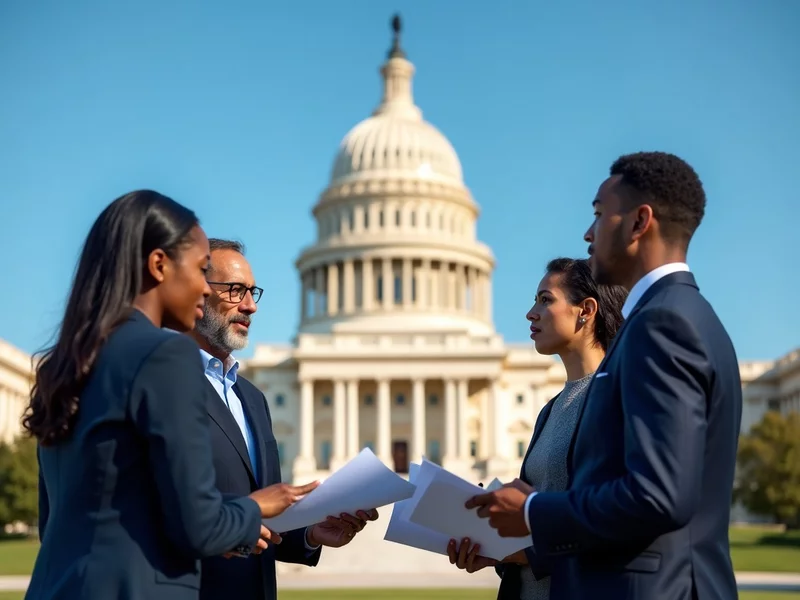
Understanding the role of a governor is key to navigating our political landscape effectively. With unique powers and responsibilities, governors significantly influence state policies that impact our daily lives.
What You Will Learn
- The governor serves as the chief executive, overseeing the state’s executive branch and implementing laws.
- Governors have the authority to veto legislation, providing a crucial check on the legislature's power.
- They are responsible for managing the state budget, influencing fiscal policy and resource allocation.
- Governors can issue executive orders to implement policies without waiting for legislative approval.
- Through appointment powers, governors select judges and agency heads, shaping public policy and governance.
Governor's Core Powers and Influence
Understanding the key powers of a governor provides insight into their significant role in state governance, spanning executive, legislative, judicial, and military functions. For a deeper dive into the specific responsibilities of this office, you can explore our article on the role of a governor today.
Executive Powers
- Veto Authority
- Budgetary Powers
- Executive Orders
Legislative Influence
- Propose Legislation
- Sign/Veto Bills
- Call Special Sessions
Judicial Influence
- Appoint Judges
- Grant Pardons
Other Key Powers
- Command National Guard
- Appoint Agency Heads
- Appoint Board Members
Understanding Governor Powers and Responsibilities
Governors play a vital role in shaping state policies and ensuring the smooth functioning of state governance. But what does a governor actually do? Understanding their core responsibilities is essential for all of us who want to navigate our political landscape effectively. Let’s break it down!
What Does a Governor Do? A Breakdown of Core Responsibilities
A governor's duties can be likened to a conductor of an orchestra, ensuring every section works in harmony. Their role encompasses various responsibilities, which include:
- Leading the Executive Branch: Governors are the heads of the state’s executive branch, responsible for implementing state laws.
- Proposing Legislation: They often propose new laws or amendments to existing ones, laying the groundwork for legislative agendas.
- Overseeing State Agencies: Governors supervise state agencies, ensuring they function smoothly and align with the state's goals.
- Engaging with Citizens: They interact with the public to address concerns and gather feedback about state policies.
By understanding these core responsibilities, we can better grasp how our governors influence our daily lives and the policies that affect our communities.
Defining Governor Powers: Authority and Roles in State Governance
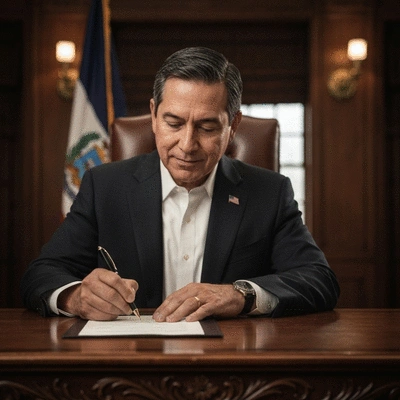
At the heart of a governor's role is their unique set of powers. These powers shape their authority and define how they interact with the legislative and judicial branches. Here’s a closer look at the key responsibilities:
- Executive Authority: This power allows them to execute and enforce laws.
- Legislative Leadership: They can call special sessions of the legislature and must sign or veto bills passed by the legislature.
- Judicial Influence: Governors have the ability to appoint judges and grant pardons, impacting the judicial landscape significantly.
Recognizing these powers helps us understand the significant influence governors wield over our state’s governance. Their decisions can resonate through legislation and policies that ultimately shape our communities. For further reading on how leaders make decisions, consider our article on how government leaders make decisions.
Exploring the Types of Governor Powers
As we dive deeper into the powers governors hold, it's clear that these can be categorized into various types. Each type of power plays a crucial role in how governors manage their states, from leading the executive branch to overseeing judicial appointments. Let’s explore these powers further!
Executive Powers: Leading the State's Executive Branch
The executive powers of a governor allow them to guide the state's direction. Here are some essential aspects of these powers:
- Veto Authority: Governors can veto legislation, serving as a check on the legislative branch.
- Budgetary Powers: They prepare and propose the state budget, influencing spending priorities.
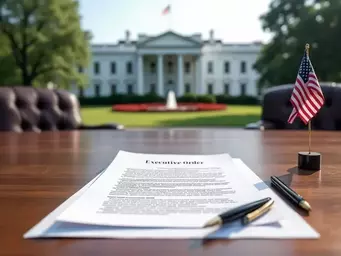
- Executive Orders: Governors can issue executive orders to direct state agencies and implement policies swiftly.
Each of these powers plays a significant role in how effectively a governor can lead their state.
Veto Authority: Understanding Legislative Checks and Balances
The veto power is one of the most critical tools at a governor's disposal. It allows them to reject legislation they believe does not serve the best interests of their constituents. This authority ensures a system of checks and balances, empowering governors to protect the public's interest.
Budgetary Powers: The Governor's Role in Fiscal Management
Governors have a profound impact on state budgets, as they propose the fiscal plan that outlines spending priorities. By managing budgetary powers, they can prioritize areas like education, healthcare, and infrastructure. This is crucial for meeting the needs of the community.
Executive Orders: Directing Policy and Administrative Actions
Through executive orders, governors can enact policies without waiting for legislative approval. This power allows for swift action, especially in times of crisis or when immediate changes are necessary. It’s a powerful tool for implementing their vision for the state!
Military Powers: Control Over the National Guard and Public Safety
Governors also possess military powers, which include command over the state’s National Guard. This authority is crucial during emergencies, allowing governors to mobilize forces for disaster response, law enforcement, or public safety initiatives.
Appointment Powers: Selecting Key Officials and Agency Heads
Another critical aspect of a governor's power is their appointment authority. They have the responsibility to appoint key positions within the state government, including:
- Heads of state agencies
- Members of boards and commissions
- Judges in the state judicial system
These appointments can significantly influence the direction of public policy and governance within the state.
Judicial Appointments: The Governor's Influence on the State Courts
When governors appoint judges, they shape the judicial landscape of their states. This influence can have long-term effects on legal interpretations and the administration of justice.

Interactive Poll: Your Thoughts on Governor Powers
How do you feel about the powers held by your state governor? Share your opinion below:
Summarizing the Role and Authority of State Governors
As we explore the landscape of state governance, it’s essential to summarize the key roles and responsibilities that governors undertake. These elected officials act as the chief executive officers of their states, wielding significant powers that shape local policies and impact citizens' lives. Understanding the breadth of these responsibilities empowers us as voters and engaged citizens.
Through our discussions at Next In Office, we've highlighted how governors possess both executive and legislative functions, from enforcing state laws to managing budgets. Their influence extends to appointing key officials and directing state agencies, making them central figures in political and public life.
Key Takeaways on Governor Powers and Responsibilities
- The governor serves as the state's chief executive, overseeing the executive branch.
- They have the power to veto legislation, providing a crucial check on the legislature.
- Governors manage the state budget, influencing fiscal policy and resource allocation.
- They can issue executive orders to implement policies without legislative approval.
- Appointment powers allow governors to select judges and agency heads, shaping state governance.
These points reflect the importance of understanding how governors operate within the framework of state government. By knowing what powers they hold, we can better assess their actions and advocate for effective leadership.
Understanding Your State's Executive Authority: Why It Matters
Grasping the extent of your state governor's authority is crucial for active civic participation. It helps us recognize how decisions made at the state level affect our daily lives, from education policies to public health initiatives. A well-informed citizenry is a cornerstone of a functional democracy, and understanding governors' roles is a vital step in that direction.
At Next In Office, we believe that when citizens are aware of their governors' responsibilities, they are better equipped to engage in meaningful discussions about policies and advocate for change when necessary. This awareness encourages accountability and transparency, essential elements for a thriving democratic process.
Engaging with Your State Government
How to Stay Informed About Your Governor's Actions and Policies
Staying informed about your governor's actions is easier than ever! With the rise of digital communication and social media, you have direct access to updates and policies. Here are some practical ways to stay in the loop:
- Follow your governor on social media platforms for real-time updates.
- Subscribe to newsletters from your state government for detailed information.
- Attend town hall meetings or public forums to engage directly with state leaders.
- Utilize official state websites to access reports, budgets, and legislative updates.
By being proactive in seeking information, we can enhance our understanding and engage more effectively with our representatives. It’s about making our voices heard and participating in the democratic process!
Encouraging Civic Engagement: The Importance of Informed Advocacy
Civic engagement is a crucial aspect of our democracy, and informed advocacy plays a vital role in shaping public policy. When citizens understand the issues at hand and advocate for their beliefs, they contribute to a more responsive government. This is where your voice and actions can make a significant difference!
At Next In Office, we encourage our readers to become active participants in their state governance by advocating for policies that resonate with their values and communities. Remember, your engagement matters!
Constituent Services: How Governors Connect with the Public
Governors often provide various services to constituents, ensuring that their needs are met. These services can include:
- Information on how to access state resources and programs.
- Support for local initiatives and community projects.
- Channels for feedback on policies and legislation.
By utilizing these services, citizens can foster a stronger relationship with their government and ensure their concerns are heard and addressed.
Public Policy: The Role of Governors in Shaping State Initiatives
Governors play a pivotal role in shaping public policy across various sectors, from education to healthcare. Their decisions can have long-lasting effects on the welfare of the community. Here are some key areas where governors exercise influence:
- Education reform and funding initiatives.
- Public health programs and crisis response strategies.
- Economic development efforts and job creation policies.
Recognizing the significance of these areas can motivate citizens to engage with policy discussions and advocate for initiatives that align with their values! For more details on fiscal policy, check out our guide to understanding fiscal policy basics.
Frequently Asked Questions About Governor Powers
What are the primary responsibilities of a governor?
A governor's primary responsibilities include leading the state's executive branch, implementing state laws, proposing legislation, overseeing state agencies, and engaging with citizens to address concerns and gather feedback.
How do governors influence state budgets?
Governors significantly influence state budgets by preparing and proposing the fiscal plan. This allows them to set spending priorities for areas such as education, healthcare, and infrastructure, which are crucial for meeting the needs of the community.
What is the veto authority of a governor?
Veto authority is a critical power that allows governors to reject legislation passed by the legislative branch. This serves as an important check and balance, empowering governors to prevent laws they believe are not in the best interest of their constituents from being enacted.
Can a governor issue executive orders without legislative approval?
Yes, governors can issue executive orders to direct state agencies and implement policies without needing legislative approval. This power enables swift action, particularly during crises or when immediate changes are necessary to achieve their vision for the state.
How do governors shape the judicial system?
Governors shape the judicial system through their appointment powers. They can appoint judges to state courts, which has long-term effects on legal interpretations and the overall administration of justice within the state.
Recap of Key Points
Here is a quick recap of the important points discussed in the article:
- Governors serve as the state's chief executive, overseeing the executive branch and implementing state laws.
- They have the authority to propose legislation and influence the legislative agenda.
- Governors oversee state agencies, ensuring they align with state goals and function effectively.
- They can veto legislation, providing essential checks and balances in governance.
- Governors manage the state budget, which significantly impacts resource allocation across various sectors.
- Appointment powers enable governors to select key officials, including judges, shaping the judicial landscape.
- Engaging with citizens is crucial for governors to address concerns and gather feedback on policies.

Jordan McClure
Jordan McClure is a civic education writer and political researcher focused on helping readers better understand elections, candidates, government systems, and public policy. Through clear and balanced explanations, Jordan breaks down complex political topics into practical information that everyday readers can understand. His work emphasizes clarity, factual accuracy, and context over opinion, helping citizens stay informed and navigate political topics with confidence.