Public Opinion Polls Decoded

Imagine navigating the complex landscape of public opinion without a compass. Public opinion polls serve as that essential guide, illuminating the thoughts of the electorate on critical issues and candidates. Understanding these polls not only enriches our civic knowledge but empowers us to engage meaningfully in democracy.
What You Will Learn
- Public opinion polls provide a snapshot of societal sentiment, serving as a gauge for political discussions.
- The design of a poll, including survey structure and target audience, significantly impacts its reliability.
- Understanding polling methodology, including sampling and data analysis, is crucial for interpreting results accurately.
- Key factors like sample size, methodology, and question wording can influence poll outcomes and perceptions.
Understanding Public Opinion Polls: Key Components & Methodology
Public opinion polls are vital for gauging societal sentiment. The visual below highlights the essential components and the systematic process through which these polls function, ensuring accuracy and representation. For a deeper dive into how different political processes work, explore our guide on understanding US election processes.
Defining Polls: Fundamental Overview
Surveys measuring preferences, attitudes, and beliefs of a specific population, used to predict voting behavior and policy reactions.
- Survey Design: Structure impacts results.
- Target Audience: Must be representative.
- Timing: Influences outcomes.
How Polls Function: Methodology Explained
A defined methodology ensures results are accurate and representative, starting with target demographic identification and sample selection.
- Sampling Methods: Random or stratified selection.
- Survey Admin: Phone, online, or face-to-face.
- Data Analysis: Drawing conclusions from collected data.
Engaging with Poll Results
Critically engage with polls by checking key factors to assess credibility and contribute to meaningful discussions.
- Sample Size: Larger samples are more accurate.
- Methodology: Understand how it was conducted.
- Question Wording: Avoid leading questions.
Recommended Polling Resources
Utilize trusted platforms and organizations for reliable polling data and insights to stay informed.
- Ipsos: Comprehensive market research.
- Harris Poll: Consumer attitudes & societal trends.
- Pew Research Center: Social issues & demographics.
- Gallup: Renowned for public opinion surveys.
Grasping the Essentials of Public Opinion Polls
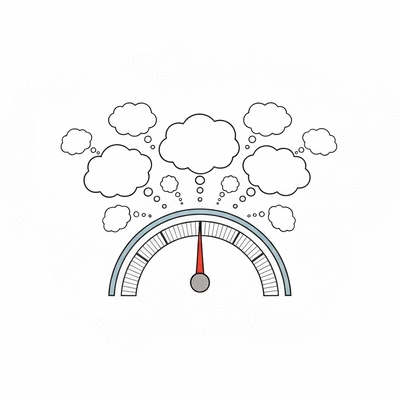
As we dive into the world of public opinion polls, it’s essential to start with a foundational understanding. Public opinion polls serve as a snapshot of what people think about various issues, candidates, or policies at a given time. Think of them like a temperature gauge for societal sentiment, helping us gauge the mood of the electorate and inform our political discussions.
Understanding these polls is crucial for anyone looking to engage meaningfully in civic matters. They provide insights that can bridge the gap between complex political processes and everyday citizens like you and me. Here at Next In Office, we believe that an informed electorate is the backbone of a healthy democracy! To learn more about how you can participate, check out our guide on registering to vote in your state.
Defining Public Opinion Polls: A Fundamental Overview
So, what exactly are public opinion polls? In their simplest form, they are surveys conducted to measure the preferences, attitudes, and beliefs of a specific population. These polls help researchers and analysts predict how people might vote or react to certain policies. But remember, not all polls are created equal!
- Survey Design: How the poll is structured can greatly impact the results.
- Target Audience: Polls should reflect a cross-section of the population to be credible.
- Timing: When a poll is conducted can also influence its outcomes.
Ultimately, a well-designed poll can provide valuable insights, while a poorly executed one might lead to misleading conclusions. That’s why it’s essential to dig deeper into how these polls are conducted.
How Polls Function: The Polling Methodology Explained
Public opinion polls operate through a defined methodology that ensures the results are as accurate and representative as possible. Typically, pollsters begin by identifying the target demographic they wish to survey. They then select a sample from this population, using various techniques to ensure that sample is representative.
- Sampling Methods: This includes random sampling, where every individual has an equal chance of being selected, and stratified sampling, which involves dividing the population into subgroups.
- Survey Administration: Polls can be conducted via phone, online, or face-to-face interviews, each method having its pros and cons.
- Data Analysis: Once the surveys are complete, the data must be analyzed to draw conclusions and report findings.
At Next In Office, we recognize the importance of these methodologies in shaping the narrative around elections and public policies. By understanding how polls function, we can better interpret the results and make informed choices in our civic engagement.
Engage with Us: Your Thoughts on Polls
Public opinion polls are an essential tool in understanding societal sentiments. But how do you feel about their reliability? Share your thoughts with us!
Summarizing Insights on Public Opinion Polls
As we've explored throughout this article, understanding public opinion polls is crucial for navigating the political landscape. From the basic definitions and methodologies to the complexities of sampling and bias, we've covered a lot of ground. It’s essential to recognize how these factors impact the reliability of polls and the way we interpret their results.
To recap, we’ve looked at key components such as how sampling methods can shape outcomes and the importance of evaluating poll wording to ensure we aren't led astray by bias. This comprehensive overview equips you with the knowledge to discern the quality and trustworthiness of polls. After all, informed participation in our democracy begins with understanding how public opinion is measured!

Encouraging Informed Engagement with Poll Results
Armed with this knowledge, I encourage you to engage critically with the polls you encounter. Whether it’s during an election season or when discussing social issues, being aware of polling methodology allows you to assess the credibility of the information at hand. Remember, not all polls are created equal! Understanding the nuances helps us have more meaningful discussions.
- Always check the sample size: Larger samples tend to reflect public opinion more accurately.
- Look into the methodology: Understanding how the poll was conducted can clarify its trustworthiness.
- Pay attention to the wording of questions: Leading questions can heavily skew results.
By applying these guidelines, you can engage more thoughtfully with public discourse, making your contributions to conversations about politics and society more impactful.
Taking Action: How to Stay Informed and Evaluate Polls Effectively
Resources for Continued Learning on Public Opinion Polls
Staying informed about public opinion polling is an ongoing process. I recommend utilizing various resources that provide insights into the latest polling data and analysis. Websites like Next In Office offer valuable guides on understanding political topics, including polls! Additionally, consider exploring academic databases and reputable news sources for deeper dives into polling methodologies. For example, our article on researching candidates before you vote provides additional strategies for informed decision-making.
Engage with Trusted Polls and Contribute to Informed Discussions
Engaging with trusted polls not only enhances your understanding but also allows you to contribute meaningfully to discussions within your community. Find opportunities to share insights from credible sources or even participate in discussions that challenge conventional wisdom!
Recommended Tools and Platforms: Utilizing Ipsos, Harris Poll, and More
To help you in this journey, here are some recommended tools and platforms that provide reliable polling data:
- Ipsos: Known for its comprehensive market research and public opinion polling.
- Harris Poll: Offers insights into consumer attitudes and societal trends.
- Pew Research Center: Provides data on social issues, demographics, and public opinions.
- Gallup: Renowned for its public opinion surveys and trusted methodology.
By utilizing these resources, you can enrich your understanding of current events and confidently engage in discussions about the factors shaping our society.
Frequently Asked Questions About Public Opinion Polls
- What is the purpose of public opinion polls?
- Public opinion polls serve as an essential guide to gauge societal sentiment, illustrating the views of the electorate on crucial issues, candidates, and policies. They help inform political discussions and empower civic engagement.
- What factors influence the reliability of a public opinion poll?
- Several factors impact a poll's reliability, including the survey design (how questions are structured), the target audience (ensuring it's representative), and the timing of the poll. The methodology, including sampling techniques and data analysis, is also crucial.
- How does sampling work in public opinion polls?
- Sampling involves selecting a subset of the population to survey. Common methods include random sampling, where every individual has an equal chance of selection, and stratified sampling, which divides the population into subgroups to ensure representation.
- Why is question wording important in polling?
- The wording of questions can significantly influence poll outcomes. Leading or biased questions can skew results and lead to misleading conclusions. Well-worded, neutral questions are vital for accurate and trustworthy data.
- What resources can I use to find reliable polling data?
- Reputable organizations like Ipsos, Harris Poll, Pew Research Center, and Gallup are known for their comprehensive market research and public opinion surveys. Utilizing these trusted platforms can provide reliable polling data and insights.
Recap of Key Points
Here is a quick recap of the important points discussed in the article:
- Public opinion polls serve as a vital gauge of societal sentiment, helping inform political discussions.
- The credibility of a poll depends on its design, target audience, and timing.
- Understanding polling methodologies, including sampling methods and data analysis, is essential for interpreting poll results accurately.
- Engaging critically with polls—checking sample sizes, methodologies, and question wording—enhances your ability to contribute meaningfully to discussions.
- Utilizing reputable resources like Ipsos, Harris Poll, and Pew Research Center can help you stay informed about public opinion polling.
Jordan McClure
Jordan McClure is a civic education writer and political researcher focused on helping readers better understand elections, candidates, government systems, and public policy. Through clear and balanced explanations, Jordan breaks down complex political topics into practical information that everyday readers can understand. His work emphasizes clarity, factual accuracy, and context over opinion, helping citizens stay informed and navigate political topics with confidence.