Voter Registration
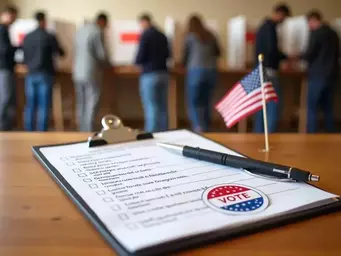
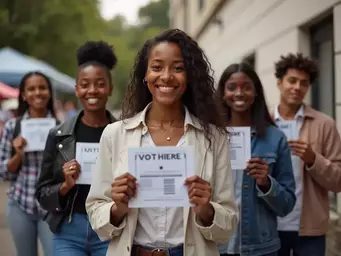
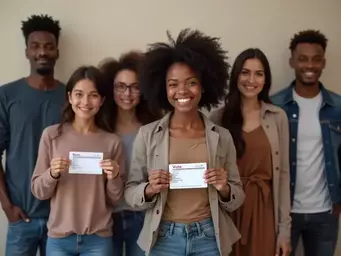
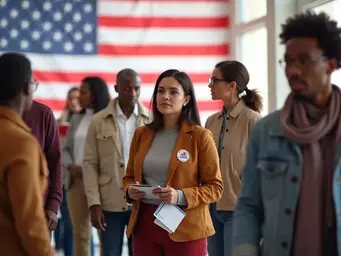
The initial step where citizens sign up to participate. Deadlines vary by state and are crucial for eligibility.
Check State Deadlines

What if we treated your voting journey like planning the ultimate road trip? Just as you wouldn’t venture out without a map in hand, navigating the election timeline is essential for making your voice heard in democracy. Let's explore what you need to know to prepare for the next journey ahead!
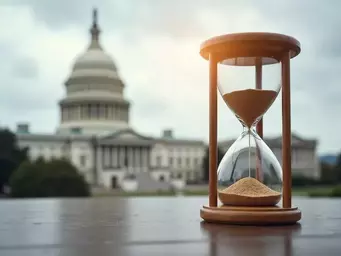
This visual outlines the crucial stages and important dates in the election process, from voter registration to the general election, ensuring you are informed and prepared to participate.
Understanding the election timeline is crucial for any voter. It serves as a roadmap, guiding us through the various stages of the electoral process. Just like you wouldn’t embark on a road trip without a map, knowing the timeline ensures you’re prepared to participate effectively in democracy.
A clear election timeline helps you plan your voting strategy. You’ll learn important deadlines for registration, primaries, and general elections. This knowledge not only empowers you but also ensures that your voice is heard when it matters most! For more detailed information on specific deadlines and how to register, explore our state-by-state guide to registering to vote.
An election timeline outlines the key dates and events leading up to an election. These can include voter registration deadlines, primary elections, and the general election itself. Understanding these timelines is essential because they determine when and how you can participate in the electoral process.
By familiarizing yourself with the election timeline, you become a more informed voter. This empowerment is part of Next In Office's mission to make political information accessible and practical for everyone!
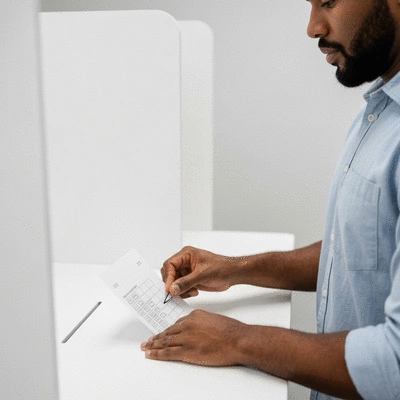
The election process typically unfolds in several phases: registration, primaries, and the general election. Each phase plays a crucial role in shaping the final outcome. Let’s break them down a bit further.
Understanding these phases not only clarifies the electoral process but also highlights your role as a voter. By engaging at each step, you help shape the future of your community and government.
Now that we have a grip on the timeline, let’s delve into the key dates and events that you should be aware of. Marking these on your calendar can make a significant difference in your voting experience!
From registration deadlines to polling days, each date carries its own importance. Here's a quick rundown of what to look out for:
Staying informed about these dates is vital. They directly affect your ability to cast your vote and voice your opinions on issues that matter to you.
Registration deadlines are the first step in the election process. If you want your voice to be heard, knowing when and how to register is essential! Each state has its own deadlines and requirements, which can sometimes be confusing.
Let’s clarify what you need to know:
Voter registration deadlines can vary significantly from state to state. Some states allow same-day registration, while others require you to register weeks in advance. Keeping track of these dates helps you avoid any last-minute surprises!
Registering to vote is easier than it may seem. You can typically register online, by mail, or in person, depending on your state’s options. Here’s how:
At Next In Office, we emphasize the importance of knowing your options to ensure that participating in the elections is as straightforward as possible!

Voter ID laws can significantly impact how you register and vote. Some states require a photo ID, which can make the registration process a little more complex. It's essential to understand these laws to avoid complications on election day.
Arming yourself with knowledge about voter ID laws not only prepares you for the registration process but also ensures that your participation in the election is smooth and successful.
How prepared do you feel for the upcoming elections? Share your thoughts below:
As we look ahead to the upcoming elections in 2026 and 2028, it’s essential to stay informed about key dates and events. These elections will shape our communities, and understanding the timeline will help you prepare to make your voice heard. From registration deadlines to primary elections, knowing what to expect can empower you to engage in the democratic process effectively.
Mark your calendars and get ready to participate! Here are some critical dates to keep an eye on:
Being proactive about your involvement is crucial. It’s not just about showing up on Election Day; it’s about understanding the entire process.
Staying engaged in local election changes is vital for every voter. With laws and regulations evolving, knowing where to find reliable information is key. Here are a few strategies to help you keep up:
By connecting with your local election office and participating in community discussions, you can gain valuable insights into how to navigate upcoming elections.
Understanding election laws and reforms can feel daunting, but there are plenty of resources available to assist you. Here’s a list of helpful guides and organizations:
These resources can help clarify any questions you may have about election processes, ensuring you’re well-prepared for future elections.
Your participation in elections is not just important; it's essential for a thriving democracy. Every vote counts, and your engagement can drive change in your community. Participating in elections isn't solely about casting a ballot; it's about being informed and involved.
Participating in elections strengthens our democratic system. When citizens like you engage, it ensures that diverse voices are represented. Here’s why your participation matters:
By taking an active role, you not only influence the future but also inspire others to participate.
There are numerous resources available to help you become a more informed voter. Here are a few places to start:
Utilizing these resources will help you better understand the election process and prepare for active participation. For more insights, you might also be interested in understanding how election results are counted and certified.
Making your voice heard requires more than just voting. Here are some ways to engage:
These actions not only amplify your voice but also contribute to a vibrant democracy.
Understanding how campaign finance works is crucial in today’s political landscape. Here are key points to consider:
By educating yourself on these issues, you empower yourself to make informed decisions when voting.
Here is a quick recap of the important points discussed in the article:

Jordan McClure is a civic education writer and political researcher focused on helping readers better understand elections, candidates, government systems, and public policy. Through clear and balanced explanations, Jordan breaks down complex political topics into practical information that everyday readers can understand. His work emphasizes clarity, factual accuracy, and context over opinion, helping citizens stay informed and navigate political topics with confidence.