Established in 1789
The foundational element of the U.S. government, providing over two centuries of legal precedent.
Understanding the U.S. Supreme Court is fundamental for every citizen who wishes to engage meaningfully in our democracy. Its decisions impact more than just laws—they shape the very rights and freedoms we cherish. How well do you know the role it plays in your life?
The visual below illustrates the fundamental aspects of the U.S. Supreme Court's role, highlighting its jurisdictional scope and the impactful power of judicial review.
The foundational element of the U.S. government, providing over two centuries of legal precedent.
Including the Chief Justice, who guide court decisions and interpret federal laws.
Decisions are binding on all lower courts, ensuring consistent legal interpretation.
Hears specific cases directly, e.g., involving states or foreign diplomats.
Reviews lower court decisions via writ of certiorari, ensuring consistency.
Power to invalidate unconstitutional laws or actions, established by Marbury v. Madison.
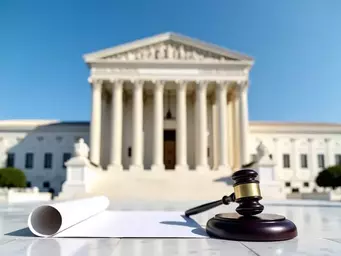
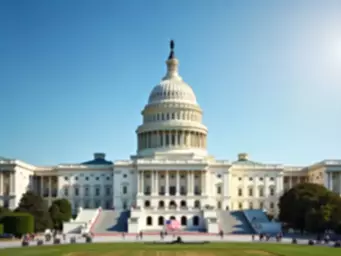
The U.S. Supreme Court stands as the highest court in the land, an essential pillar of our federal judiciary. Established in 1789, its primary purpose is to interpret the Constitution and ensure justice is served. As political researcher Jordan McClure, I find that understanding the Supreme Court's role is vital for every citizen looking to navigate our legal system effectively!
Its significance cannot be overstated; the Supreme Court resolves pivotal issues that affect our daily lives and the very fabric of our democracy. From civil rights to healthcare, the decisions made here shape not just laws, but also the course of our society. For a deeper understanding of government structures, consider exploring the branches of government and their roles.
The Supreme Court is made up of nine Justices, including one Chief Justice, who are nominated by the President and confirmed by the Senate. This court is primarily responsible for interpreting federal laws and resolving disputes that arise from different interpretations of the Constitution. Think of it as the ultimate arbiter in legal disagreements!
As we dive deeper, you’ll see how its unique position allows it to influence not just laws, but also the very rights and freedoms we cherish. Understanding this court is key to engaging meaningfully in our democracy!
The powers of the Supreme Court extend far beyond merely deciding cases. It has the authority to interpret the Constitution, which includes the power of judicial review. This means the Court can declare laws or actions by the government unconstitutional, effectively nullifying them. Imagine having a final say in what laws are permissible!
Understanding these powers highlights not just the Court's function, but also its impact on your rights as a citizen. It’s essential to appreciate how these decisions resonate throughout society, often shaping public policy and social norms. This interplay between legal decisions and policy can be further seen in discussions around crafting effective policy solutions.
Original jurisdiction refers to the Supreme Court’s ability to hear certain cases directly, without them first passing through lower courts. This typically includes cases involving ambassadors, public ministers, or where a state is a party. It’s like skipping the line at a concert—you get in directly!
By understanding these categories, readers can better grasp the types of cases that may shape national policies and legal precedents!
Appellate jurisdiction allows the Supreme Court to review decisions made by lower courts. Most cases heard by the Supreme Court fall under this category, where they examine if lower courts made legal errors. This process ensures that justice is upheld, and the law is consistently interpreted.
Typically, cases are brought before the Supreme Court through a writ of certiorari, which is a request to review a lower court's decision. It's like saying, "Hey, can you take a look at this?"
Judicial review is the Supreme Court’s most potent power, allowing it to invalidate laws and actions from Congress or the President if they conflict with the Constitution. This was established in the landmark case, Marbury v. Madison, which solidified the Court's authority. Imagine having a tool that ensures checks on power—this is what judicial review provides!
Its implications are vast; judicial review plays a crucial role in maintaining a balance of power among the branches of government. This means that the rights of citizens can be defended against government overreach, fostering a healthier democracy.
Understanding the philosophies of judicial activism and judicial restraint is vital for grasping how the Supreme Court interprets the law. Judicial activism advocates for the Court's role in actively shaping laws and policies, often seen in cases that expand individual rights. In contrast, judicial restraint emphasizes a more limited role, respecting the will of the legislative and executive branches unless there's a clear constitutional violation. This balance is critical for the functioning of our government, much like the broader power balance in government systems.
Approximately 80% of Americans are unaware of how the Supreme Court's decisions directly affect their daily lives. From voting rights to healthcare access, the implications of the Court's rulings extend far beyond the courtroom.
The primary role of the U.S. Supreme Court is to interpret the Constitution and federal laws, ensuring justice is served and decisions are consistent across the nation. It stands as the highest court in the land.
The Supreme Court consists of nine Justices, including one Chief Justice. They are nominated by the President and confirmed by the Senate.
Judicial review is the Supreme Court's power to declare laws or actions by the government unconstitutional, thereby nullifying them. This power was established in the Marbury v. Madison case.
Original jurisdiction allows the Supreme Court to hear certain cases directly (e.g., involving states or foreign diplomats), without them first passing through lower courts. Appellate jurisdiction allows the Court to review decisions made by lower courts to ensure legal consistency and uphold justice.
Supreme Court decisions profoundly impact citizens by shaping laws, protecting individual rights and liberties, influencing public policy, and establishing legal precedents that affect daily life, from civil rights to healthcare access.
The U.S. Supreme Court holds a vital role within the American legal system, acting as the highest court in the land. Its primary functions include interpreting the Constitution, reviewing the constitutionality of laws, and resolving disputes that arise between states and federal entities. These powers ensure that the Court not only serves as a final arbiter of legal matters but also acts as a key player in maintaining the balance of power among the branches of government.
To sum it up, the Supreme Court's powers can be categorized as follows:
By exercising these powers, the Supreme Court safeguards individual rights and reinforces the rule of law, making it an indispensable institution in our democracy. Understanding these dynamics is crucial for anyone looking to participate meaningfully in civic discussions about governance.
Now that we’ve explored the Supreme Court's functions and powers, it's your turn to take action! I encourage you to dive deeper into this fascinating area of our government. There are numerous resources available, including educational materials on the Next In Office platform, that can enhance your understanding of upcoming cases and judicial proceedings.
Consider also how the Supreme Court's decisions directly impact your life and your community. Engaging in discussions about these rulings can make a significant difference in public awareness and understanding of our legal system. Remember, an informed citizen is an empowered citizen!
Here is a quick recap of the important points discussed in the article:

Jordan McClure is a civic education writer and political researcher focused on helping readers better understand elections, candidates, government systems, and public policy. Through clear and balanced explanations, Jordan breaks down complex political topics into practical information that everyday readers can understand. His work emphasizes clarity, factual accuracy, and context over opinion, helping citizens stay informed and navigate political topics with confidence.