Defining Executive Orders
- ✓
Authority: Grounded in President's constitutional powers.
- ✓
Scope: Wide range from national security to administration.
- ✓
Impact: Significant on public policy and governance.
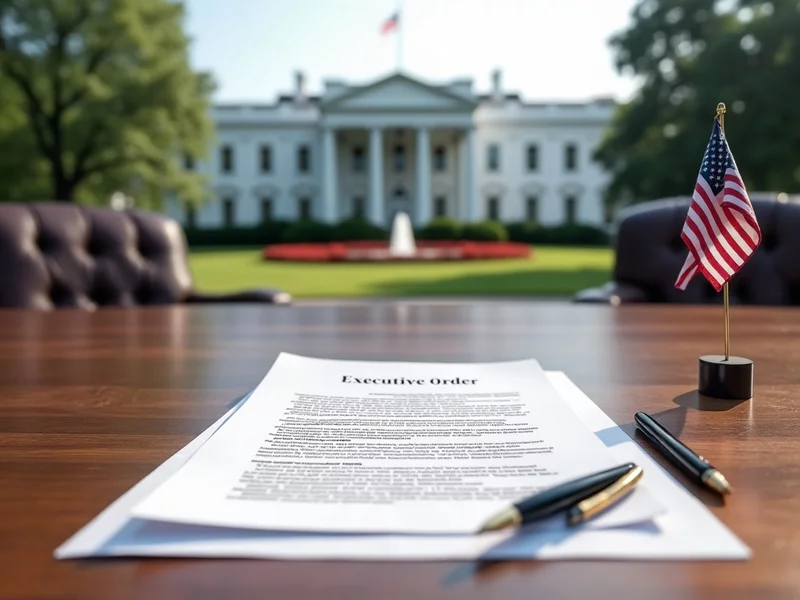
Every decision made in government can have a ripple effect on our lives. Understanding executive orders is key to grasping the dynamics of U.S. governance. What can these powerful tools tell us about the relationship between the President and public policy?
Executive orders are powerful presidential directives that shape federal policy. The following visual breaks down their core aspects, strategic roles, and key impacts on governance.
Authority: Grounded in President's constitutional powers.
Scope: Wide range from national security to administration.
Impact: Significant on public policy and governance.
Policy Implementation: Guide federal agencies on laws.
Emergency Response: Allow quick action in crises.
Administrative Efficiency: Streamline federal bureaucracy.
Transition Tools: Overturn past policies swiftly.
Strategic Influence: Rally support for key initiatives.
Political Significance: Reflect broader political trends.
Direct Implementation: Changes without Congressional approval.
Policy Shifts: Rapid changes based on President’s priorities.
Resource Allocation: Direct federal resource distribution.
Civic Dialogue: Enables meaningful policy discussions.
Accountability: Helps hold elected officials responsible.
Participation: Informed engagement in political processes.
Executive Orders: All orders publicly accessible.
Proposed Rules: Lists rules for public commentary.
Announcements: Information from federal agencies.
Understanding executive orders is essential for anyone looking to grasp the nuances of governance in the United States. These powerful tools allow the President to manage the operations of the federal government effectively. But what exactly are they, and why do they matter?
At their core, executive orders are directives issued by the President that manage the federal government. They carry the force of law but do not require Congressional approval, making them a vital aspect of presidential power. By examining their purpose, we can better appreciate how they shape policies and influence our daily lives.
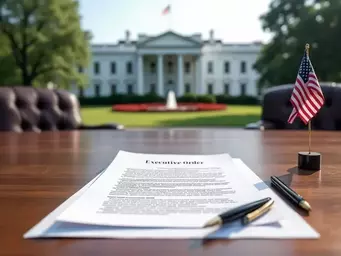
So, what defines an executive order? In simple terms, it's a written instruction from the President that directs federal agencies and officials in their execution of laws and policies. You can think of it as a way for the President to take immediate action on issues without waiting for legislative procedures. For more insights into how laws are made, explore inside the legislative process.
Understanding executive orders is crucial, as they can swiftly change the course of federal policy. This flexibility allows the President to respond to urgent matters without the lengthy legislative process.
Executive orders play a crucial role in how the United States government functions. They serve as a bridge between the President's vision and the execution of laws by federal agencies. Through these orders, a President can prioritize specific policies and set the tone for their administration.
By understanding the role of executive orders, we can better appreciate how they affect not just governance but our everyday lives as well.
The relationship between the President and executive orders is foundational to understanding how U.S. governance works. Every President since George Washington has utilized this authority, showcasing its importance in shaping policy.
When a new President takes office, they often issue executive orders to signal their priorities. This practice allows them to set an agenda quickly and respond to ongoing issues. It's like hitting the reset button on certain policies while establishing new directions for the administration. For a deeper understanding of presidential duties, read about presidential duties in daily life.
As we delve deeper into the functions and implications of executive orders, it becomes clear that they are not just formalities; they are pivotal in guiding the direction of the nation's policies and addressing pressing issues effectively.
Did you know? Staying updated on executive orders can empower you to engage more effectively in civic discussions and hold your elected officials accountable. Consider setting up alerts for new executive orders or regularly checking the Federal Register to stay informed about changes that could impact your community.
A1: An executive order is a directive issued by the President of the United States that manages operations of the federal government. It carries the force of law without needing Congressional approval.
A2: No, executive orders do not require Congressional approval. They are issued directly by the President based on their constitutional authority.
A3: Executive orders serve several purposes, including implementing laws, guiding federal agencies, responding to emergencies, and streamlining administrative processes. They allow the President to take swift action on policy matters.
A4: Executive orders can significantly impact public policy by directly implementing changes, enabling rapid policy shifts based on presidential priorities, and directing federal resource allocation across various sectors.
A5: Citizens can stay informed about executive orders by regularly checking the Federal Register, which is the official journal publishing all executive orders, proposed rules, and agency announcements.
Understanding executive orders is crucial for grasping how public policy is shaped in the United States. These orders serve as powerful tools that allow the president to direct the operations of the federal government. By issuing executive orders, presidents can influence various aspects of governance, from healthcare to environmental regulations. This means that as citizens, we need to stay informed and understand the implications of these executive actions on our daily lives.

Moreover, executive orders can swiftly change the landscape of policy without the lengthy legislative process. This efficiency can be beneficial, but it also raises important questions about accountability and transparency. As Jordan McClure at Next In Office emphasizes, having clear information about these orders helps us navigate the complex political environment and make informed decisions.
Executive orders can significantly affect public policy in several ways. Here are some key impacts:
These impacts highlight why it’s essential for citizens to understand not just the orders themselves, but also the context in which they are issued. The implications of executive orders can resonate throughout our communities, affecting everything from local governance to national policies.
Staying informed about executive orders is more than just following the news; it’s about understanding how our government operates. Knowledge of these orders empowers us as citizens to:
As I often encourage in my writings, informed participation begins with clear information. By understanding executive orders, we can better navigate and influence the political landscape.
The Federal Register plays a vital role in promoting transparency regarding executive orders. It serves as the official journal of the federal government and provides the public with access to:
By regularly checking the Federal Register, you can stay up-to-date on executive actions that may impact your community. This transparency is essential for fostering an informed citizenry and ensuring that our government remains accountable to the people. As part of our mission at Next In Office, we strive to make this information more accessible and understandable for everyone. For broader insights into how government leaders make decisions, consider reading about how government leaders make decisions.
Here is a quick recap of the important points discussed in the article:

Jordan McClure is a civic education writer and political researcher focused on helping readers better understand elections, candidates, government systems, and public policy. Through clear and balanced explanations, Jordan breaks down complex political topics into practical information that everyday readers can understand. His work emphasizes clarity, factual accuracy, and context over opinion, helping citizens stay informed and navigate political topics with confidence.