STAGE 1
Primaries & Caucuses
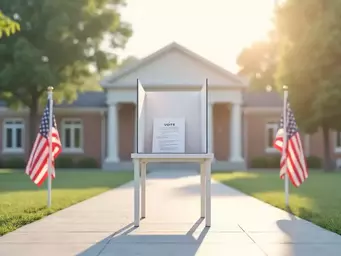
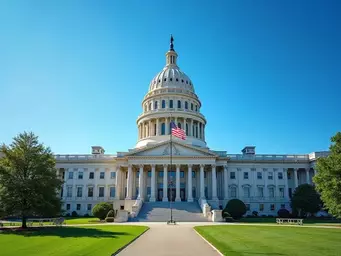
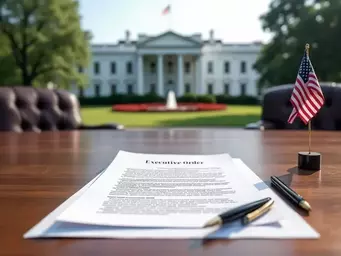
Parties select delegates or directly choose candidates, testing initial voter preferences.
Candidate Selection

As the landscape of democracy evolves, understanding the intricacies of presidential elections becomes more crucial than ever. How do these elections shape the future of our nation? Let's dive in and unveil the essential steps and components that empower your voice.
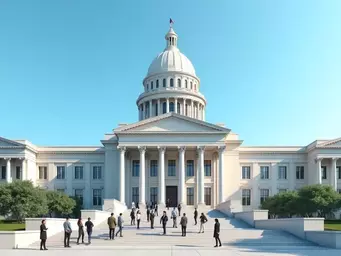
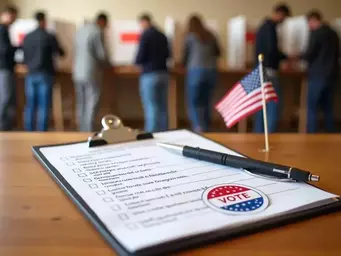
This visual outlines the sequential stages of the U.S. presidential election, from primary candidate selection to the final inauguration, highlighting the Electoral College's role. For a broader perspective on the various stages involved, understanding US election processes is highly recommended.
Parties select delegates or directly choose candidates, testing initial voter preferences.
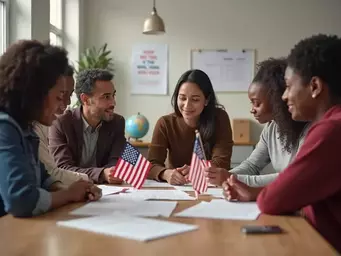
Parties formally nominate their presidential and vice-presidential candidates and set platforms.
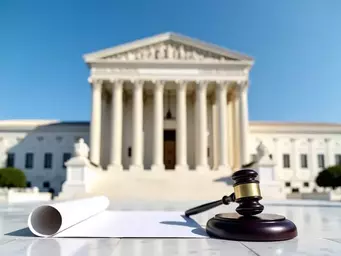
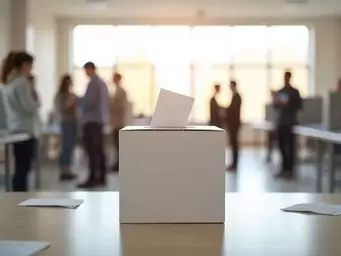
Citizens vote for slates of electors pledged to candidates, not directly for the president.
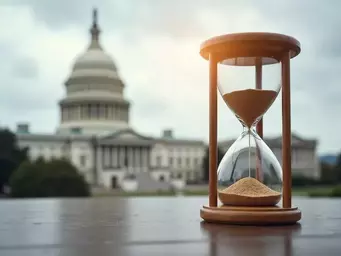
Electors cast their votes to officially determine the President; 270 votes needed to win.
In the United States, a presidential election is a crucial political event where citizens have the opportunity to select their president. This process typically occurs every four years and involves various stages, from primaries and caucuses to the general election. The significance of these elections is profound, as they ultimately determine the individual who will lead the country and influence its direction for years to come.
When we think about presidential elections, it's essential to recognize that they’re not just about choosing a candidate. They reflect the collective voice of the people, allowing us to express our hopes, concerns, and priorities through our votes. At Next In Office, we strive to simplify this often complex process, making it more accessible and understandable for everyone.
A presidential election is a formal process where registered voters cast their ballots to elect the president and vice president of the United States. This process is governed by both federal and state laws and includes several critical components, such as:
Understanding these components helps demystify the electoral process, making it clearer how we arrive at the final decision. Each step of the way, citizens have the chance to engage with the political system, ensuring their voices are heard.
Presidential elections play an integral role in our democracy. They empower citizens to influence government policy and leadership. The outcomes of these elections can lead to significant changes in various areas, including healthcare, education, and foreign policy. It's during these moments that we exercise our democratic rights and hold candidates accountable for their promises.
Moreover, the very act of participating in elections fosters a sense of community and shared responsibility among citizens. Each vote counts, and when we come together to shape our future, we strengthen our democratic institutions. At Next In Office, we're passionate about guiding you through this process so that you can make informed choices that reflect your values and priorities.
The journey of a presidential election is thorough and multifaceted. Let’s break down the election cycle step by step:
This process, spanning several months, allows candidates to communicate their visions and engage with voters. Understanding each phase helps demystify how we end up with our elected leaders and emphasizes the importance of participating in each step.
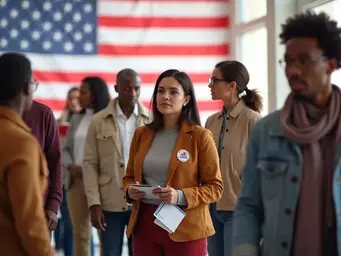
Primaries and caucuses are essential in shaping the election landscape. They serve as the initial testing ground for candidates, allowing voters to express their preferences before the national convention. In most states, these events help determine which candidates will have the support to compete in the general election. For more on this critical first stage, explore understanding primary elections.
By participating in primaries and caucuses, you play an early role in influencing the candidates who will ultimately appear on the ballot. This engagement is critical in ensuring that the choices reflect the values and priorities of the electorate.
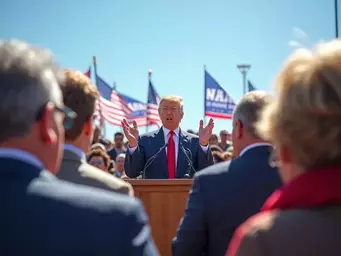
The national conventions are where parties come together to formally nominate their candidates for president and vice president. These gatherings not only unite party members but also serve to energize the base, showcasing the party’s platform and goals for the upcoming election.
During these conventions, delegates cast their votes, and the selected candidates give speeches to rally support. This moment is vital in building visibility and excitement around their campaigns, creating a foundation for the general election ahead.
The Electoral College is a unique feature of the U.S. presidential election process. Rather than directly electing the president by popular vote, citizens vote for a slate of electors pledged to their chosen candidate. These electors then cast their votes to officially determine the president.
This system was established in the Constitution and serves to balance the influence of populous states with less populated ones. Understanding how the Electoral College functions is essential for grasping the nuances of our electoral process.
Electoral votes are allocated to each state based on its population and congressional representation. Most states use a winner-takes-all system, where the candidate receiving the majority of votes gets all the state’s electoral votes. However, Maine and Nebraska use a proportional allocation method, which can lead to a different distribution of electoral votes.
This system means that candidates must focus on garnering broad support across multiple states rather than just focusing on populous urban areas.
To win the presidency, a candidate must secure 270 electoral votes, which is a majority of the total 538. Reaching this threshold is crucial, as it determines the outcome of the election and who will take office.
Understanding the significance of this number emphasizes the importance of strategic campaigning and voter outreach across the nation. It also underscores the impact of every single vote, making it vital for citizens to engage in the electoral process.
Voter turnout is a critical factor in shaping the outcome of presidential elections. Various elements influence turnout, including demographics, political engagement, and voter registration efforts. Recognizing these trends can help us understand how different groups participate in the electoral process.
Historically, higher turnout rates are associated with competitive elections and effective voter mobilization campaigns. At Next In Office, we’re dedicated to providing insights that empower you to become more informed and engaged in the political process.
In the rare event that no candidate secures the necessary electoral votes, a contingent election occurs. In this scenario, the House of Representatives chooses the president, while the Senate selects the vice president. This process highlights the complexity of our electoral system and the importance of every vote.
Understanding how contingent elections work can help clarify the stakes involved in each presidential election and the potential for unexpected outcomes.
What aspect of the presidential election process do you find most intriguing or confusing? Share your thoughts below:
The main stages include primaries and caucuses, national conventions, the general election, and the Electoral College vote, culminating in the inauguration of the President.
The Electoral College is crucial because it formally elects the President, balancing the influence of populous states with less populated ones, rather than relying solely on the national popular vote.
A candidate must secure 270 out of 538 electoral votes to win the presidency.
If no candidate secures the necessary 270 electoral votes, a contingent election occurs. The House of Representatives chooses the President, and the Senate selects the Vice President.
You can participate by registering to vote, staying informed about candidates and policies, voting in primaries and the general election, and encouraging others to engage.
As we’ve explored, the U.S. presidential election process is a complex yet fascinating journey. It encompasses everything from primaries to the inauguration, highlighting the democratic ideals that shape our nation. Each step—from how candidates emerge to the pivotal role of the Electoral College—plays a crucial part in determining who will lead the country.
Understanding this process is vital for every citizen. It not only empowers your vote but also encourages informed discussions within your community. And remember, every election has the potential to influence our government and, ultimately, our lives!
Your voice matters! Engaging in the electoral process is not just a right; it’s a responsibility. Think of it this way: when you vote, you are adding your opinion to the collective will of the people. Each vote contributes to the larger conversation about our country’s future.
By actively participating, you help ensure that the electoral system reflects the needs and desires of the community. Remember, your vote is your voice; make it count!

In today’s digital age, social media has revolutionized how campaigns are run and how voters engage with candidates. Platforms like Twitter, Facebook, and Instagram allow candidates to connect with voters in real-time, share their messages, and respond to current events.
However, it’s essential to navigate this landscape critically. Misinformation can spread just as quickly as authentic messages, so always verify the sources before forming opinions based on social media content. For further guidance on being an informed voter, consider researching candidates before you vote.
For those seeking a deeper understanding of presidential elections, there are numerous resources available. Here are a few recommended sources to enhance your knowledge:
These links provide valuable insights into the electoral process, candidate information, and how to be an active participant in democracy. For important dates and deadlines, you may also want to check out key dates for the 2026 US election.
As a citizen, your role in democracy extends beyond just voting. Staying informed about the political landscape is crucial. Engage with your local communities, attend town hall meetings, and participate in discussions about the future of your neighborhood and country. Being an informed voter means understanding not just who you’re voting for, but also why it matters.
The more informed we are, the better we can contribute to meaningful conversations and decisions that impact our lives and communities. Together, let’s embrace our roles in shaping the future of our democracy through active participation and engagement!
Here is a quick recap of the important points discussed in the article:

Jordan McClure is a civic education writer and political researcher focused on helping readers better understand elections, candidates, government systems, and public policy. Through clear and balanced explanations, Jordan breaks down complex political topics into practical information that everyday readers can understand. His work emphasizes clarity, factual accuracy, and context over opinion, helping citizens stay informed and navigate political topics with confidence.