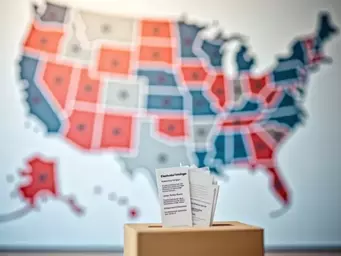
Economic Concerns: Public Priority
65%
Americans cite economy as top priority

What if your understanding of political issues could transform your community? As a citizen, the choices you make at the polls and in daily life have far-reaching effects. By grasping the significance of these topics, you're not just participating—you’re shaping the future.
Understanding major political issues is crucial for informed civic engagement. The data below highlights public priorities and policy approaches across key areas. For a deeper dive into how policies are shaped, consider crafting effective policy solutions.
Increasingly viewed as a significant concern, especially among younger voters. This trend highlights a shift in public worry from general economic stability to specific financial burdens.
More than half of respondents express dissatisfaction with current economic policies. This reflects a desire for change and a need for policies that address everyday financial struggles.
Advocates argue raising minimum wage can alleviate poverty.
Adjustments in tax policy can redistribute wealth more equitably.
Some propose direct financial support for all citizens.
Political issues are the backbone of our society. They shape our day-to-day lives, influencing everything from the goods we buy to the laws we follow. Understanding these issues is crucial for every citizen. It empowers us to make informed decisions and participate actively in our democracy!
As we navigate through complex topics like economic policy, immigration, and climate change, recognizing the implications of these issues helps us advocate for ourselves and our communities. So, why do political issues matter? The answer lies in their direct impact on our lives and our future!
Political issues serve as the framework for our governmental systems and societal structures. They dictate how resources are allocated and how laws are enforced. In a time where information is constantly flowing, staying aware of these issues is more important than ever. To learn more about how government leaders make these decisions, read about how government leaders make decisions.
Being informed about political matters helps us advocate for policies that reflect our values and needs. It gives us a voice in shaping the future of our communities and our country!
To navigate the political landscape effectively, we must start with some definitions. Major political issues can vary widely, but they typically include topics like economic policy, healthcare, immigration, and environmental regulations. Each of these issues carries its own set of implications and complexities.
By understanding these key terms, we can better engage with discussions surrounding them. This knowledge not only prepares us for informed voting but also enriches our conversations with friends and family!
Economic issues are at the forefront of many voters' minds today. Concerns about the cost of living influence public opinion and priorities. When voters feel the pinch in their wallets, political candidates often shift their platforms to address these anxieties.
Think about it: the rising cost of groceries, housing, and healthcare can sway an entire election. That's why understanding economic policies and their implications is essential for every citizen!
Recent polling data sheds light on how economic issues are perceived across different demographics. Organizations like Gallup and Pew Research provide valuable insights into public concerns:
These insights can help us understand the broader trends influencing voter behavior and candidate platforms during elections. When we pay attention to the data, we can make more informed decisions about whom to support!
Policymakers are actively seeking solutions to tackle economic inequality, which has become a pressing issue. Various policies are being proposed to level the playing field and ensure fair opportunities for all.
By exploring these policy attempts, we can better understand the potential impacts on our communities. Each proposal comes with its own set of arguments and consequences, making it crucial for us to engage thoughtfully in these discussions!
Stay engaged with political issues by following reliable news sources and participating in community discussions. Knowledge is your greatest tool—use it to ask questions, challenge assumptions, and push for accountability in your local and national leaders!
The article primarily discusses economic policy (including cost of living and inequality), healthcare, and immigration, highlighting their significant impact on daily life and voter priorities.
Economic concerns, such as the rising cost of living, housing, and healthcare, heavily influence public opinion and voter priorities. When voters feel financially strained, candidates often adjust their platforms to address these anxieties, which can sway election outcomes.
Proposed policies to address economic inequality include minimum wage increases (to alleviate poverty), tax reforms (to redistribute wealth more equitably), and universal basic income (direct financial support for all citizens).
Understanding political issues is crucial for informed civic engagement. It empowers citizens to make informed decisions, participate actively in democracy, voice their opinions, advocate for change, and hold elected officials accountable for their actions.
Future political trends are expected to include an increased focus on social justice and equity in policy-making, growing public demand for transparency and accountability in government, and stronger advocacy for environmental policies and sustainable practices.
As we navigate the complexity of our world, understanding key political issues is more than just an academic exercise; it's about being an informed citizen. By grasping how these issues shape our daily lives, we empower ourselves to engage in meaningful conversations and decisions. Issues like economic policy, immigration, and climate change don't just exist on the news—they impact our community, our families, and our futures.
When we recognize the connections between these political matters and our personal experiences, it becomes clear that our voices matter. Informed citizenship means understanding these issues deeply, allowing us to advocate for our communities effectively.
Consider how the political landscape influences aspects of your daily life. For instance, rising costs of living can alter your budget, while immigration policies might affect your friends, neighbors, or family. Engaging with these matters not only enhances your understanding but also fosters a sense of responsibility toward your community. Here are some ways these issues connect to everyday experiences:
By becoming aware of these connections, you can participate more actively in discussions that matter, ensuring your voice is heard. Remember, every vote counts, and understanding how these issues impact your life is the first step toward making a difference.
Looking ahead, we may expect political issues to evolve in response to societal changes and technological advancements. For instance, as climate change becomes more pressing, you might see stronger advocacy for sustainable practices and renewable energy policies. Similarly, economic concerns could shift as automation and global markets redefine job landscapes.
In the coming years, expect these trends to shape political discussions significantly:
As these issues develop, staying informed will be crucial. By understanding the trajectory of these topics, you can better prepare to engage with them and advocate for changes that reflect your values.
Engagement in politics doesn't have to be daunting. There are many straightforward ways to make your voice heard and address political issues that matter to you. Here are some strategies that can help you step into the political arena:
By taking these steps, you not only amplify your voice but also encourage others to join in. Remember, every action counts, and collectively, we can shape our political landscape. For guidance on participating in elections, explore registering to vote: state guide.
To stay informed and actively engage in political discussions, here are some credible resources you can explore:
These resources provide valuable information on voting rights, civic engagement, and political education. By utilizing them, you can deepen your understanding and actively participate in the issues that shape our communities.
Here is a quick recap of the important points discussed in the article:

Jordan McClure is a civic education writer and political researcher focused on helping readers better understand elections, candidates, government systems, and public policy. Through clear and balanced explanations, Jordan breaks down complex political topics into practical information that everyday readers can understand. His work emphasizes clarity, factual accuracy, and context over opinion, helping citizens stay informed and navigate political topics with confidence.