Early Voting: What You Need

As we delve into the complexities of early voting, consider this: states that offer early voting often see increased voter turnout. Understanding this process can empower you to make your voice heard in elections.
What You Will Learn
- Early voting enhances accessibility, allowing individuals to vote at their convenience without long lines.
- The early voting process involves checking registration, finding locations, and gathering necessary documentation.
- Being aware of key early voting dates can prevent missed opportunities to participate in elections.
- Civic engagement organizations play a crucial role in educating voters about their rights and voting options.
- Proactive preparation for early voting, such as confirming registration and learning local rules, can improve your voting experience.
Understanding Early Voting: A Visual Guide
Early voting simplifies the electoral process, making participation easier and more accessible for all citizens. This visual guide breaks down how early voting works, its benefits, and key steps to ensure your voice is heard.
1
Define Early Voting: What You Need to Know
Allows voters to cast ballots before Election Day at designated locations, increasing accessibility and reducing crowds.
Benefits of Early Voting
- ✓ Accessibility
- ✓ Reduced Crowds
- ✓ Increased Participation
How Early Voting Works: Step-by-Step
- 1. Check Registration
- 2. Find Location
- 3. Gather Documentation
- 4. Cast Your Ballot
"Every vote COUNTS, and planning ahead ensures your voice is heard!"
Make sure to check your state's early voting dates and plan your visit.
Understanding Early Voting: A Comprehensive Overview
Early voting is a crucial component of the electoral process that allows voters to cast their ballots before Election Day. This flexibility ensures that more citizens can participate in elections, making it easier to fit voting into busy schedules. In this section, we'll break down what early voting is, how it works, and why it's significant for every eligible voter.

Essentially, early voting provides opportunities for voters to avoid long lines and potential scheduling conflicts. By understanding early voting, you can ensure your voice is heard without the stress that often accompanies traditional voting days! For more insights into the broader electoral landscape, consider reading our guide on understanding US election processes.
Defining Early Voting: What You Need to Know
So, what exactly is early voting? It refers to the period leading up to Election Day during which registered voters can cast their ballots in person at designated locations. This practice is designed to make voting more accessible and has been adopted by many states across the U.S. It’s an opportunity for you to participate in democracy on your own terms.
- Accessibility: Early voting allows individuals with time constraints to vote at their convenience.
- Reduced Crowds: By spreading out voting over days or weeks, early voting can help limit long lines typically seen on Election Day.
- Increased Participation: More voters can engage in the electoral process, thus enhancing civic involvement.
Understanding the definition and benefits of early voting is essential to making an informed decision about how and when to cast your ballot. With this knowledge, you can confidently plan your voting strategy!
How Early Voting Works: A Step-by-Step Guide
The process of early voting is straightforward, but it does require a bit of planning. Here's a quick step-by-step guide to help you navigate early voting successfully:
- Check Registration: Ensure you are a registered voter. You can do this through your state’s election office website. If you need assistance with this, our guide on registering to vote state guide can provide helpful insights.
- Find Your Early Voting Location: Locate where early voting is offered in your area. This varies by state, so look for dedicated resources.
- Gather Necessary Documentation: Some states require identification to vote early. Make sure you have the required documents ready.
- Vote: Go to your designated early voting site during the early voting period and cast your ballot!
By following these steps, you can simplify the early voting experience. Remember, knowing what to expect can make your voting day stress-free and enjoyable!
Early Voting Period: Key Dates You Should Remember
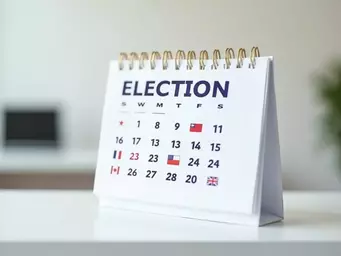
Every election cycle has specific early voting dates that vary by state. It’s important to stay informed about these key deadlines to ensure you don't miss your chance to vote. Typically, early voting begins a few weeks before Election Day.
- Check your state’s early voting start and end dates.
- Note any special hours that may apply, especially for weekends.
- Mark these dates on your calendar to remind yourself!
Remember, being aware of the early voting period is just as crucial as knowing when Election Day is. Planning ahead can make all the difference in ensuring your voice is heard!
Did You Know?
According to the U.S. Election Assistance Commission, states that offer early voting see an increase in voter turnout by as much as 10-15%. This highlights the impact of making voting more accessible and convenient for everyone.
Final Thoughts on Early Voting: Making Your Voice Heard
Early voting is more than just a convenience; it’s a crucial part of our democratic process. By allowing voters to cast their ballots ahead of Election Day, we can enhance participation rates and ensure that every voice is heard. The more accessible we make voting, the more likely individuals are to engage in the electoral process. So, why does early voting matter? Let’s explore the impact it has on voter turnout and engagement!

Why Early Voting Matters: The Impact on Voter Turnout and Engagement
One of the most significant advantages of early voting is that it fosters higher voter turnout. When people have the flexibility to vote at their convenience, they’re more likely to participate. Here are some of the key benefits of early voting:
- Flexibility: Voters can select a time that works for them, avoiding long lines and potential scheduling conflicts on Election Day.
- Increased Participation: Studies show that states with early voting options tend to have higher overall voter turnout.
- Reduced Stress: Knowing you’ve already cast your vote can alleviate the pressure often felt as Election Day approaches.
By providing more opportunities for people to vote, we can create a more engaged and informed electorate. This not only benefits individual voters but strengthens our democratic system as a whole!
Understanding the Role of Civic Engagement in the Early Voting Process
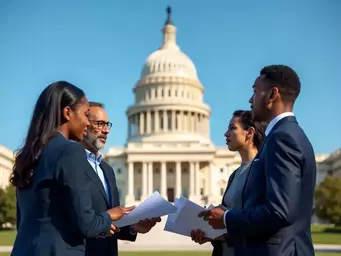
Civic engagement is essential for encouraging participation in early voting. Organizations dedicated to educating voters play a vital role in this process. They help bridge the gap between complex election procedures and the communities they serve. Here’s how civic organizations contribute:
- Education: They offer resources to help voters understand their rights and the voting process, especially regarding early voting.
- Outreach: Many groups work to engage underrepresented populations, ensuring everyone knows their voting options.
- Support: Providing assistance with registration and transportation to polling locations can make a significant difference.
By partnering with these organizations, we empower more citizens to make their voices heard in the electoral process. At Next In Office, we believe that informed participation starts with clear information! For further reading on important election timelines, check out our article on understanding the election timeline.
Frequently Asked Questions About Early Voting
- What is early voting?
- Early voting allows registered voters to cast their ballots in person at designated locations before the official Election Day. This increases accessibility and helps reduce crowds on Election Day itself.
- What are the main benefits of early voting?
- The primary benefits include increased accessibility for voters with busy schedules, reduced lines and crowds on Election Day, and a general increase in voter participation rates.
- How do I know if I'm eligible for early voting?
- If you are a registered voter in a state that offers early voting, you are generally eligible. Always check your state's specific election office website for detailed eligibility requirements.
- What steps should I take to vote early?
- The steps include checking your voter registration status, finding your local early voting locations, gathering any required identification or documentation, and then casting your ballot at the designated site during the early voting period.
- Where can I find early voting dates and locations?
- Early voting dates and locations vary by state and local jurisdiction. You can typically find this information on your state's election office website, often through a dedicated portal for voters.
- Does early voting really increase voter turnout?
- Yes, studies, such as those cited by the U.S. Election Assistance Commission, indicate that states offering early voting often experience a notable increase in voter turnout, sometimes by as much as 10-15%.
- What role do civic engagement organizations play in early voting?
- Civic engagement organizations are crucial for educating voters about their rights, early voting options, and local procedures. They also conduct outreach to underrepresented populations and provide support with registration and transportation.
Taking Action: Preparing for Early Voting
As we approach the next election, it’s crucial to take action and prepare for early voting. Here are some steps you can take:
- Check Your Registration Status: Confirm that you are registered to vote and that your information is up-to-date.
- Learn About Local Rules: Understand the early voting regulations in your state, including dates and requirements.
- Plan Your Visit: Decide when you’ll vote early and make a plan to get to the polling location!
Taking these proactive steps not only enhances your voting experience but also helps you feel more connected to the democratic process. Remember, every vote counts, and planning ahead ensures your voice is heard!
Recap of Key Points
Here is a quick recap of the important points discussed in the article:
- Accessibility: Early voting allows individuals with time constraints to vote at their convenience.
- Reduced Crowds: By spreading out voting over days or weeks, early voting can help limit long lines typically seen on Election Day.
- Increased Participation: More voters can engage in the electoral process, thus enhancing civic involvement.
- Step-by-Step Process: Ensure registration, locate your early voting site, gather necessary documentation, and cast your ballot.
- Key Dates: Stay informed about your state's early voting start and end dates to ensure you don't miss your chance to vote.
- Civic Engagement: Organizations play a vital role in educating and supporting voters throughout the early voting process.
- Preparation: Check your registration status, learn about local rules, and plan your visit to make early voting easier.
Jordan McClure
Jordan McClure is a civic education writer and political researcher focused on helping readers better understand elections, candidates, government systems, and public policy. Through clear and balanced explanations, Jordan breaks down complex political topics into practical information that everyday readers can understand. His work emphasizes clarity, factual accuracy, and context over opinion, helping citizens stay informed and navigate political topics with confidence.