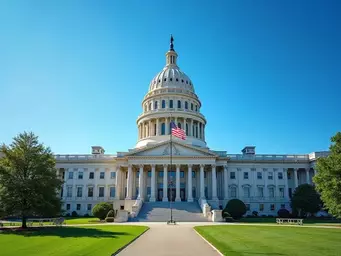
Authority and Jurisdiction: Who Does What?
Federal
National jurisdiction (Immigration, Interstate Commerce, National Defense).
State
Local matters (Education, Local Law Enforcement, Public Transportation).

Have you ever wondered how the different levels of government really work together to serve the public? Understanding this relationship is key to engaging effectively with your civic duties.
This comparison highlights the fundamental differences in structure, authority, funding, and legislative processes between federal and state government offices. For a deeper dive into how different political roles function, consider understanding a senator's role.
National jurisdiction (Immigration, Interstate Commerce, National Defense).
Local matters (Education, Local Law Enforcement, Public Transportation).
National taxes (Social Security, Medicare).
State taxes and federal grants (Schools, Infrastructure).
Follows similar structured steps, with variations by state.
As citizens, understanding the framework of federal and state offices is essential for navigating our government effectively. At Next In Office, we believe that clear information is key to informed participation. So, let’s take a closer look at how these two levels of government operate and their unique roles.
Federal offices are the backbone of our national government, tasked with implementing laws and overseeing various essential functions. Key agencies such as the IRS (Internal Revenue Service), CDC (Centers for Disease Control and Prevention), and EPA (Environmental Protection Agency) play critical roles in serving the public. Here’s a brief overview of these agencies:
Each of these agencies operates under federal authority, which means they have jurisdiction over national issues. They work to enforce laws passed by Congress and provide vital services that affect all citizens.
State offices, on the other hand, manage local governance and cater to the specific needs of their communities. Each state has its own set of offices, including the Department of Motor Vehicles (DMV), state health departments, and education boards. The roles of these offices can differ significantly from their federal counterparts:
Understanding how these state offices operate helps citizens engage with their local government effectively. Each state functions independently, and their roles can directly impact daily life. To learn more about local government, you can explore resources on navigating your local government offices.
The authority held by federal and state offices is defined by the U.S. Constitution. Federal government offices have national jurisdiction, meaning they deal with issues that affect the entire country, such as immigration and foreign policy. In contrast, state offices focus on local matters, like education and transportation. Here are some examples of jurisdiction:
Recognizing these differences helps clarify which office to approach for specific issues. For instance, if you’re dealing with a tax situation, the IRS would be your point of contact, whereas vehicle registration would be handled by your state’s DMV.
Funding also varies significantly between federal and state offices. Federal offices primarily receive funding through national taxes, while state offices depend on state taxes and federal grants. This distinction can influence the services provided. Here’s how funding plays out:
Understanding how each level is funded can shed light on the resources available for public services and the potential limitations faced at both levels of government.
Federal agencies often collaborate with state governments, particularly in areas like public health and safety. For instance, during a health crisis, the CDC can provide resources and guidance to state health departments. This intergovernmental relationship is crucial for effective governance. Here are a few key interactions:
By understanding these interactions, citizens can better appreciate how federal policies impact their local communities.
Did you know? Understanding the specific roles of federal and state offices can significantly streamline your interactions with government agencies. Always identify the nature of your issue first—whether it relates to national policies or local regulations—before reaching out. This can save you valuable time and ensure you get the appropriate assistance.
When we look at federal and state offices, it's essential to recognize their distinct yet complementary roles in our government. Federal offices, like the IRS and the CDC, manage national policies and programs. In contrast, state offices focus on local governance, addressing issues like education and transportation within their jurisdictions. This division ensures that both levels of government can address the unique needs of their constituents effectively.
Understanding these differences helps citizens navigate their interactions with government. For example, if you have a tax issue, knowing to contact the IRS (federal) versus your state tax office can streamline the process. By keeping these distinctions in mind, you can better advocate for yourself and your community when dealing with governmental matters. For more information on policy, consider understanding fiscal policy basics.
Now that we've highlighted the differences between federal and state offices, it's time to take action! I encourage you to utilize the guides available here at Next In Office to determine which office to reach out to based on your specific inquiries. Whether it's taxes, benefits, or public services, understanding where to direct your questions can make a significant difference.
Knowing who to contact can save you time and frustration. For instance, if you need assistance with a local business license, your state office is the right call. But if it’s about federal tax credits, then the IRS is your go-to. Let's empower you to seek the right information more confidently!
At both the federal and state levels, laws are created through a structured legislative process. In Congress, this involves several steps that can seem quite intricate. Here's a simple breakdown of how laws are made:
State legislatures follow a similar process, though the specific steps and requirements may vary by state. This understanding of how laws are made gives you insight into how your voice can be heard in the democratic process!
A1: Federal offices have national jurisdiction, handling issues that affect the entire country (e.g., immigration, national defense). State offices manage local matters and specific community needs (e.g., education, local law enforcement).
A2: Federal offices are primarily funded through national taxes, supporting programs like Social Security and Medicare. State offices rely on state taxes and federal grants to fund local programs such as schools and infrastructure projects.
A3: Yes, federal agencies often collaborate with state governments through joint initiatives, funding programs, and by providing guidelines and support that help shape state policies, particularly in areas like public health and safety.
A4: Key federal agencies include the IRS (Internal Revenue Service) for tax collection, the CDC (Centers for Disease Control and Prevention) for public health, and the EPA (Environmental Protection Agency) for environmental regulation.
A5: Key state agencies include the DMV (Department of Motor Vehicles) for vehicle registration and licensing, state health departments for local health initiatives, and education boards for managing public school systems.
If you're looking to dive deeper into the workings of federal and state offices, there are numerous resources available. Here are some helpful links to get you started:
These resources will help you navigate the complex world of government structures and processes, ensuring that you stay informed and engaged. Remember, at Next In Office, we are here to simplify these topics for you!
Here is a quick recap of the important points discussed in the article:

Jordan McClure is a civic education writer and political researcher focused on helping readers better understand elections, candidates, government systems, and public policy. Through clear and balanced explanations, Jordan breaks down complex political topics into practical information that everyday readers can understand. His work emphasizes clarity, factual accuracy, and context over opinion, helping citizens stay informed and navigate political topics with confidence.