Voter Registration Requirements
- ✓ U.S. Citizenship
- ✓ At least 18 by Election Day
- ✓ State Residency
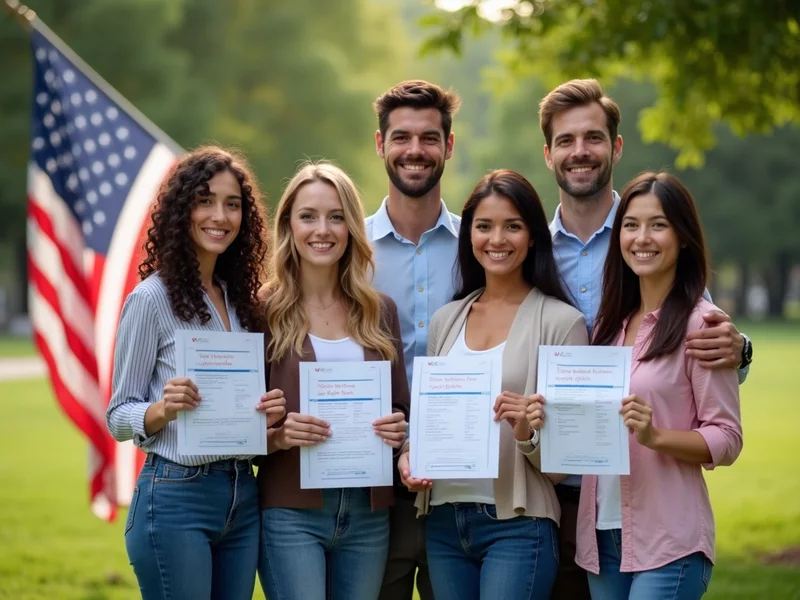
Did you know that voter registration can significantly impact the democratic process? Understanding the nuances of how to register is essential for every citizen. This guide will empower you to take the first step toward making your voice heard!
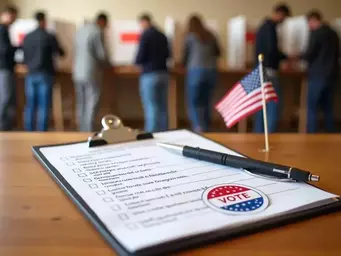
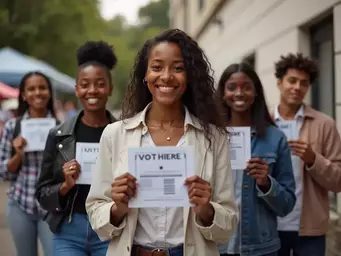
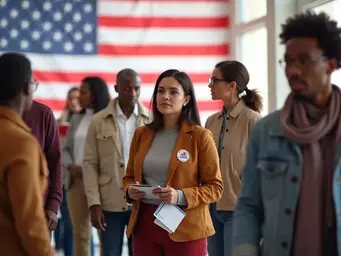
Understanding the voter registration process is crucial for civic engagement. This visual outlines the general requirements, the significance of the NVRA, and the impact of community involvement.
As we dive into the world of elections, it's essential to understand the voter registration process. After all, registering to vote is the first step toward making your voice heard in our democracy! Whether you're a first-time voter or someone who has participated in previous elections, knowing the ins and outs of voter registration is crucial.
At Next In Office, we believe that informed citizens are empowered citizens. That's why we're breaking down the complexities of voter registration to help you navigate this important aspect of civic responsibility with confidence!
Why is voter registration so vital? For starters, it's your ticket to participating in elections, which shape our laws, policies, and community priorities. Without being registered, you simply can't cast your vote, leaving your opinions unrepresented!
Moreover, registering to vote can lead to higher voter turnout, which is essential for a healthy democracy. The more people who register and vote, the more accurately our elected officials reflect the interests of their constituents! For comprehensive information on how to register to vote, you can visit official government resources like USA.gov.
Voter registration requirements can vary from state to state, but they generally include a few common criteria. Understanding these requirements can help you prepare for the registration process and ensure that you meet all necessary qualifications.
Keep in mind that some states allow pre-registration for those who are younger than 18, so always check your specific state's regulations. For example, the Massachusetts Secretary of the Commonwealth provides detailed resources on voter registration requirements and processes for residents. Staying informed about these requirements is a crucial step in your journey as a voter!
The National Voter Registration Act (NVRA) plays a significant role in simplifying the voter registration process. Enacted in 1993, this federal law was designed to make registering to vote easier and more accessible for all Americans. It emphasizes the importance of promoting voter participation.
This act has helped millions of Americans register to vote, demonstrating how policy can positively impact civic engagement. Understanding the NVRA is key to appreciating the progress we've made, while also recognizing the work that still lies ahead in ensuring equitable access to the ballot. For state-specific information on voter registration, residents of New York can refer to the New York State Board of Elections.
As we discuss the importance of voter registration, we want to hear from you! How likely are you to encourage others to register to vote?
A: Voter registration is vital because it's the first step to participating in elections, which shape our laws, policies, and community priorities. Without being registered, you cannot cast your vote, meaning your opinions go unrepresented. It also contributes to higher voter turnout, ensuring elected officials accurately reflect the interests of their constituents.
A: While requirements can vary by state, common criteria include being a U.S. citizen, being at least 18 years old by Election Day, and residing in the state where you plan to register. Some states also allow pre-registration for younger individuals.
A: The National Voter Registration Act (NVRA), enacted in 1993, is a federal law designed to simplify and increase access to voter registration. It allows people to register to vote when applying for a driver's license or social services, requires states to offer mail-in registration, and mandates accurate voter list maintenance.
A: You can encourage others by hosting registration drives, sharing information and deadlines on social media, and leading by example by sharing your own registration journey. Joining local initiatives and volunteering can also amplify your impact.
A: Voter registration drives are powerful tools for enhancing community engagement. They educate the public about the registration process and deadlines, foster connections among individuals interested in civic participation, and ultimately help increase voter turnout, leading to a more engaged and representative electorate.
As we conclude this journey through voter registration, it’s crucial to remember how essential it is to be registered. Registration isn’t just a checkbox; it’s your gateway to participating in the democratic process. By being registered, you’re not only voicing your opinions but also empowering your community to engage in discussions that matter!
When you take the time to register, you’re making a conscious choice to be involved in shaping policies and electing representatives who align with your values. This is your opportunity to influence the world around you, and it all starts with that registration form!
As we dive deeper into the significance of voter registration, consider these key points:
It’s not just about casting a vote; it’s about understanding the implications of your choices and fostering a culture of informed citizenship. Each step you take toward awareness helps build a more engaged electorate.
Being registered is just the first step! I encourage you to participate in upcoming elections—whether they are local, state, or national. Research candidates, attend town hall meetings, or join discussions in your community. The more you engage, the more confident you’ll feel when it’s time to cast your vote!
As someone who cares about civic education, I believe that every individual has a role to play in shaping democracy. So, let's make our voices heard together—let's not sit on the sidelines!
Voter registration drives are powerful tools for enhancing community engagement. They can:
When communities come together to drive registration efforts, they create a ripple effect that encourages everyone to be a part of the democratic process. As the founder of Next In Office, I can attest to the importance of these initiatives in empowering voters and fostering informed discussions.
Now that you’re informed, let’s talk about how to take action! There’s no better time to become an advocate for voter registration and help others in your community join the ranks of engaged citizens.
Remember, your efforts not only inspire others but also contribute to a stronger democracy. Let’s dive into how you can make an impact!
One of the best ways to promote voter registration is by encouraging your friends and family to register. Here are some ideas:
Your enthusiasm can be contagious! By sharing your knowledge and experiences, you help demystify the process and motivate others to join in.
Looking for ways to get involved? Consider joining local organizations that focus on voter registration and civic engagement! You can:
By collaborating with local initiatives, you not only broaden your understanding but also strengthen your community’s overall engagement!
Social media is a powerful tool for mobilizing voters. Here’s how you can leverage it for voter registration:
Your social media presence can make a difference! By actively sharing and discussing voter registration, you contribute to creating an informed electorate ready to take action.
Here is a quick recap of the important points discussed in the article:

Jordan McClure is a civic education writer and political researcher focused on helping readers better understand elections, candidates, government systems, and public policy. Through clear and balanced explanations, Jordan breaks down complex political topics into practical information that everyday readers can understand. His work emphasizes clarity, factual accuracy, and context over opinion, helping citizens stay informed and navigate political topics with confidence.