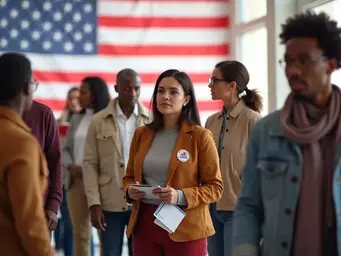
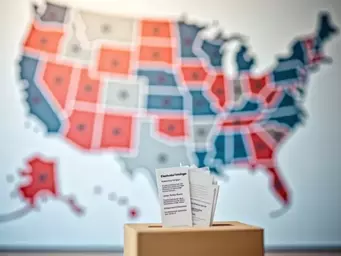
What if your vote is the one that decides the future of your community? Elections are not just a formality; they are a powerful opportunity to influence change. Understanding the U.S. election process is essential to making informed decisions and fully participating in our democracy.
What You Will Learn
U.S. elections occur at federal, state, and local levels, each with distinct rules and purposes.
Elections empower citizens, ensuring that government remains accountable to the people.
The Electoral College plays a critical role in how the president is elected, impacting voter representation.
Understanding election rules—such as registration and voting methods—is essential for effective participation.
Civic engagement can be enhanced through community discussions and sharing information about elections.
Knowing where to find reliable resources on election rules helps you navigate the electoral landscape confidently.
Exploring absentee and mail-in voting options ensures that every vote counts, regardless of circumstances on election day.
Understanding the U.S. Election Process: A Visual Guide
This visual outlines the key stages and components of the U.S. election process, from candidate selection to general election, highlighting the role of the Electoral College and important takeaways for civic engagement.
The Election Cycle: Primaries, Caucuses & General Elections
1Primaries: Select party nominees. Can be open or closed.
2Caucuses: Grassroots method for candidate selection, fostering discussion.
3General Elections: Voters choose preferred candidates for office.
The Electoral College: How it Works
AElectors: Each state has electors based on population.
BVoting: Citizens vote for a slate of electors pledged to candidates.
CMajority: 270 electoral votes needed to win the presidency.
✔Education: Public awareness to report fraudulent activities.
Finding Reliable Information & Participation
ⓘSources: State election office websites, nonpartisan organizations.
ⓘVoting Options: Absentee, mail-in, and in-person voting.
ⓘEngagement: Encourage voter participation and awareness.
Understanding the U.S. Election Process
Every four years, Americans are invited to make their voices heard through the ballot box, but what exactly are U.S. elections? At their core, elections are mechanisms for choosing representatives, deciding on public policy, and determining the leadership of our government. They encompass various levels, from local city councils to the presidency. Each election serves as a critical opportunity for citizens to express their opinions and influence the direction of our nation!
When we think about elections, it’s essential to grasp their broader purpose. Elections provide a peaceful way for citizens to choose who governs them. They ensure that power remains in the hands of the people. This process is fundamental to our democratic system and serves as a hallmark of our nation’s values. To learn more about key dates, you can check out 2026 US election key dates.
What Are U.S. Elections?
U.S. elections occur at several levels, including federal, state, and local. Each election has its own rules and regulations, but they all share a common goal: to empower citizens to select their leaders and shape their government. Here are some key components:
Types of Elections: Including primary, general, and special elections.
Participants: Voters, candidates, and political parties all play distinct roles.
Voting Methods: Options like in-person voting, absentee ballots, and mail-in votes.
Understanding these elements is crucial as we delve deeper into the election process. It's all about making informed choices that can impact our communities and lives!
The Importance of Elections in American Democracy
Elections act as the backbone of American democracy. They give citizens an avenue to voice their opinions and drive change. By participating in elections, we reinforce the principle of government by the people. Elections ensure that those in power are held accountable to their constituents, providing a check on authority.
Moreover, elections foster civic engagement and encourage citizens to stay informed. By understanding candidate platforms and public policies, we can better advocate for the issues that matter most to us. Here are a few reasons why elections are so vital:
Empowerment: Each vote counts and can sway an election outcome.
Representation: Elections help ensure diverse voices and perspectives are heard.
Stability: Regular elections promote peaceful transitions of power.
Ultimately, participating in elections is an opportunity to shape the future of our communities and country!
The Role of the Electoral College in U.S. Elections
The Electoral College is a unique feature of the U.S. election system. It determines how the president and vice president are elected. Rather than a direct popular vote, voters select electors who are pledged to support specific candidates. This system has its supporters and critics!
Here’s how the Electoral College works:
Electors: Each state has a set number of electors based on its population.
Voting: When citizens cast their votes for president, they're technically voting for a slate of electors.
Majority Wins: A candidate needs a majority of 270 electoral votes to win the presidency.
While this process has historical significance, it raises questions about representation and the weight of votes across different states. Understanding this mechanism is crucial as we explore the electoral landscape. For more information on how election results are handled, consider reading about counting and certifying election results.
Engage with Your Community!
As you think about the upcoming elections, consider this: How can you actively engage with your community to promote voter participation? Here are some ideas:
Host an information session to discuss the importance of voting.
Volunteer with local organizations that focus on voter registration.
Utilize social media platforms to share resources and encourage dialogue.
Your efforts can help foster a more informed and engaged electorate!
Frequently Asked Questions About the U.S. Election Process
What are the different levels of elections in the U.S.?
U.S. elections occur at federal, state, and local levels. Federal elections include the presidency and members of Congress, while state elections involve governors and state legislators, and local elections cover city councils, mayors, and school boards.
How does the Electoral College work?
Instead of a direct popular vote, the Electoral College determines the president. Each state is allocated a number of electors based on its population. When citizens vote, they are technically voting for a slate of electors pledged to a candidate. A candidate needs 270 electoral votes to win the presidency.
What is the difference between primaries, caucuses, and general elections?
Primaries and caucuses are methods political parties use to select their nominees for a general election. Primaries involve direct voting, while caucuses are local meetings for discussion and voting. General elections are when voters choose between the nominated candidates from different parties to fill public offices.
Why is it important to understand election rules?
Understanding election rules, such as voter registration deadlines, identification requirements, and voting methods (in-person, absentee, mail-in), is crucial for effective participation. These rules can vary by state and ensure your vote is cast correctly and counted.
Where can I find reliable information on state election rules?
Reliable sources for state election rules include your official state election office website, nonpartisan organizations like the League of Women Voters, and trusted civic engagement platforms.
Summarizing the U.S. Election Process
As we conclude our exploration of the U.S. election process, it's essential to recap the key components that shape our democratic participation. From primaries and caucuses to the general elections, understanding these steps empowers us as voters. Each stage plays a crucial role in determining who gets to represent us at all levels of government.
Here are some key takeaways to keep in mind:
Primaries: These are critical for selecting party nominees and can be either open or closed.
Caucuses: A unique method of candidate selection that encourages face-to-face discussions.
General Elections: The culmination of the election cycle where voters choose their preferred candidates.
By grasping these concepts, we gain a clearer picture of how our electoral system functions and why our votes matter.
Key Takeaways on Primaries, Caucuses, and General Elections
To summarize, understanding the differences between primaries, caucuses, and general elections is vital for informed civic engagement. Each of these electoral processes contributes to how we select our leaders. For instance, it's helpful to know that:
Primaries often dictate the candidates who will appear on the general election ballot.
Caucuses provide a platform for grassroots involvement and discussion among party members.
The general election determines who will ultimately hold office and implement policies that affect our lives.
Recognizing these distinctions can significantly enhance your ability to participate knowledgeably in the electoral process. At Next In Office, I aim to provide you with the insights you need to engage confidently in democracy.
The Importance of Understanding Election Rules
Understanding election rules is not just about knowing when and where to vote; it’s about grasping the system that governs our choices. Election rules can vary significantly from state to state, influencing everything from voter registration to how ballots are cast. A solid understanding of these rules helps ensure your voice is heard. Furthermore, registering to vote is the first crucial step in this process.
Stay informed about your state's voting laws.
Know the deadlines for registration and absentee voting.
Be aware of identification requirements for voting.
This knowledge allows you to navigate any potential challenges you may encounter on election day, making sure your participation is seamless and effective!
Understanding the Role of Election Monitoring and Security
Election monitoring and security are crucial in ensuring the integrity of our electoral process. These measures help maintain public trust in the system and protect against fraud. Here are a few key aspects to consider:
Monitoring by independent observers ensures transparency in the election process.
Security measures, such as secure voting machines, help prevent tampering.
Public education on recognizing and reporting fraudulent activities is vital.
By understanding these elements, you can feel more confident in the electoral system and advocate for practices that enhance its integrity. At Next In Office, we are committed to providing you with reliable information to foster a safe and informed voting environment.
Engaging with the Election Process
Engagement in the election process is key to a vibrant democracy. It's essential to not only participate by voting but also to encourage others to do the same. Together, we can foster a culture of civic engagement and awareness.
Encouraging Voter Participation and Awareness
Voter participation is the backbone of democracy! Here are some practical ways to encourage it in your community:
Share information about upcoming elections through social media.
Organize community discussions on the importance of voting.
Help others register to vote and understand the voting process.
By taking these steps, we can make significant strides toward enhancing civic engagement and ensuring that every voice is heard in the electoral process.
Where to Find Reliable Information on State Election Rules
When it comes to understanding state election rules, finding reliable information is crucial. Here are some trusted sources to help guide you:
Your state's election office website, which provides official guidelines and updates.
Nonpartisan organizations like the League of Women Voters, offering comprehensive voting resources.
Next In Office, where I strive to break down complex election topics into understandable language!
Utilizing these resources will equip you with the necessary knowledge to navigate the electoral landscape effectively.
Exploring Absentee and Mail-in Voting Options
Absentee and mail-in voting options have become increasingly important for ensuring access to the electoral process. Understanding these options can help you make informed decisions about how to cast your vote:
Check deadlines for requesting and submitting your mail-in ballot.
Learn about the requirements for absentee voting in your state.
Verify that your ballot is counted by tracking its status online.
By exploring these options, you can ensure that your vote is counted even if you cannot make it to the polls on election day. At Next In Office, I’m here to help you navigate these processes with confidence and ease!
Recap of Key Points
Here is a quick recap of the important points discussed in the article:
Types of Elections: Understand the differences between primaries, caucuses, and general elections.
Empowerment: Each vote counts and can sway election outcomes, emphasizing the importance of civic engagement.
Election Rules: Stay informed about your state's voting laws, registration deadlines, and identification requirements.
Electoral College: Recognize how the Electoral College influences presidential elections and the significance of electoral votes.
Encouraging Participation: Share information and help others register to foster community engagement in the electoral process.
Jordan McClure
Jordan McClure is a civic education writer and political researcher focused on helping readers better understand elections, candidates, government systems, and public policy. Through clear and balanced explanations, Jordan breaks down complex political topics into practical information that everyday readers can understand. His work emphasizes clarity, factual accuracy, and context over opinion, helping citizens stay informed and navigate political topics with confidence.