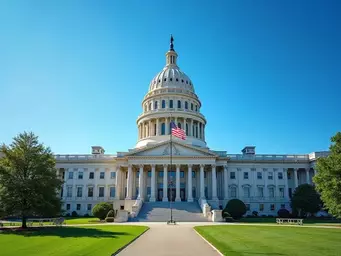
1920: 19th Amendment
Granted women the right to vote, culminating decades of the suffrage movement's efforts.
Women's Suffrage
Voting rights are foundational to our democracy, yet their history is marked by struggle and progress. Have you ever wondered how far we've come and what it takes to protect these essential rights? This overview will guide you through the importance of understanding voting rights and their evolution, empowering you to engage fully in the democratic process.
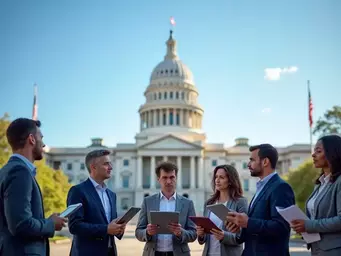
The journey towards inclusive voting rights has been marked by significant historical moments. This timeline highlights pivotal legislative and social movements that expanded suffrage in the United States. For more detailed information on how elections are managed, consider exploring resources on understanding US election processes.
Granted women the right to vote, culminating decades of the suffrage movement's efforts.
Women's SuffrageProhibited racial discrimination in voting, addressing barriers for African Americans.
Civil Rights EraWeakened federal preclearance requirements, allowing states more freedom in voting law changes.
Legislative ChangesContinued efforts to safeguard and expand voting rights through civic engagement and legislative actions.
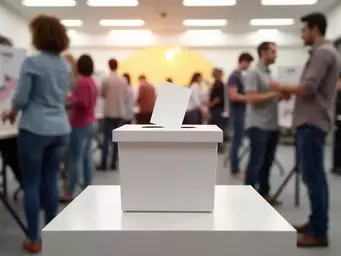
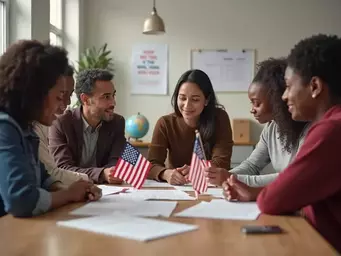
Future of Voting RightsVoting rights are at the heart of our democracy, providing citizens with the power to influence government and policy. Understanding voting rights is essential for anyone looking to engage in their community and make their voice heard. When we talk about voting rights, we’re discussing the legal rights that protect our ability to participate in elections, ensuring that everyone has an equal say in the democratic process.

The importance of voting rights extends beyond the act of casting a ballot. They embody the very principles of fairness, equality, and justice. Without these rights, our democratic systems would falter, leaving marginalized groups without representation and reinforcing systemic inequities. It's crucial that we not only understand these rights but also advocate for them, ensuring that every voice in our society is acknowledged and respected.
At its core, voting rights refer to the legal entitlements that guarantee citizens the ability to vote in elections. These rights are fundamental in shaping our government and influencing the policies that affect our everyday lives. When we think about voting rights, we should consider several key aspects:
By defining and understanding voting rights, we lay the groundwork for an engaged citizenry. This knowledge helps foster a culture of participation where everyone feels empowered to voice their opinions and make informed decisions.
Voting rights haven't always been guaranteed for all individuals in the United States. The journey towards achieving these rights has been marked by significant milestones. Some pivotal moments in the evolution of voting rights include:
These milestones highlight the ongoing struggle for inclusive voting rights. As we learn about this history, we can appreciate the sacrifices made by countless individuals who fought for our ability to vote freely. For those interested in participating, understanding how to register to vote is often the first step.
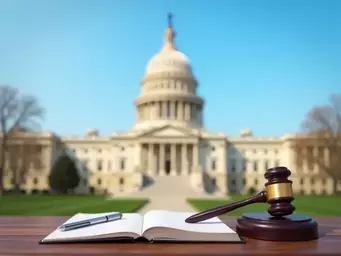
One of the most significant pieces of legislation concerning voting rights is the Voting Rights Act of 1965. This landmark law was designed to combat racial discrimination in voting. It includes several important provisions, particularly Section 2, which prohibits voting discrimination based on race, color, or membership in a language minority group.

This section plays a crucial role in ensuring that all citizens have equal opportunities to participate in the electoral process. It provides a legal basis for individuals to challenge discriminatory practices and holds states accountable for implementing fair voting procedures. Understanding these protections is vital for all voters, as they serve as a safeguard against discrimination.
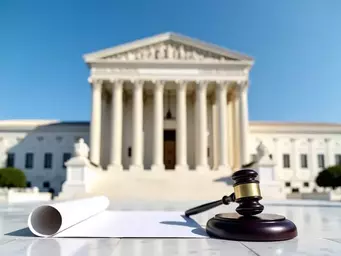
Preclearance was a significant aspect of the Voting Rights Act, requiring certain jurisdictions to obtain federal approval before changing their voting laws. This provision aimed to prevent discriminatory practices from being enacted at the state level. However, the 2013 Supreme Court decision in Shelby County v. Holder weakened this requirement, leading to concerns about potential voter suppression.
In light of these changes, it’s important to understand how states can now modify their voting laws more freely. The implications of this decision continue to be felt across the country, raising questions about the future of voting rights and the measures needed to protect them.
Did you know? Staying informed about local voting laws and changes can significantly enhance your ability to advocate for your rights. Regularly check with trusted nonpartisan organizations like Next In Office to understand any upcoming legislative changes that could impact your voting experience.
As we wrap up our discussion on voting rights, it's clear that understanding these rights is crucial for effective civic engagement. Voting is not just a right; it's a fundamental part of participating in our democracy. When we grasp the significance of our voting rights, we empower ourselves and those around us to make informed choices that shape our communities.
Being proactive in defending and advocating for voting rights is also essential. Remember, these rights can be fragile and require vigilance. By staying informed and engaged, we can ensure that everyone has a voice in the electoral process. For further reading on related topics, you might find our article on what to expect on Election Day helpful.
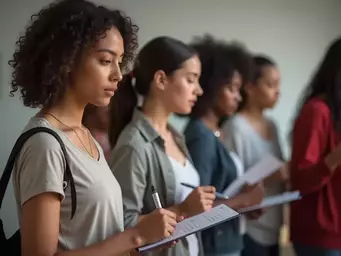
It's time to take action! Here are some impactful ways you can engage with your community and advocate for voting rights:
Nonpartisan organizations, like Next In Office, play a vital role in promoting civic literacy and political engagement. By joining forces with these groups, you can help make a difference in your community. Let’s ensure that every voice is heard and every vote counts! Together, we can foster a more informed and active citizenry.
Here is a quick recap of the important points discussed in the article:

Jordan McClure is a civic education writer and political researcher focused on helping readers better understand elections, candidates, government systems, and public policy. Through clear and balanced explanations, Jordan breaks down complex political topics into practical information that everyday readers can understand. His work emphasizes clarity, factual accuracy, and context over opinion, helping citizens stay informed and navigate political topics with confidence.