Election Cycle Dynamics

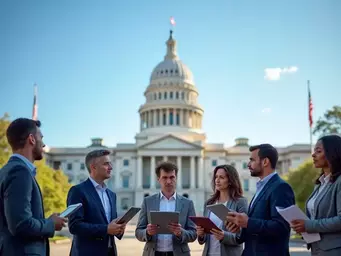
Understanding the election cycle can transform you from a passive observer to an empowered voter. Did you know that election cycles are structured processes that influence how we engage with democracy? Here’s what you need to know to navigate this complex landscape confidently.
What You Will Learn
- An election cycle consists of key phases: registration, campaigning, voting, and post-election activities.
- Federal, state, and local elections have distinct timelines, making it crucial to stay informed about your local election schedule.
- Political campaigns adapt their strategies based on election phases, such as primaries and general elections, to effectively connect with voters.
- Understanding election cycles helps voters know when to register, vote, and research candidates, empowering their participation in democracy.
Understanding the Election Cycle Flow
This visual illustrates the typical phases and key components within an election cycle, highlighting the structured process that guides elections from initial candidate interest to post-election activities.
The Election Cycle: A Four-Phase Process
1. Registration
Candidates file official papers to run for office.
2. Campaigning
Candidates promote platforms and engage with voters.
3. Voting
Citizens cast their votes, culmination of the cycle.
4. Post-Election
Candidates prepare for office or concede after votes are counted.
Cycle Variation by Level
Federal Elections
Presidential every 4 years; Congressional every 2 years.
State Elections
Vary widely, aligning with local needs/climates.
Local Elections
Often on different schedules than federal elections.
Campaign Components
Primaries
Determine party representatives for general election.
General Elections
Final decision point for voters to choose candidates.
Campaign Strategies
Adapt messages to voter demographics and issues.
Understanding Election Cycles: A Comprehensive Overview
When we talk about an election cycle, we're referring to the timeframe that encompasses everything from the initial stages of candidate selection to the final voting day. This cycle is crucial because it sets the rhythm for our political landscape, influencing how, when, and why elections take place. Without a clear understanding of these cycles, voters often feel lost in a sea of political information and timelines. At Next In Office, we aim to demystify this process so you can navigate elections with confidence!
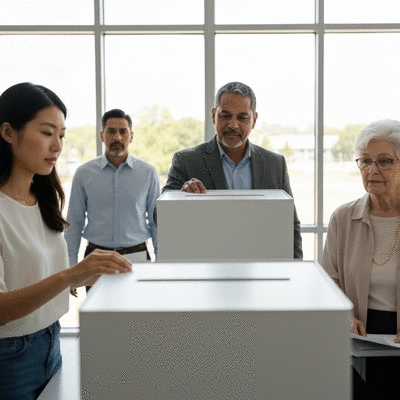
Election cycles are not just a series of dates; they're a structured process that shapes our democracy. Recognizing the importance of these cycles helps citizens like you engage more effectively in the political process, making it easier to participate when the time comes. For instance, knowing the timeline can help you prepare for important dates such as registering to vote.
What Constitutes an Election Cycle?
So, what exactly defines an election cycle? An election cycle typically includes several key phases: registration, campaigning, voting, and post-election activities. Each phase plays a significant role in shaping the candidates' strategies and the voters' decisions.
- Registration: This is where potential candidates file official papers to run for office.
- Campaigning: Candidates promote their platforms and engage with voters.
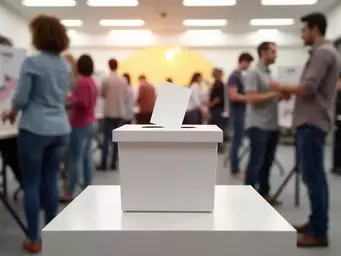
- Voting: This is the culmination of the cycle when citizens cast their votes.
- Post-election: After votes are counted, candidates may either prepare for office or concede.
Understanding these components allows voters to track what’s happening at each stage of the cycle, providing clarity and context during elections.
The Structure of Election Cycles Across Different Levels
Election cycles vary significantly at the federal, state, and local levels. At the federal level, the presidential election cycle lasts about four years, while congressional elections occur every two years. On the other hand, state and local elections often have their own unique timelines, which might not align with federal elections. This creates a complex landscape for voters to navigate.
- Federal Elections: Presidential elections every four years, with Congress holding elections every two years.
- State Elections: Can vary widely, often aligning with local needs and political climates.
- Local Elections: Typically occur on different schedules than federal elections, allowing for more frequent local engagement.
This variation means it's essential for voters to stay informed about when their local elections happen, so they can effectively participate in the decision-making process that affects their communities. To better understand the overarching framework, it's helpful to have a grasp of understanding US election processes.
Key Components of Political Campaigns Within Election Cycles
Political campaigns are intricately tied to election cycles, with distinct phases that include primary elections and general elections. During these phases, candidates focus on their strategies to appeal to voters, often tailoring their messages according to the type of election they're running in.
- Primaries: These elections determine which candidates will represent a party in the general election.
- General Elections: The final decision point where voters choose among the candidates nominated during the primaries.
- Campaign Strategies: Vary based on the electoral cycle, often adapting to voter demographics and issues at play.
By understanding these components, you can gain insight into the strategies candidates use to connect with their audience and influence voter turnout.
The Journey Through the Election Cycle
As we continue exploring the election cycle, we’ll break down the stages of the presidential election cycle next. Stay tuned for more insights that will empower you as an informed voter!
Interactive Poll: Your Thoughts on Election Cycles
How well do you feel you understand the election cycle process? Share your thoughts below:
Why Understanding Election Cycles Matters to Voters and Candidates
Understanding election cycles is crucial for both voters and candidates alike. For voters, it means being aware of when to engage with the electoral process and how to make informed decisions. For candidates, a keen knowledge of these cycles can help them strategize effectively and maximize their outreach. When you know the timeline of an election cycle, you can better navigate the landscape, from campaign planning to voting day!
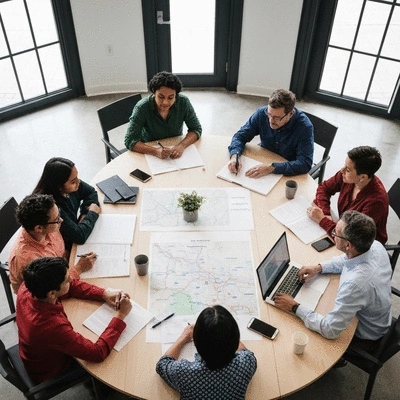
Having insight into when elections occur allows voters to prepare. It empowers them to research candidates, understand ballot measures, and engage in discussions about the issues that matter most. As I often emphasize at Next In Office, being well-informed is key to participation in our democracy!
- It helps voters know when to register and vote.
- Candidates can align their campaign strategies with key dates.
- Understanding the cycles enables better planning for fundraising and outreach efforts.
Moreover, for candidates, timing their messages and campaign efforts can make or break a campaign’s success. By recognizing the different phases of an election cycle, candidates can optimize their resources and build a connection with voters more effectively.
Frequently Asked Questions About Election Cycles
When diving into the world of election cycles, many questions arise. Here are a few common inquiries and their answers that can help demystify the process:
- What is an election cycle? An election cycle is the complete timeframe from the initial candidate registration to the final voting day and post-election activities, encompassing all phases of an election.
- What are the key phases of an election cycle? The primary phases are registration, campaigning, voting, and post-election activities.
- How do election cycles differ between federal, state, and local elections? Federal elections (e.g., presidential every four years, congressional every two) generally follow fixed national schedules, while state and local elections have more varied and often distinct timelines tailored to their specific needs.
- Why is understanding the election cycle important for voters? Understanding the election cycle empowers voters to know when to register, research candidates, and participate effectively, moving them from passive observers to active participants in democracy.
- What role do primaries and general elections play in the election cycle? Primaries select party candidates for the general election, which is the final stage where voters choose among nominated candidates to fill office.
At Next In Office, I see firsthand how understanding these nuances can equip voters and candidates alike with the knowledge they need to navigate the electoral landscape!
The Role of Political Parties and PACs in Election Cycles
Political parties and Political Action Committees (PACs) play a significant role in shaping election cycles. These entities influence not only the candidates who run but also the overall direction of campaigns. Here's how:
- Political parties often set the agenda and provide infrastructure for candidates.
- PACs can significantly boost fundraising efforts, allowing candidates to reach more voters.
- Both parties and PACs engage in strategic planning to maximize their impact during key phases of the election cycle.
The collaborative efforts between parties and PACs can create a ripple effect throughout the election process, showcasing how intertwined their roles are with the candidates and the voters they seek to engage. This also impacts how we engage in researching candidates before you vote.
Engaging with the Election Process: Next Steps
As we navigate through the complexities of election cycles, it’s essential to take proactive steps to engage with the electoral process. I encourage you to stay informed about upcoming elections and actively participate, whether by voting, volunteering for campaigns, or simply discussing issues that matter to you with friends and family!
Knowledge is power, and understanding election cycles is one way to ensure your voice is heard. By staying engaged, you’re not just a spectator in our democracy—you’re an active participant!
Resources for Further Learning
To deepen your understanding of election cycles, consider exploring these resources:
These links provide excellent information to help you navigate the election process and become a well-informed voter. At Next In Office, we believe that an educated electorate is vital for a healthy democracy. Let’s keep learning and participating together!
Recap of Key Points
- An election cycle includes phases such as registration, campaigning, voting, and post-election activities.
- Federal, state, and local elections have different timelines, impacting voter engagement.
- Understanding political campaigns involves recognizing primary and general elections and their strategies.
- Voters benefit from being informed about election cycles, which empowers them to register and participate effectively.
- Political parties and PACs play crucial roles in shaping election cycles and candidate strategies.
Jordan McClure
Jordan McClure is a civic education writer and political researcher focused on helping readers better understand elections, candidates, government systems, and public policy. Through clear and balanced explanations, Jordan breaks down complex political topics into practical information that everyday readers can understand. His work emphasizes clarity, factual accuracy, and context over opinion, helping citizens stay informed and navigate political topics with confidence.