General Election Day
The primary date for all voters to cast their ballots.
November 8, 2026
As we approach the pivotal 2026 U.S. elections, understanding the timeline of key dates can significantly impact your ability to engage in the democratic process. Knowing when to vote and how to prepare can empower you and your community.
Stay informed and engaged with the critical milestones for the upcoming 2026 U.S. elections.
As we gear up for the 2026 U.S. elections, it's crucial to be aware of the key dates that will shape our political landscape. The general election will take place on Tuesday, November 8, 2026, and knowing this date is just the beginning. Staying informed about the entire election calendar can better equip us to participate in the democratic process.
Understanding these timelines not only helps us plan our voting strategies but also fosters civic engagement in our communities. After all, every vote counts, and being aware of when and how to participate can make a significant difference!
The 2026 election calendar includes critical dates that are essential for voters to mark down. Here are some of the key dates to keep in mind:
By keeping track of these important dates, voters can ensure they are prepared to take part in the electoral process, whether that means voting in primaries or the general election itself.

Election dates play a pivotal role in shaping voter participation. When voters know when elections are taking place, they’re more likely to plan ahead, which can lead to higher turnout rates. Understanding these timelines can also help individuals coordinate with family and friends, making voting a shared experience.
Moreover, election dates influence civic engagement. For instance, if people are aware of upcoming primaries, they might delve into researching candidates or policies, which ultimately leads to a more informed electorate.
One of the most critical factors affecting voter turnout is the voter registration deadline. Each state sets its own registration dates, and knowing these is essential for ensuring your voice is heard. Missing a registration deadline can mean the difference between casting a ballot and sitting on the sidelines!
Here’s why registration deadlines matter:
Ultimately, understanding voter registration deadlines is vital for empowering individuals to take part in the democratic process and make their voices heard.
Did you know? Setting personal reminders for voter registration deadlines can significantly increase your likelihood of participating in elections. Utilize digital calendars or apps to keep track of not only registration deadlines but also primary and general election dates. Staying organized is key to making your vote count!
As we look ahead to the 2026 elections, understanding the key dates on the election calendar is crucial for every voter. The 2026 election season will feature important milestones, including primary elections, special elections, and the general election itself. Marking these dates can help ensure that you’re ready to participate in the democratic process.
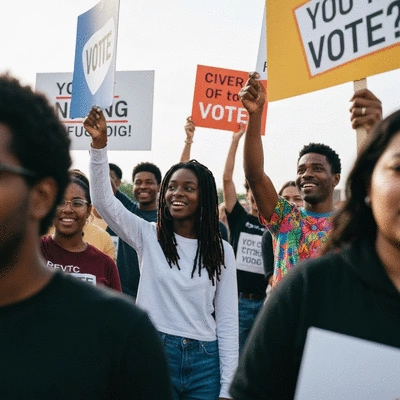
Here's a quick recap of essential dates that every voter should remember:
By keeping these dates in mind, you’ll not only be prepared to vote but also encourage others in your community to join you. It's all about creating a well-informed electorate!
Now that we've covered the importance of the election calendar, it’s time to take action! Here’s how you can ensure you’re fully prepared for the 2026 elections:
Engaging with the electoral process doesn’t stop at casting your ballot. It's about staying informed and encouraging others to do the same. I always emphasize the value of understanding your rights as a voter and the importance of your participation in shaping the democratic process.
I’d love to hear your thoughts! What are your questions about the upcoming elections? Share them in the comments below or reach out directly. Engaging in conversation is a fantastic way to deepen our understanding of the electoral process and its implications on our communities.
Political campaigns play a significant role in influencing voter turnout. They can either mobilize or deter participation based on how candidates communicate their messages and connect with voters. Here are a few ways campaigns can affect voter engagement:
Understanding these dynamics can help you navigate the campaign landscape and make informed decisions as you prepare to vote. Remember, your voice matters!
Here is a quick recap of the important points discussed in the article:

Jordan McClure is a civic education writer and political researcher focused on helping readers better understand elections, candidates, government systems, and public policy. Through clear and balanced explanations, Jordan breaks down complex political topics into practical information that everyday readers can understand. His work emphasizes clarity, factual accuracy, and context over opinion, helping citizens stay informed and navigate political topics with confidence.