Why Debates Matter in Democracy
- Encourage transparency
- Facilitate public discourse
- Aid informed voting
- Highlight key issues
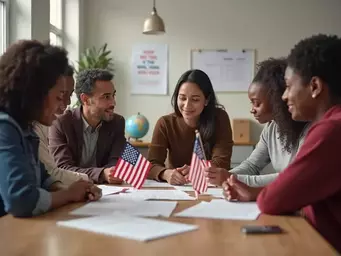
Debates empower citizens through direct candidate engagement.

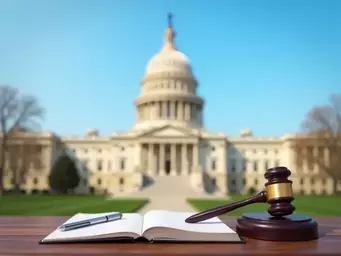
Political debates are more than just formal exchanges; they are pivotal moments that shape our democracy and influence voter perceptions. Understanding their significance can empower you to engage more actively in the political process.
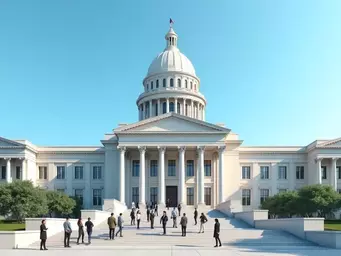
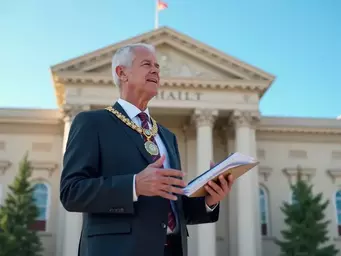
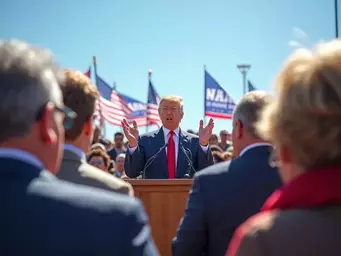
Political debates are fundamental to a healthy democracy. They offer a unique platform for candidates and a crucial educational tool for voters. This visual highlights the core aspects of debates, from their democratic purpose to their structured format, helping citizens make informed electoral choices. For insights into the foundational mechanics of our electoral system, consider understanding US election processes.
Debates empower citizens through direct candidate engagement.
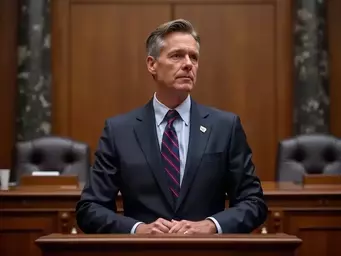
Simplifying complex topics for broader understanding.
Structured to foster meaningful and fair dialogue.
Diverse formats and dedicated oversight ensure integrity.
Political debates play a crucial role in shaping our democracy. They are not just formal events; they provide a platform for candidates to express their views and policies, offering a glimpse into their personalities and approaches to governance. When you watch a debate, you're witnessing a dynamic exchange of ideas that can heavily influence voter perceptions and decisions!
Debates matter because they help us, as voters, to engage more deeply with the political process. They allow candidates to answer questions directly, respond to their opponents, and clarify their stances on issues that affect our lives. By understanding why political debates matter, we can appreciate how they contribute to a healthy democratic process.
These debates are essential in promoting transparency among candidates. They provide a space where voters can hear candidates' positions on various issues, making it easier to hold them accountable later. Here at Next In Office, we believe that understanding the significance of debates can empower citizens to participate more actively in democracy.
Debates serve as a vital educational tool for voters. They simplify complex political topics by breaking them down into manageable discussions. Imagine attending a lecture that is engaging and interactive; that's the essence of a good debate! It creates an environment where voters can learn directly from the candidates. To further enhance your understanding of electoral choices, you might find it helpful to explore researching candidates before you vote.
Through debates, we gain insight into how policies affect our communities. The more we understand, the better equipped we are to make informed choices at the polls. By watching debates and analyzing the candidates' arguments, we become more politically literate, which is essential for a thriving democracy.
The structure of political debates greatly influences how information is presented and perceived. Each element of a debate is designed to facilitate discussion and allow voters to see how candidates respond under pressure. By exploring these formats, we can better appreciate the craft behind effective political communication!
Understanding the format helps us grasp the nuances of each candidate's presentation. Whether it’s an opening statement or a rebuttal, each part serves a specific purpose in conveying ideas and engaging the audience.
Each debate typically starts with opening statements where candidates introduce themselves and their platforms. Following this, candidates engage in rebuttals, which are critical moments where they can counter their opponents' claims. Finally, they deliver closing remarks to summarize their key messages, leaving a lasting impression on viewers.
Opening statements serve as first impressions, allowing candidates to outline their visions succinctly. The rebuttals are equally important, as they showcase candidates’ ability to think on their feet. Closing remarks are the candidates' last chance to persuade undecided voters, making them a pivotal part of the debate.
Debate formats often come with strict timing rules. Each candidate has a set amount of time to speak, which ensures fairness and keeps the discussion focused. Mic control is essential – it ensures that candidates don’t interrupt each other and that every voice can be heard. These rules promote a more orderly and structured debate environment.
Political debates come in various formats, each designed to engage voters differently. Understanding these formats can enhance our appreciation for how candidates communicate their policies.
Town hall debates involve direct interaction with the audience, allowing voters to ask questions and engage with candidates personally. On the other hand, presidential debates have evolved through history, often reflecting the political climate and media landscape of the time.
In town hall formats, candidates face questions from real voters, making the debate feel more personal and relevant. This format encourages dialogue and helps voters gauge candidates' authenticity.
The history of presidential debates shows how they've become a staple of American political culture. They offer a chance for candidates to distinguish themselves on the national stage, shaping voter perceptions and sometimes altering the course of elections!
Debates don’t just happen spontaneously; they are organized by dedicated commissions and organizations. Understanding who is behind the scenes can shed light on the debate process.
These organizations ensure that debates adhere to fair standards and provide equal opportunities for all candidates. Knowing the organizers helps us appreciate the integrity of the debate process and the effort involved in bringing these discussions to the public.
Debate commissions play a crucial role in coordinating logistics, setting rules, and selecting moderators. Their goal is to create a structured environment that fosters meaningful dialogue. This behind-the-scenes work is essential for smooth and effective debates.
The moderator is often the unsung hero of a debate, tasked with keeping the conversation on track. They ensure that all candidates have equal speaking time and that questions are directed appropriately. A skilled moderator can greatly influence the quality and flow of a debate!
As we delve deeper into the significance of political debates, we want to hear from you! What aspect of political debates do you find most crucial for understanding candidates?
A: Political debates are crucial for democracy because they promote transparency, facilitate public discourse, aid informed voting decisions, and highlight key issues, allowing citizens to engage directly with candidates' views and policies.
A: Debates educate voters by clarifying candidates' positions on policies, demystifying political jargon, and encouraging critical thinking. They provide a direct platform for voters to learn about complex topics and make informed choices.
A: Key components typically include opening statements, where candidates introduce their platforms; rebuttals, for immediate responses to opponents' claims; and closing remarks, to summarize key messages and leave a lasting impression.
A: The moderator is responsible for keeping the discussion on track, ensuring all candidates have equal speaking time, and directing questions appropriately. They play a vital role in maintaining the quality and fairness of a debate.
A: Voter engagement leads to higher turnout rates, promotes accountability among elected officials, and contributes to more informed policy-making. Active participation by voters helps shape the future of democracy.
Political debates play a crucial role in our democratic process, acting as a platform for candidates to express their ideas, challenge each other, and connect with voters. Understanding the structure and impact of these debates can significantly enhance our ability to analyze and engage in political discourse. Here are some key takeaways:
As someone who believes in making political information accessible, I can’t stress enough how much these debates contribute to our understanding of the candidates and their policies. The way candidates present their positions can impact not only individual votes but also the overall political landscape.
When watching a political debate, it’s essential to focus on the format and how effectively candidates utilize it. Here are some core aspects to consider:
By paying attention to these elements, we can gain a more nuanced understanding of each candidate's strengths and weaknesses. This, in turn, allows us to make more informed choices at the ballot box!
As an informed voter, your engagement with political debates can help shape the future of our democracy. It’s not enough to simply observe; active participation is crucial! Here’s how you can get involved:
By embracing these actions, you’re not only educating yourself but also encouraging others to engage in meaningful conversations about our political landscape.
To navigate the world of political debates and discourse, I recommend exploring a variety of resources:
These resources can help you become a more informed voter, contributing to a more engaged and educated electorate—one of the pillars of our democracy.
Lastly, it’s vital to recognize how your engagement can influence electoral processes. Here are a few impacts of voter engagement:
As we participate in democracy, we must remember that our engagement matters. The choices we make at the polls are shaped by our understanding of candidates and the issues at hand, so let’s stay informed and encourage others to do the same! For details on how ballots are counted and results confirmed, refer to counting and certifying election results.
Here is a quick recap of the important points discussed in the article:

Jordan McClure is a civic education writer and political researcher focused on helping readers better understand elections, candidates, government systems, and public policy. Through clear and balanced explanations, Jordan breaks down complex political topics into practical information that everyday readers can understand. His work emphasizes clarity, factual accuracy, and context over opinion, helping citizens stay informed and navigate political topics with confidence.