Three Primary Branches of State Government
Each branch has distinct responsibilities for balanced governance.

In a world where understanding your government can feel overwhelming, grasping the structure of state governance is empowering. State governments are the closest form of authority to the people, tailoring laws and policies that directly affect our daily lives. By learning how these systems operate, you can be an informed advocate for your community's needs.
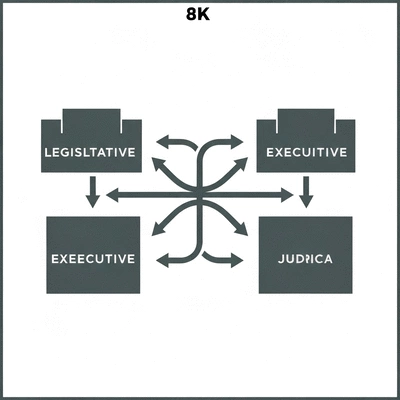
Each state's government operates with a system of checks and balances, ensuring fair representation and preventing overreach by any single entity. This visual breaks down the core branches and their primary functions. To further understand how different governmental bodies interact, explore the power balance in government systems.
Each branch has distinct responsibilities for balanced governance.
When we talk about state government structure, we're diving into a crucial component of the U.S. political system. Each state has its own framework that dictates how laws are made, executed, and interpreted. This structure is not only essential for maintaining order but also plays a significant role in empowering citizens to engage with their government at a level that feels most immediate and relevant to their lives.
The significance of state government structures cannot be overstated; they are the backbone of our democracy. By providing a means for local governance, they ensure that the unique needs of each community are met. Think of it as a well-tailored suit—each state adjusts its approach to fit its specific demographic, culture, and challenges.
At its core, the state government structure consists of three primary branches: the executive, legislative, and judicial branches. Each of these branches has distinct responsibilities and powers that are designed to provide checks and balances within the government system. This multifaceted approach prevents any single entity from wielding too much power, ensuring fairness and representation for all citizens.
Understanding how these branches interact provides insight into how state governance operates. It showcases the dynamic nature of state government and emphasizes the importance of civic engagement. By participating in state elections and staying informed, you can influence the decisions that directly impact your community.
State governments play a vital role in balancing the power of the federal government. They are often the first line of defense for citizens' needs, directly addressing issues like education, transportation, and public safety. These local governments not only implement federal policies but also create laws tailored to their citizens' unique needs.
This close connection to daily life is why state government matters so much. When you understand the workings of your state government, you empower yourself as a voter and citizen. It's about making informed choices that reflect your values and needs in a rapidly changing world. For more details on the responsibilities of various state officials, you might find our article on the role of a governor today particularly insightful.
The legislative branch is where the magic of lawmaking happens. In most states, it consists of two chambers—a bicameral system—though a few states like Nebraska operate with a unicameral legislature. This structure allows for thorough discussions and debates before laws are enacted, ensuring that multiple perspectives are considered.
This system of checks and balances is essential for ensuring that laws reflect the diverse interests of the state’s population. Understanding these dynamics is vital, especially as we approach election season. By knowing who your representatives are and what they stand for, you can make choices that align with your vision for your community.
The state legislature is structured to allow for representation from various regions within the state. Typically, the State Senate and the State House of Representatives work in conjunction to propose and debate legislation. Each chamber has distinct powers, but they must collaborate to enact laws.
By understanding the functionality of the state legislature, you can appreciate the effort behind the laws that impact your daily life. This knowledge not only empowers you as a voter but also encourages you to engage with your local representatives.
The executive branch is headed by the governor, who plays a crucial role in shaping state policies and implementing laws. Governors work alongside other executive officers, including the Lieutenant Governor and Attorney General, to manage the administration of state functions.
This branch is often where policies come to life, and understanding its operations can give you insight into how decisions are made. As citizens, knowing the roles of these officials empowers us to advocate for the changes we want to see.
The judicial branch ensures that laws are applied fairly and justly within the state. It comprises various levels of courts, including the State Supreme Court and State District Courts, each with distinct roles in the legal system.
This structure not only upholds the rule of law but also protects individual rights. By familiarizing yourself with the judicial system, you can better understand your rights and responsibilities as a citizen. Understanding the broader context of how laws are made and interpreted can be further enhanced by learning about branches of government and their roles at all levels.
How engaged do you feel with your state government? Let us know your thoughts by selecting one of the options below:
A1: The three primary branches of state government are the legislative, executive, and judicial branches.
A2: The legislative branch is responsible for crafting and enacting laws at the state level.
A3: The executive branch is headed by the governor.
A4: The judicial branch interprets laws and administers justice, ensuring fair application of laws and protecting individual rights.
A5: Understanding state government is crucial because it is the closest form of authority to the people, directly affecting daily life through laws and policies. It empowers citizens to engage effectively, advocate for their communities, and make informed choices.
As we wrap up our discussion on state government, let's recap the key points that are essential for understanding how these entities operate. First and foremost, state governments have distinct branches: legislative, executive, and judicial, each playing a vital role in governance. The legislative branch crafts laws, while the executive branch executes and enforces those laws, and the judicial branch interprets them. This separation of powers ensures a balanced approach to governance.

Furthermore, state governments are crucial in implementing state taxation and regulations tailored to meet local needs. By understanding these structures, citizens can better engage with their government and advocate for policies that reflect their interests.
These insights not only provide clarity on how state governments function, but they also emphasize the importance of being informed about the laws and policies that impact our daily lives.
For those looking to dive deeper into their state government's workings, there are plenty of resources available. Here are some official state government websites and platforms where you can find valuable information:
These platforms can help you stay informed and engaged with your state government. Whether it’s understanding legislative processes or finding out how to vote, having access to accurate information is key!
Understanding state government is crucial for every citizen. It empowers us to participate actively in our democracy. When we know how our state government operates, we can engage more thoughtfully with civic issues. This knowledge fosters an informed electorate, which is vital for the health of our democracy. After all, our voices matter when it comes to shaping the policies that affect our lives!
By recognizing the significance of our role in state governance, we can advocate for change and support initiatives that align with our values and community needs. It’s not just about knowing; it’s about participating!
There are many ways citizens can engage with their state government. Here’s a look at some opportunities for getting involved:
Engaging with these opportunities not only enhances our understanding of state governance but also allows us to be active participants in shaping the future of our communities. At Next In Office, we believe that informed participation is essential to a thriving democracy. Let’s step up and make our voices heard! To effectively engage, it's also important to understand the election timeline and key dates, which you can learn more about by visiting our article on understanding the election timeline.
Here is a quick recap of the important points discussed in the article:

Jordan McClure is a civic education writer and political researcher focused on helping readers better understand elections, candidates, government systems, and public policy. Through clear and balanced explanations, Jordan breaks down complex political topics into practical information that everyday readers can understand. His work emphasizes clarity, factual accuracy, and context over opinion, helping citizens stay informed and navigate political topics with confidence.