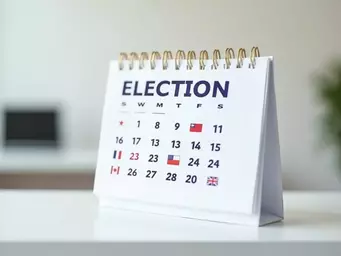
Understanding General Elections
What if your vote could shape the future of your community? Understanding the intricacies of general elections is not just about participating; it’s about making a meaningful impact. Let’s explore the vital lessons about your role and responsibility as a voter!
What You Will Learn
- A general election is a nationwide voting event that allows citizens to elect representatives for various public offices.
- Key features of general elections include universal suffrage, secret ballots, and equal access for candidates, ensuring a fair electoral process.
- Political parties play a crucial role in elections by nominating candidates, developing platforms, and mobilizing voters.
- Your vote matters! Staying informed about candidates and issues is essential for making knowledgeable decisions at the polls.
- Engaging in discussions about political issues with your community enhances civic participation and fosters a more informed electorate.
General Election Key Features and Voter Engagement Process
Understanding the structure and function of general elections, along with the voter's role, is crucial for civic engagement. The visual below outlines the core features of a general election and the critical steps for informed participation. For a deeper understanding of the electoral journey, consider exploring the various stages involved in understanding US election processes.
Key Features of a General Election
- ✓ Universal Suffrage
- ✓ Secret Ballot
- ✓ Equal Access for Candidates
Voter's Role in a General Election
- • Research Candidates & Issues
- • Register to Vote
- • Plan Your Vote
Understanding the Concept of a General Election
When we talk about a general election, it might seem like a daunting topic at first. However, understanding its basics is crucial. A general election is a process through which voters select their representatives for public office. This is not just about picking a name on a ballot; it's about choosing the people who will have a direct impact on our communities and lives.
In essence, a general election serves as the foundation of our democratic system. By participating, we're taking an active role in shaping our government and influencing policies that matter to us. Let’s dive deeper into what this means!
What Is a General Election? A Clear Definition
A general election refers to a nationwide voting event where eligible citizens cast their votes to elect officials for various public offices, such as the president, congress members, governors, and local representatives. It’s like a big team selection, where voters choose who they believe will best represent their values and interests.
- Frequency: General elections are typically held every two to four years, depending on the office.
- Scope: They can include federal, state, and local elections.
- Process: Voters usually receive a ballot with the names of the candidates and measures up for a vote.
Understanding this definition is vital as it lays the groundwork for grasping the significance of the electoral process. With every election, we hold the power to influence the direction of our communities.
Key Features of a General Election
General elections have several key features that help define their structure and function. These features ensure that the election process is fair and transparent, fostering trust within the electorate.
- Universal Suffrage: Every eligible citizen has the right to vote, ensuring that all voices are heard.
- Secret Ballot: Voting is done privately, allowing individuals to express their preferences without fear of judgment.
- Equal Access: All candidates have the opportunity to communicate their platforms to the public.
These characteristics not only empower voters but also reinforce the integrity of the electoral process. It’s essential to understand these features as they play a significant role in the functionality of democracy.
Exploring the Role of Political Parties in General Elections
Political parties are key players in the general election landscape. They serve as vehicles for candidates to present their ideas and values to the electorate. Think of them as the coaches of a sports team, helping to strategize and lead their candidates toward victory! To make informed decisions, it is crucial to research candidates before you vote.
- Candidate Nomination: Parties nominate candidates who align with their ideologies to run for office.
- Platform Development: Each party creates a platform that outlines its beliefs and proposed policies.
- Voter Mobilization: Political parties work to engage and inform voters, encouraging participation in the electoral process.
By understanding the role of political parties, we can better navigate the landscape of general elections and make informed decisions at the polls. As we explore further, remember that every vote counts, and being educated helps amplify your voice!
Pro Tip
Did you know? Engaging with local community groups can greatly enhance your understanding of the candidates and issues at stake in an election. These groups often host discussions, provide educational resources, and create opportunities for you to ask questions directly to candidates or their representatives.
Wrapping Up: Key Takeaways About General Elections
As we wrap up our exploration of general elections, it’s crucial to understand your role as a voter. This isn’t just about casting a ballot; it’s about making your voice heard in shaping the future of your community and country. Engaging in the electoral process empowers you to influence decisions that affect your daily life, from education to healthcare policies.
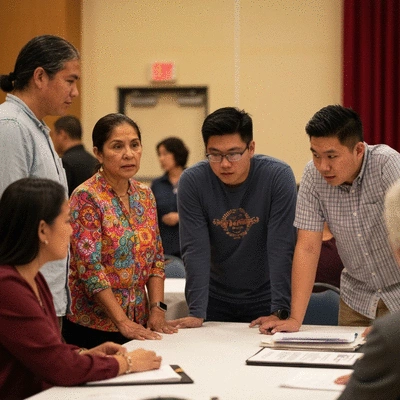
One key takeaway is that your vote counts! Every election is an opportunity to express your views and preferences. By participating, you contribute to a larger democratic process that relies on informed citizens. So, let•s break down some vital points about being an active voter:
- Stay Informed: Keep up with candidates and their positions.
- Register to Vote: Ensure that you’re eligible to participate.
- Engage with Others: Discuss election issues with friends and family.
- Vote Wisely: Make decisions based on facts, not just emotions.
Understanding these points can enhance your voting experience and ensure that you’re contributing thoughtfully to the democratic process.
Understanding Your Role as a Voter in a General Election
Your role as a voter goes beyond simply showing up on election day. It involves being a well-informed participant in your community's political landscape. As part of Next In Office's mission, we strive to help you navigate this landscape by providing clear, unbiased information about candidates and issues.
To actively participate, consider these responsibilities:
- Research Candidates: Look into their backgrounds and policies.
- Understand Propositions: Know what’s at stake with ballot measures.
- Engage in Discussions: Talk to others about your findings.
By taking these steps, you’ll feel more confident when you cast your vote and know that you are making a well-informed decision.
Encouraging Informed Participation in the Electoral Process
Informed participation is essential for a healthy democracy. As citizens, we have the power to influence change. But how do we ensure that everyone participates meaningfully? At Next In Office, we believe education is the key!
Here are ways to encourage informed participation:
- Share Information: Discuss findings with friends and family.
- Utilize Resources: Make use of educational platforms like Next In Office.
- Attend Local Meetings: Engage with community forums and debates.
Encouraging discussions about elections and providing accessible information can significantly enhance voter engagement and understanding of the democratic process. Don't forget to register to vote to ensure your voice is heard.
Frequently Asked Questions About General Elections
When is a General Election Held?
General elections in the United States typically occur on the first Tuesday after the first Monday in November. This timing has been established by federal law to ensure consistency across states. However, specific dates may vary for local elections.
What Are the Differences Between General, Primary, and Special Elections?
It’s essential to understand the distinctions between these election types:
- General Elections: Determine final officeholders for various positions.
- Primary Elections: Help political parties select their nominees.
- Special Elections: Called to fill vacancies or decide specific issues.
Each type of election serves a unique purpose, contributing to the overall electoral process.
How Do I Prepare for a General Election?
Preparation is key to a smooth voting experience! Here’s how you can get ready:
- Register to Vote: Check your registration status ahead of time.
- Research Candidates and Issues: Utilize resources like Next In Office.
- Plan Your Vote: Decide whether you’ll vote in person, by mail, or early.
Taking these steps can help ensure that you are prepared and confident on election day!
What Is the Importance of Civic Engagement in Elections?
Civic engagement is vital to a thriving democracy. When citizens are involved in the electoral process, it strengthens the community and fosters a sense of responsibility. Engaging in discussions, voting, and advocating for issues helps shape the policies that affect our lives.
Ultimately, by participating in elections, you are taking an important step toward building a better future for everyone. So, let’s continue to empower each other with knowledge and encourage active participation in our democracy! For further insights into election timelines, you can refer to 2026 US Election Key Dates.
Recap of Key Points
Here is a quick recap of the important points discussed in the article:
- Understanding General Elections: A general election allows voters to choose their representatives for public office, impacting community policies.
- Key Features: Features like universal suffrage, secret ballots, and equal access to candidates promote a fair electoral process.
- Role of Political Parties: Political parties nominate candidates, develop platforms, and mobilize voters to participate actively in elections.
- Being an Informed Voter: Stay informed about candidates, register to vote, engage in discussions, and make decisions based on facts.
- Encouraging Participation: Share information, utilize resources, and attend local meetings to enhance civic engagement.

Jordan McClure
Jordan McClure is a civic education writer and political researcher focused on helping readers better understand elections, candidates, government systems, and public policy. Through clear and balanced explanations, Jordan breaks down complex political topics into practical information that everyday readers can understand. His work emphasizes clarity, factual accuracy, and context over opinion, helping citizens stay informed and navigate political topics with confidence.