1. Identify Candidates on Your Ballot
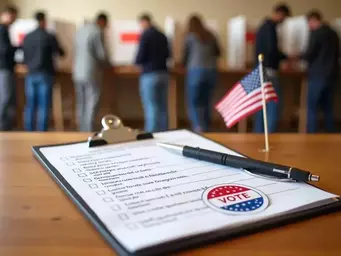
Start by obtaining your sample ballot from your state's election office website.

As we approach the election season, understanding the nuances of your ballot is not just beneficial; it's essential. Are you ready to make informed choices that reflect your values and community needs? Let’s delve into the key insights that will empower your voting experience.
Empowering your vote means understanding your ballot. The visual below outlines the essential steps and resources for effective candidate research, from identifying candidates to making informed decisions.
Start by obtaining your sample ballot from your state's election office website.
Use sites like Vote.gov or USAGov to check registration, polling places, and ballot info.
Dive deeper with Ballotpedia & Vote411 for bios, platforms, and nonpartisan guides.
Review candidate websites, news sources, and fact-checking sites to confirm claims.
As we gear up for election season, one of the most crucial steps you can take is to understand your ballot. I can't stress enough how important it is to review your sample ballot before heading to the polls. Familiarizing yourself with the candidates and measures on your ballot will not only empower you but also give you the confidence to make informed choices that align with your values.

By taking the time to examine the names and propositions ahead of time, you’ll avoid the last-minute scramble and uncertainty that can often accompany voting day. Your ballot is your voice—make sure you know how to use it!
The first step in your research journey is to identify the candidates on your ballot. Many state and local election offices provide sample ballots online, which can be a powerful resource. I encourage you to take advantage of these tools—they’re designed to help you understand exactly who and what you’ll be voting on.
Understanding your choices lays the foundation for informed decision-making. Once you know who’s running, you can dive deeper into their backgrounds and positions.
In today's digital age, accessing personalized ballot information is easier than ever! Websites like Vote.gov and USAGov are excellent starting points. These resources can guide you through the voting process and help you find tailored information based on where you live.
These tools are designed to demystify the voting process and ensure you’re well-prepared. The more informed you are, the more empowered you’ll feel when casting your vote!
In addition to government resources, there are numerous voter information websites that can provide vital insights into candidates. Sites like Ballotpedia and Vote411 aggregate information on candidates, their platforms, and key issues.
By utilizing these sites, you’ll gain a clearer understanding of the choices at hand. Remember, knowledge is power, especially when it’s about engaging in the democratic process!
Once you’ve identified candidates on your ballot, the next step is to dive into research. This is where you can really start to customize your understanding of who’s running and what they stand for.
As you prepare for the upcoming election, consider this: how often do you discuss candidates and their platforms with friends or family? Engaging in conversations about your findings can deepen your understanding and help others in your community become informed voters.
What resources or strategies have you found most effective in your research? Sharing your insights could inspire others to take action!
Here are some common questions to help you navigate your ballot research effectively:
As we come to the end of our exploration into candidate research, it's crucial to emphasize the importance of thorough research in the democratic process. Understanding candidates and their platforms can empower you as a voter! This knowledge equips you to make choices that reflect your values and community needs. Remember, informed citizens are the backbone of a strong democracy.

The act of voting is not just a right; it's a responsibility. By taking the time to engage with the material and assess each candidate carefully, you play a vital role in shaping the future of your community and country. So, let's review some key steps to keep in mind as you prepare to cast your vote:
These strategies will help ensure that your decision is based on solid information rather than hearsay. Being proactive in your research fosters a more meaningful connection to the electoral process, and it’s something we at Next In Office truly believe in!
Now that you have a clear understanding of the steps involved in researching candidates, it’s time to take action! One great way to start is by downloading our printable “Candidate Research Worksheet”. This tool is designed to guide you in organizing your findings and comparing candidates side by side. With this resource, you’ll have a handy reference for your voting decisions.
I’d also love to hear from you! What tips do you have for researching candidates? Have you found any particular resources that helped you along the way? Please share your experiences in the comments below. Engaging with others not only enriches your own understanding but also fosters a community of informed voters. Together, we can enhance civic engagement and contribute to a healthier democratic process.
Here is a quick recap of the important points discussed in the article:

Jordan McClure is a civic education writer and political researcher focused on helping readers better understand elections, candidates, government systems, and public policy. Through clear and balanced explanations, Jordan breaks down complex political topics into practical information that everyday readers can understand. His work emphasizes clarity, factual accuracy, and context over opinion, helping citizens stay informed and navigate political topics with confidence.