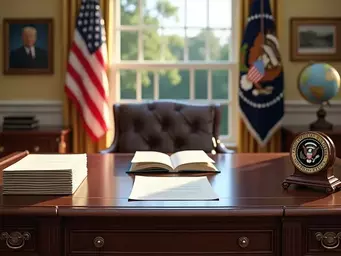
White House: Operational Center of Executive Branch
Symbol of presidency, headquarters for the leader, where critical decisions are made.
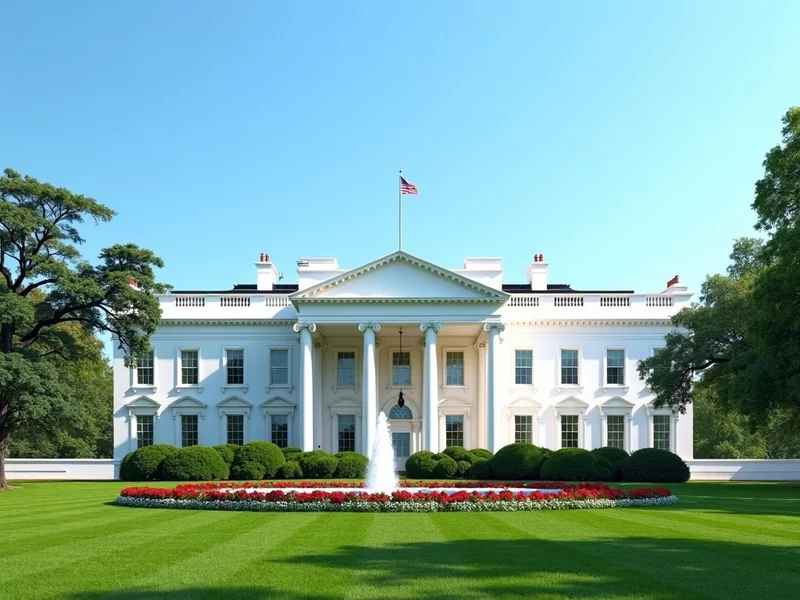
Have you ever wondered how the epicenter of American governance operates on a daily basis? The White House is not just a residence for the President; it is the beating heart of the executive branch, where crucial decisions shape the nation. Understanding its role and functions can demystify the complexities of government.
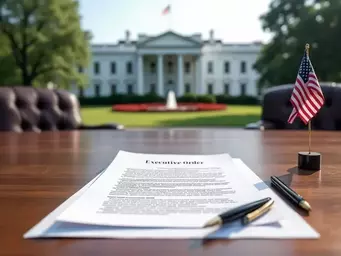
The White House serves as the central hub for the U.S. executive branch. This visual outlines its core responsibilities and the key components that enable its daily operations and communication with the public. To truly understand the scope of its responsibilities, it's helpful to consider how policies are formulated and implemented, much like the basics of fiscal policy impact the nation's economy.
Symbol of presidency, headquarters for the leader, where critical decisions are made.
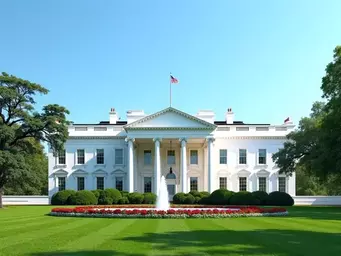
The White House serves as the operational center of the executive branch of the United States government. It's not just a residence; it's a symbol of the presidency and a place where critical decisions are made. Imagine it as the headquarters for the leader of the country, bustling with activity and purpose.
With its iconic architecture, the White House represents both history and the ongoing work of governance. It’s where the President meets with advisors, diplomats, and citizens alike to discuss matters of national importance.
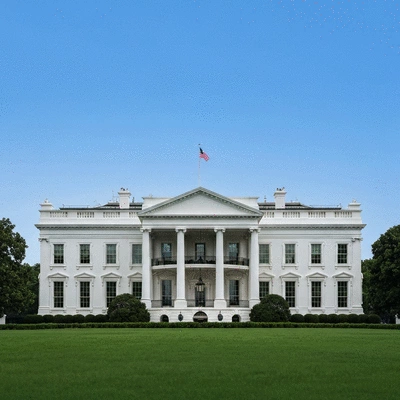
The White House is responsible for a variety of functions that are essential to the smooth operation of the government. Here are some of the major responsibilities:
These duties highlight how the White House is central to the functioning of the U.S. government, ensuring that the President's agenda is not only set but also executed effectively.
The White House is just one part of the executive branch, which is made up of various components working together. At the helm is the President of the United States, who leads the country and makes high-level decisions. Supporting the President is the Cabinet, which consists of heads of federal departments who advise on specific areas such as education, defense, and health.
This structure allows for efficient management of federal responsibilities. Each member brings their expertise, ensuring that the President is well-informed on a range of issues that affect the nation. Understanding the various roles, like presidential duties in daily life, helps clarify the intricate workings of the executive branch.
Every day at the White House is filled with a variety of activities. From briefings to meetings, the staff is constantly engaged in tasks that keep the government functioning. Here’s a snapshot of daily operations:
By maintaining this rigorous schedule, the White House ensures that the President and staff are prepared to address both routine and unexpected challenges.
The White House team is diverse, featuring various roles that support its operations. Key departments include:
Each department plays a unique role in shaping the White House's approach to governance and public interaction, demonstrating the complexity of this institution.
Several pivotal positions within the White House team help drive its daily functions. Notable roles include:
These roles are crucial for maintaining an efficient decision-making process and ensuring clear communication between the White House and the public.
Effective communication is key to the White House's function. It engages in a variety of methods to inform citizens about policies and decisions:
This proactive approach helps citizens stay informed and involved, reinforcing the White House's commitment to transparency.

It's essential to understand the distinction between the White House as an institution and the President's individual functions. While the President embodies the executive power, the White House represents the collective efforts of many individuals working towards common goals.
Recognizing this difference helps clarify how policies are developed and implemented, highlighting the collaborative nature of governance.
The White House Communications Office plays a vital role in shaping the administration's messaging. This team is responsible for:
Through these efforts, the Communications Office ensures that the administration's voice is clear and consistent in its outreach to the public.
The White House has a rich history that reflects the changing landscape of American politics. Over time, various archived websites and materials have documented its evolution, providing insights into past administrations and policies.
These resources are valuable for understanding how the executive branch has responded to different challenges over the years.
Public records are essential for accountability and transparency. The White House works diligently to preserve and make accessible important documents, which helps citizens engage with their government effectively.
This commitment underlines the notion that an informed citizenry is crucial for a functioning democracy.
The White House Historical Association plays a significant role in preserving the rich history of the Executive Mansion. Through educational programs and resources, they foster a deeper understanding of the White House’s legacy and its impact on American society.
By promoting awareness and appreciation of this history, the association encourages citizens to connect with their government in meaningful ways.
What aspect of the White House's role do you find most intriguing? Is it the daily operations, the communication strategies, or perhaps the historical context? Share your thoughts below:
The White House serves as the operational center of the executive branch of the U.S. government, where crucial national decisions are made and implemented.
Its key responsibilities include formulating and implementing national policy, overseeing executive agencies, maintaining international relations, and communicating with the public and media.
The executive branch primarily consists of the President of the United States and the Cabinet, which comprises heads of federal departments who advise the President.
The White House communicates through press releases, public statements, and engagement via social media platforms to inform citizens about policies and decisions.
The White House is the institutional collective of staff and operations, while the President is the individual leader embodying executive power. The White House represents the collaborative efforts that support the President's agenda.
To put it simply, the White House is at the heart of the executive branch of our government. It plays a crucial role in shaping policies and executing laws that affect our daily lives. From overseeing the implementation of new laws to managing national crises, the White House is a powerhouse of activity!
Every day, the staff at the White House ensures that the President's agenda is carried out efficiently. This includes coordinating with various departments, addressing public concerns, and communicating vital information to the public. Understanding these functions helps us appreciate how this institution influences our nation’s direction.
These responsibilities highlight just how integral the White House is to our federal government. By fulfilling these duties, it not only supports the President but also serves the American people by ensuring that government operates smoothly.
In today's digital world, accessing information about the White House has never been easier! The official White House website is a valuable resource for anyone interested in learning more about government functions, updates, and initiatives. It provides a plethora of information at your fingertips!
Navigating this site can empower you as a citizen, helping you stay informed about the decisions that impact your community. As a civic education platform, Next In Office encourages everyone to explore these resources to enhance your understanding of government processes. You can also learn more about understanding US election processes to further your civic knowledge.
When it comes to presidential appointments, the process involves careful consideration and often requires Senate confirmation. This includes appointing Cabinet members, judges, and ambassadors. Each appointment is a pivotal moment that can shape policies and influence the direction of the administration.
Similarly, legislative proposals often originate within the White House. These proposals are crafted to address specific issues and typically need to pass through Congress before becoming law. By understanding this process, you can better appreciate how policies come to life and the role you play in them! For a deeper dive into how legislation moves, consider exploring inside the legislative process.
As we navigate the complexities of our government, I encourage you to stay engaged! Explore the official communications from the White House and participate in civic discussions within your community. Your voice matters, and being informed is the first step toward meaningful engagement. Check out resources available at Next In Office to deepen your understanding and contribute to the conversation.
Here is a quick recap of the important points discussed in the article:

Jordan McClure is a civic education writer and political researcher focused on helping readers better understand elections, candidates, government systems, and public policy. Through clear and balanced explanations, Jordan breaks down complex political topics into practical information that everyday readers can understand. His work emphasizes clarity, factual accuracy, and context over opinion, helping citizens stay informed and navigate political topics with confidence.