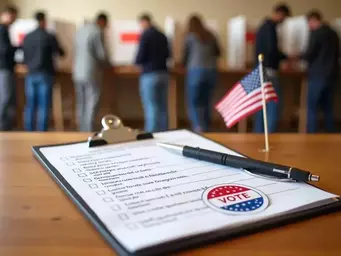
Ballot
A device used to cast votes in an election, which can be paper or electronic.

Understanding the language of elections can be the key to unlocking your confidence as a voter. By grasping essential election terminology, you can engage more effectively in discussions and make informed decisions when it counts the most.
Understanding these fundamental election terms helps voters navigate discussions and media coverage with greater confidence and clarity. When you grasp the meaning behind the words, you can make more informed decisions at the ballot box. This understanding is crucial for navigating the US election processes effectively.
A device used to cast votes in an election, which can be paper or electronic.
The current holder of a political office, often running for reelection.
The state of being a candidate for a political office.
The location where voters go to cast their votes on election day.
A method that allows voters to rank candidates in order of preference.
A growing trend that enables voters to cast their ballots from home.
The principle that ensures fair and accurate elections.
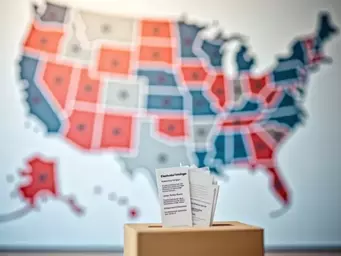
System allocating electoral votes to each state for presidential elections. A majority of 270 votes is required to win.
As we dive into the world of elections, it’s crucial to familiarize ourselves with the vocabulary that surrounds this topic. Understanding common election terms not only empowers you as a voter but also enhances your overall engagement with the political process. When you grasp the meaning behind the words, you can make more informed decisions at the ballot box.
Imagine trying to follow a movie without knowing the plot or character names; it can feel just as confusing when navigating elections without understanding the terminology. By demystifying these terms, we can navigate the election landscape with confidence and clarity. Remember, knowledge is power!

So, why should you care about election vocabulary? For starters, knowing the lingo helps you grasp the nuances of the electoral process. It allows you to critically evaluate candidates, understand their platforms, and engage in meaningful conversations about policies that affect your community.
As someone passionate about civic education, I believe that familiarizing yourself with election terms is an essential step toward informed participation in democracy. Informed voters lead to better representation and stronger communities! You can further your knowledge by researching candidates before you vote.
Now that we understand the importance of election vocabulary, let’s explore some key terms you’re likely to encounter. Being familiar with these terms will help you navigate discussions and media coverage surrounding elections.
By familiarizing yourself with these terms, you’ll be better equipped to understand the electoral process and engage with it meaningfully. At Next In Office, we strive to break down these complex topics into digestible information, making it easier for you to navigate the political landscape.
In this section, we’ll delve deeper into specific terms that are crucial for understanding the voting process and election dynamics. From various voting methods to how results are reported, these concepts shape the electoral landscape.
Did you know? Familiarizing yourself with election terminology not only helps you make informed decisions but also enhances your ability to engage in discussions about policies and candidates. Consider keeping a glossary of key terms handy as you prepare for upcoming elections, so you can confidently participate in conversations and advocate for your beliefs!
As you continue your journey in understanding election terminology, you might have some questions. Here are a few frequently asked questions that can help clarify common misconceptions:
As we conclude our exploration of election vocabulary, it’s essential to remember that understanding these common election terms can significantly enhance your ability to engage in the democratic process. From voting methods to election integrity, each term provides context that helps you make informed decisions. When you’re equipped with the right language, you can navigate political discussions and election coverage with greater confidence!
Here are some key takeaways to consider:
In reviewing the vocabulary we've covered, remember that each term plays a crucial role in the electoral process. For instance, knowing the difference between absentee ballots and early voting can empower you to choose the voting method that best suits your needs. Additionally, understanding terms like "certified results" and "turnout" equips you to interpret election coverage better.
Let’s highlight some of the most impactful terms:
Now that you’re more familiar with the vocabulary surrounding elections, it’s time to take action! Here are some next steps you can follow to ensure you stay informed and engaged:
By taking these steps, you strengthen your role in the democratic process and encourage others to do the same!

The Electoral College is an essential aspect of presidential elections in the United States. It’s important to understand how it functions and why it matters. Essentially, this system allocates a set number of electoral votes to each state based on its population. When you vote for a presidential candidate, you're actually voting for a slate of electors pledged to that candidate.
Here are a few key points about the Electoral College:
Understanding this system can help you appreciate the complexities of presidential elections and encourage you to make your voice heard on election day! For more details, consider our guide on understanding the Electoral College.
As you continue your journey in understanding election terminology, you might have some questions. Here are a few frequently asked questions that can help clarify common misconceptions:
For those looking to expand their knowledge, there are numerous resources available:
Engaging in civic education is crucial for fostering informed voters. Initiatives like community forums, voter registration drives, and educational campaigns can significantly impact voter turnout and participation. As we approach upcoming elections, I encourage you to get involved in these initiatives and help spread the word about the importance of understanding our electoral process.
By prioritizing civic engagement, we can collectively work towards a more informed electorate, ensuring that every vote counts! You can also learn more about counting and certifying election results to further your understanding.
Here is a quick recap of the important points discussed in the article:

Jordan McClure is a civic education writer and political researcher focused on helping readers better understand elections, candidates, government systems, and public policy. Through clear and balanced explanations, Jordan breaks down complex political topics into practical information that everyday readers can understand. His work emphasizes clarity, factual accuracy, and context over opinion, helping citizens stay informed and navigate political topics with confidence.