Inside America's Federal Government Structure

Did you know that understanding the structure of the U.S. federal government can significantly affect your civic engagement? By grasping how power is distributed among its branches, you empower yourself to make informed decisions and actively participate in democracy.
What You Will Learn
- The federal government is divided into three branches: legislative, executive, and judicial, each with distinct responsibilities.
- The legislative branch, consisting of Congress, is responsible for making laws that govern society.
- Understanding the federal government empowers you as a voter, enabling more informed choices at the ballot box.
- Civic engagement increases when citizens understand how government processes work and where to find reliable information.
U.S. Federal Government Structure: Branches & Roles
This visual outlines the core components and functions of the United States federal government, highlighting the distinct yet interconnected roles of its three branches. For a deeper dive into how these branches manifest in day-to-day governance, consider exploring the roles of the branches of government.
Legislative Branch: Making Laws
Composed of Congress (House of Representatives and Senate). Responsible for drafting legislation, creating the federal budget, and ratifying treaties.
- House: Population-based representation
- Senate: Equal representation (2 per state)
Executive Branch: Enforcing Laws
Led by the President, this branch implements and enforces the laws written by Congress. Manages the federal government and oversees various agencies.
- President: Head of State & Government
- Cabinet: Advises the President
Judicial Branch: Interpreting Laws
Headed by the Supreme Court, this branch interprets the laws and ensures their constitutional application. Resolves legal disputes.
- Supreme Court: Highest court
- Federal Courts: Lower tribunals
Checks & Balances: Preventing Overreach
Each branch has powers to limit the actions of the other two, ensuring no single branch becomes too powerful. This system protects liberty.
- Legislative checks Executive/Judicial
- Executive checks Legislative/Judicial
- Judicial checks Legislative/Executive
Understanding the Federal Government Structure: An Overview
When we talk about the U.S. federal government, it can feel like navigating a maze. But don't worry! I'm here to help you understand the basics of how our government operates. Understanding this structure is crucial, as it impacts everything from voting to public policy decisions. Let’s break it down together!
What is the Federal Government Structure?
The federal government structure is like a framework that holds together the various parts of governance in the United States. Essentially, it consists of three main branches: legislative, executive, and judicial. Each branch has distinct responsibilities and powers designed to function independently yet collaboratively.
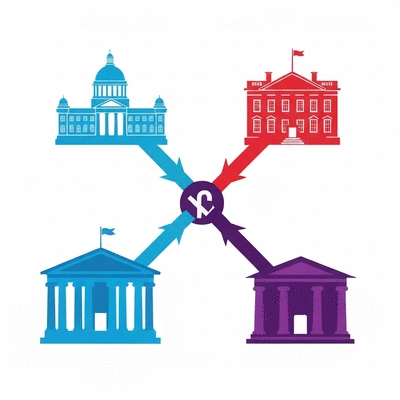
Think of it as a well-oiled machine, where each part plays a unique role in ensuring that our democracy works effectively. Knowing how these branches interact helps us all understand our rights and responsibilities as citizens. To further understand the legislative process and how bills become laws, you might be interested in what happens inside the legislative process.
- Legislative Branch: Responsible for making laws.
- Executive Branch: Enforces the laws.
- Judicial Branch: Interprets the laws.
Importance of Understanding the U.S. Federal Government
Understanding the federal government is important for many reasons. Firstly, it empowers you as a voter. When you know how the government operates, you can make informed decisions at the ballot box. You’ll be better equipped to choose candidates who align with your values and priorities.
Moreover, it fosters civic engagement. When you understand government processes, you're more likely to participate in discussions about policies that affect your community. This is exactly what we aim to achieve at Next In Office—making political information accessible so you can engage confidently in civic life!
The Three Branches of the U.S. Federal Government
Now that we have a foundational understanding, let’s delve deeper into the three branches of the federal government. Each branch plays a vital role in maintaining a balanced government, ensuring that no single entity holds too much power.
Exploring the Legislative Branch and Its Role
The legislative branch is often seen as the heart of American democracy. It is responsible for crafting and passing laws that govern our daily lives. This branch is divided into two bodies: the House of Representatives and the Senate.
Key Responsibilities of Congress
Congress, which comprises both the House and Senate, has several key responsibilities:
- Drafting and voting on legislation.
- Creating the federal budget.
- Ratifying treaties and confirming presidential appointments.
These responsibilities ensure that the needs and concerns of the public are addressed through democratic processes.
Important Legislative Bodies: House and Senate
The two chambers of Congress serve different functions:
- The House of Representatives: Represents the population, with members elected based on state populations.
- The Senate: Provides equal representation for each state, with two senators per state.
This unique structure helps balance the interests of both populous and less populous states, promoting fairness in legislative processes.
The Role of the Bill of Rights in Legislation
The Bill of Rights is essential to understanding American democracy. It consists of the first ten amendments to the Constitution, guaranteeing fundamental rights like freedom of speech and religion. These rights are protected against governmental interference, ensuring that legislation respects the freedoms and liberties of individuals. To learn more about the critical functions of one of these chambers, read about understanding a senator's role.
When you learn about these amendments, you're not just memorizing laws; you’re gaining insight into why they matter and how they affect your daily life!
Interactive Poll: How Informed Are You?
Now that we've explored the structure of the federal government, we want to hear from you! How confident do you feel about your understanding of the three branches of government?
Frequently Asked Questions About the U.S. Federal Government Structure
The three branches are the Legislative (Congress), Executive (President), and Judicial (Supreme Court and lower federal courts).
The Legislative Branch, composed of Congress (House of Representatives and Senate), is responsible for making laws, creating the federal budget, and ratifying treaties.
Understanding the federal government empowers citizens to make informed voting decisions, participate in civic engagement, and hold elected officials accountable.
Checks and balances refer to the system where each branch of government has powers to limit the actions of the other two, preventing any single branch from becoming too powerful and protecting liberty.
Reliable information can be found on official government resources like USA.gov and the Federal Election Commission (FEC) websites, which demystify government processes and facilitate civic engagement.
Summarizing the Key Aspects of the Federal Government Structure
As we wrap up our exploration of the federal government, it's essential to recap the three branches and their significant roles. These branches—Legislative, Executive, and Judicial—work together to create a balanced system. Each branch has distinct responsibilities that ensure no single part of government holds too much power, allowing for a system of checks and balances.
The Legislative Branch, composed of Congress, is primarily responsible for making laws. The Executive Branch, led by the President, implements these laws, while the Judicial Branch, headed by the Supreme Court, interprets them. This structure is vital for maintaining order and justice within our society!
Recap of the Three Branches and Their Importance
- Legislative Branch: Makes laws through Congress.
- Executive Branch: Enforces laws and manages the federal government.
- Judicial Branch: Interprets laws and ensures justice through the court system.
Understanding these branches helps citizens navigate how laws impact their lives. It's not just about knowing who does what; it's about recognizing how each branch influences governance and, ultimately, our daily experiences.
The Role of Government Resources in Engaging Citizens
At Next In Office, we believe that accessible government resources are key to engaging citizens in the political process. When voters know where to find reliable information, they are more likely to participate in democracy. Resources like USA.gov provide a wealth of information about how the government works and how citizens can get involved.

These resources help demystify the complex workings of government, making it easier to understand elections, policies, and civic responsibilities. With clear information, readers can feel empowered to make informed decisions.
Encouraging Active Participation in Government
How Understanding the Structure Benefits Citizens
When citizens understand the federal government structure, they are better prepared to engage in political discussions and advocate for their needs. This knowledge fosters a sense of accountability among elected officials, as informed voters can hold them responsible for their actions.
Participation can take many forms, from voting to attending town hall meetings. By grasping the roles of government, you can better articulate your opinions and influence public policy effectively.
Call to Action: Explore Official Resources to Get Involved
Now that you have a clearer understanding of how the federal government operates, it's time to take action! I invite you to explore official resources that facilitate civic engagement. Engaging with the government is about more than just voting; it's about being an informed citizen.
Start by visiting resources like USA.gov, where you can find various tools to help you understand your rights and responsibilities, as well as ways to get involved in your community. Additionally, learning about registering to vote is a fundamental step towards active participation.
Engagement through the Federal Election Commission (FEC)
The Federal Election Commission (FEC) is another vital resource for citizens keen to participate in elections. The FEC oversees campaign finance laws and ensures transparency in political funding. By familiarizing yourself with the FEC's resources, you can stay informed about campaign regulations and even how to contribute to a candidate or cause you support.
Active participation starts with informed citizens like you! Let’s work together to make our democracy stronger by engaging with these vital resources and ensuring our voices are heard.
Recap of Key Points
Here is a quick recap of the important points discussed in the article:
- Three Branches of Government: The U.S. federal government consists of the Legislative, Executive, and Judicial branches, each with unique responsibilities.
- Legislative Branch: Comprised of Congress, it is responsible for making laws, creating the federal budget, and ratifying treaties.
- Empowering Voters: Understanding how the government operates enables citizens to make informed voting decisions and engage in civic discussions.
- Importance of Resources: Utilizing government resources like USA.gov enhances civic engagement and helps demystify complex political processes.
- Active Participation: Being informed about government structures fosters accountability among elected officials and encourages active participation in democracy.
Jordan McClure
Jordan McClure is a civic education writer and political researcher focused on helping readers better understand elections, candidates, government systems, and public policy. Through clear and balanced explanations, Jordan breaks down complex political topics into practical information that everyday readers can understand. His work emphasizes clarity, factual accuracy, and context over opinion, helping citizens stay informed and navigate political topics with confidence.