Open Primaries
Allow any registered voter to participate, regardless of party affiliation. Encourages diverse participation but may lead to strategic voting.
- ✓ Inclusivity
- ✓ Voter Choice
- ⚠ Strategic Voting Risk
What if your vote in the primaries could reshape the course of your community? Understanding the ins and outs of primary elections is not just about casting a ballot; it’s about engaging in the very fabric of democracy. This guide will help you navigate the crucial role primaries play in selecting candidates and influencing the political landscape.
Primary elections are a crucial step in the democratic process, narrowing down candidates for general elections. They come in various forms, each with distinct rules for voter participation, as detailed below. For a broader understanding of the electoral journey, consider exploring understanding US election processes.
Allow any registered voter to participate, regardless of party affiliation. Encourages diverse participation but may lead to strategic voting.
Require voters to be registered members of a specific party to participate in that party's primary.
Allow unaffiliated voters to participate, while registered party members vote only for their party's candidates.
All voters can select from all candidates, regardless of party affiliation, often for local elections.
When we think about elections, it’s easy to get lost in the details. But let’s take a step back and break down the primary election concept. Simply put, a primary election is a political event where voters select candidates to run in the general election. It acts as a filter, allowing political parties to determine which individuals will represent them in the upcoming election.
In many ways, primary elections are like a sneak peek into the choices we’ll face later. They help voters gauge the candidates’ platforms, personalities, and overall appeal before we cast our final votes. Understanding how primaries work is essential for being an informed voter!
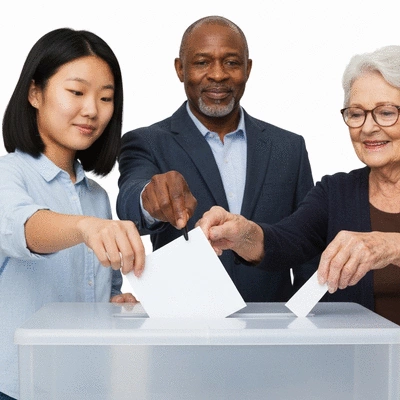
A primary election serves as a critical step in the political process. Here, registered party members vote for their preferred candidate. This can be done through various methods, including secret ballot, mail-in voting, or even open caucuses in some states.
So, why should you care about primaries? Because they’re your chance to weigh in on who will be on the ballot in the general election! Understanding the nuances behind this process allows you to make more informed decisions.
Primary elections play a vital role in the nomination process. Without them, political parties would struggle to present a cohesive candidate to the public. These elections help narrow down the field, giving voters a clear choice come general election time.
By participating in primary elections, you help shape the future of your community and beyond! It’s your opportunity to voice your opinion on which candidates align with your values and vision. For more insight into how decisions are made, consider learning about turning bills into policy.
Open primaries allow any registered voter to participate in the primary election regardless of their party affiliation. This means that independents can weigh in on which candidates make it to the general election. It’s a great way to ensure that a broader range of viewpoints is considered!
This system can lead to exciting dynamics, especially in competitive political landscapes. It’s important to understand if your state employs open primaries to make sure you’re ready to engage!
In contrast, closed primaries require voters to be registered members of a political party to participate in that party's primary. This system ensures that only those who align with the party's values can influence their candidate selection.
Understanding whether your state uses closed primaries is vital for effective participation. This system can significantly affect voter turnout and candidate selection in the general election.
Semi-closed primaries allow unaffiliated voters to participate, while registered party members still have exclusive rights to vote for their candidates. This approach attempts to strike a balance between inclusivity and party integrity.
This blend of inclusion and party integrity is essential for fostering robust political engagement. It’s fascinating to see how these various systems shape the political landscape! To ensure your vote counts, it’s crucial to understand registering to vote in your state.
Superdelegates are a unique aspect of the primary process, particularly in the Democratic Party. These are party leaders and elected officials who are granted the privilege to support any candidate at the national convention, regardless of primary election outcomes.
Understanding the role of superdelegates helps demystify the nomination process, giving you insight into how candidates are ultimately chosen. It’s another layer in the dynamic world of elections!
A primary election is a crucial step in the democratic process where voters select candidates to represent their political party in the subsequent general election. It acts as a preliminary selection process to narrow down the field of potential candidates.
The main types are open primaries (any registered voter can participate regardless of party affiliation), closed primaries (only registered party members can vote in their party's primary), and semi-closed primaries (allow unaffiliated voters to participate, while registered party members vote only for their party's candidates).
Primary elections are vital because they allow voters to influence which candidates will appear on the general election ballot. They help political parties select strong contenders, engage voters in discussions about key issues, and shape the overall political landscape.
Superdelegates are party leaders and elected officials, primarily in the Democratic Party, who can support any candidate at the national convention, regardless of primary election results. Their role is often controversial as they can influence the nomination process independent of popular vote.
To participate, you should first check your voter registration status and ensure it's up to date. Then, research your state’s specific rules regarding primary elections, including deadlines and eligibility. Finally, decide on your voting method (in-person, mail-in, or absentee) and educate yourself on the candidates.
We want to hear from you! How do you feel about the primary election process? Do you think it accurately reflects the will of the people? Share your thoughts below:
Primary elections play a pivotal role in our democratic system, acting as the gatekeepers for candidates who will ultimately appear on the ballot in the general elections. They provide a vital platform for political parties to showcase their candidates and help voters make informed choices. By participating in primaries, voters influence not only who represents their party but also the broader political landscape.

In essence, primary elections foster greater voter engagement and empower citizens to have a say in the candidates that may lead our communities. Understanding their significance helps demystify the electoral process, making it easier for everyday citizens to connect with political actions that impact their lives.
Getting involved in your state’s primaries is crucial, and the process can vary widely from one state to another. Here are some steps to help you participate:
By following these steps, you’ll be well-prepared to engage in the primary process, ensuring your voice is heard. At Next In Office, we believe that informed participation begins with understanding and action!
To help you navigate the primary election landscape, here are some valuable resources:
These resources can further empower you to participate actively in your primary elections and stay informed about the democratic process!
Mail-in and absentee voting are essential options for many voters, especially those who may face challenges in voting in person. Here’s what you need to know:
Utilizing these voting methods can significantly increase voter participation, making it easier for individuals to cast their votes while balancing other commitments. Understanding these processes is part of our mission at Next In Office—to simplify the complex world of elections! For a deeper dive into the final stages of the election, learn about counting and certifying election results.
Here is a quick recap of the important points discussed in the article:

Jordan McClure is a civic education writer and political researcher focused on helping readers better understand elections, candidates, government systems, and public policy. Through clear and balanced explanations, Jordan breaks down complex political topics into practical information that everyday readers can understand. His work emphasizes clarity, factual accuracy, and context over opinion, helping citizens stay informed and navigate political topics with confidence.