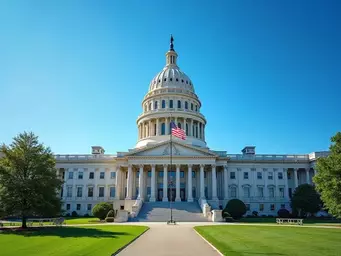
Legislative Branch
- Makes laws
- Approves treaties
- Declares war
Role: Lawmaking
What if you could understand the foundations of your government in just a few key insights? This guide to the separation of powers not only explains how power is distributed among different branches but also empowers you as a citizen to engage more meaningfully with democracy.
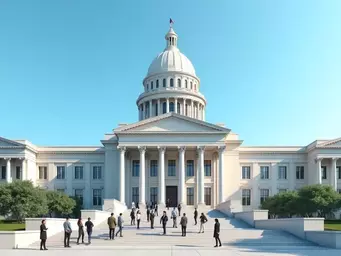
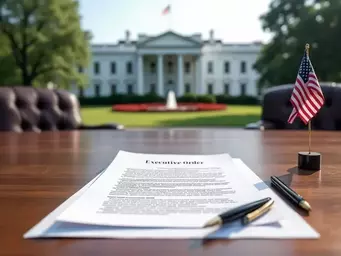
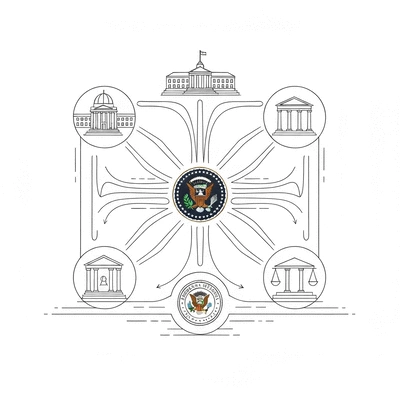
This visual illustrates the foundational components and their interplay within the government's separation of powers.
When we talk about separation of powers, we're diving into a core principle that shapes the way our government operates. It’s all about dividing power among different branches to prevent any one from becoming too powerful. This concept is essential for ensuring that our democracy remains balanced and fair, allowing citizens to have a voice in how they’re governed.
At its heart, the separation of powers means that we have distinct branches of government, each with its own responsibilities and powers. This system not only fosters accountability but also protects the rights and freedoms of the people. So, let's break down what this principle really entails, including how it impactsunderstanding US election processes.
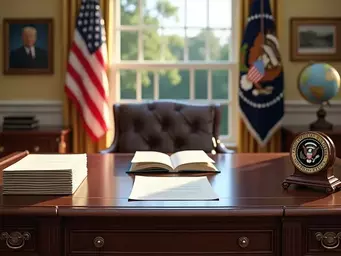
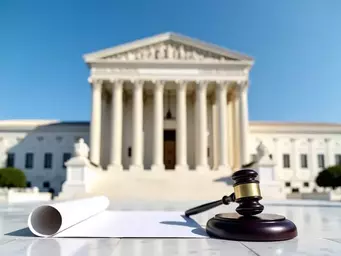
The separation of powers refers to the division of government responsibilities into three distinct branches: legislative, executive, and judicial. Each branch has its own unique functions aimed at ensuring that no single entity holds unchecked power. Here’s a quick overview of what each branch does:
This structure not only provides a framework for governance but also encourages a system of checks and balances. By clearly defining the roles of each branch, we ensure that they can monitor and restrict one another's powers effectively.
The importance of separation of powers cannot be overstated. It serves as a safeguard against tyranny and authoritarianism. When power is distributed among various branches, it reduces the risk of abuse and promotes transparency in governance. This principle is particularly crucial for citizens, as it protects their rights and maintains the integrity of our democratic system.
Moreover, understanding how these branches operate helps us engage more meaningfully with the political process. We can better appreciate how laws are created and enforced, and how we, as citizens, can hold our leaders accountable. The implications are profound—when we grasp the structure of our government, we become more informed participants in our democracy!
The concept of separation of powers wasn’t born overnight. It was heavily influenced by the ideas of French philosopher Montesquieu. In his work, “The Spirit of the Laws,” he argued that political liberty is best protected when the government is divided into separate branches. This idea resonated deeply with the Founding Fathers of the United States as they drafted the Constitution.
Montesquieu’s vision highlighted the need for a system where each branch could limit the powers of the others, ensuring freedom and preventing the rise of despotism. His contributions remind us that the principles guiding our government are rooted in rich intellectual history—something that Next In Office strives to illuminate for our readers.
Understanding the separation of powers is just the beginning; it’s also essential to know what each branch does and how they work together. Let's delve into the three branches of government and their specific roles.
To truly understand the separation of powers, take the time to engage with each branch of government. Visit your local legislative sessions, attend town hall meetings for the executive branch, and observe court proceedings to see how these entities operate in real time. This firsthand experience can deepen your appreciation of democracy in action!
Understanding the separation of powers is crucial for grasping how our democracy functions. This principle plays a vital role in preventing any one branch of government from gaining too much power. By ensuring that legislative, executive, and judicial functions are divided, we uphold a system that encourages accountability and protects individual rights. This framework is not just an abstract concept; it's the backbone of our democratic values!
Separating powers keeps the government in check, allowing citizens to have a voice in their governance. When we think about our freedoms and rights, it’s clear that without this separation, we could easily find ourselves under the thumb of tyranny. Hence, understanding this system is essential for all of us as active participants in our democracy, helping us engage more effectively with topics like researching candidates before you vote.
The separation of powers functions as a guardrail for democracy, ensuring that no single entity can dominate the political landscape. It helps distribute authority across multiple branches, which is vital for maintaining a balanced government. Here’s how this principle supports democracy:
This system not only enhances governance but also fortifies the rights of citizens. When we engage with our government, it’s this structure that allows us to hold our leaders accountable!

Civic engagement starts with knowledge. The more we understand the structure of our government, including the separation of powers, the better equipped we are to participate. When citizens know how each branch operates, they can advocate more effectively for their interests.
By grasping how our government works, we empower ourselves and encourage others to do the same. This is what Next In Office is all about—making complex political topics clearer and more accessible!
Federalism adds another layer to the separation of powers, as it divides authority between national and state governments. This dual system creates a complex yet effective governance model. Here are a few ways federalism influences the separation of powers:
This interplay is vital for ensuring a responsive and accountable government. As we navigate our civic responsibilities, recognizing the role of federalism helps us understand the full picture of how our democracy operates.
Now that we’ve explored the significance of the separation of powers, it’s time to put that knowledge into action! Engaging with your government isn’t just a right; it’s a responsibility. By staying informed and proactive, you can make a real difference in your community.
At Next In Office, we provide resources that help demystify government processes. Our election guides, candidate profiles, and policy explainers are designed to empower you with the knowledge you need to navigate the political landscape.
We believe that informed citizens are the cornerstone of a healthy democracy, and we’re here to support that journey!
Keeping up with current events is essential for understanding how the separation of powers operates in real-time. By monitoring the news, you can see how different branches interact and respond to emerging challenges.
Becoming an informed citizen is a crucial step in holding our leaders accountable and advocating for your rights!
Political accountability is a fundamental aspect of the separation of powers. Each branch must answer to the public, ensuring that they act in the best interest of the people. Here’s how you can engage with political accountability:
Engaging in these activities ensures that our government remains transparent and responsive to the needs of the people. At Next In Office, we’re committed to helping you navigate these processes with clarity and confidence!
Here is a quick recap of the important points discussed in the article:

Jordan McClure is a civic education writer and political researcher focused on helping readers better understand elections, candidates, government systems, and public policy. Through clear and balanced explanations, Jordan breaks down complex political topics into practical information that everyday readers can understand. His work emphasizes clarity, factual accuracy, and context over opinion, helping citizens stay informed and navigate political topics with confidence.