Chief Executive Responsibilities
Overseeing the executive branch, appointing department heads, and managing state agencies.
Legislative Role & Veto Power
Signing bills into law, proposing legislation, and exercising veto power.

What if your understanding of state governance could empower you to make a difference in your community? By grasping the pivotal role of a governor, you can better navigate political discussions and participate meaningfully in local democracy.
The governor's role is crucial in shaping state governance. They serve as the chief executive, implementing laws and policies that directly affect residents' lives. From managing the state budget to leading emergency responses, governors wield significant power that influences every aspect of state management. Their ability to represent the state, engage with the community, and work with the legislative branch underscores their importance in ensuring a well-functioning government. Understanding the governor's influence can also shed light on broader political structures, such as understanding a senator's role in the legislative process.
Overseeing the executive branch, appointing department heads, and managing state agencies.
Signing bills into law, proposing legislation, and exercising veto power.
Managing the state budget and determining funding allocations for programs.
Appointing individuals to state agencies, boards, and judicial positions.
Acting as commander-in-chief of the State National Guard during crises.
Representing the state in public forums and advocating for its interests.
When we talk about state governance, one of the most crucial figures is the governor. A governor is the chief executive officer of a state, responsible for enforcing state laws, overseeing the executive branch, and representing the state in various functions. Now, you might be wondering why this role is so significant. A governor plays a pivotal role in shaping state policy and ensuring the smooth operation of the state's government, making them a key player in the lives of citizens.
A governor is not just a title; it's a position that carries significant weight in state government. They serve as a bridge between the state legislature and the public, ensuring that the interests and needs of the citizens are addressed. Understanding the role of a governor helps us appreciate how our state operates and the impact these leaders have on our daily lives.
So, what exactly does a governor do? Their responsibilities are diverse and encompass various aspects of governance. Here are the core duties that define the role of a governor:
As the chief executive, the governor is responsible for implementing state laws and overseeing the executive branch. This involves appointing department heads, managing state agencies, and ensuring that laws passed by the legislature are executed effectively. Imagine it as being the captain of a ship—without a strong leader at the helm, navigating the complexities of governance can be challenging! This executive oversight is critical for the everyday functioning of the state, much like presidential duties in daily life impact national governance.
Governors have a significant role in the legislative process. They can sign bills into law, propose new legislation, and exert their veto power against bills they disagree with. This interaction with the legislature ensures that the governor's vision for the state is reflected in the laws that govern us. By understanding this power, citizens can better appreciate how their state laws come into being.
One of the governor's critical responsibilities is managing the state budget. They play a vital role in determining funding allocations for various programs and services. This duty not only requires a keen understanding of financial management but also the ability to prioritize needs based on constituents' requests and state priorities.

The governor also has the authority to appoint individuals to various state agencies, boards, and even judicial positions. This power is crucial because it shapes the leadership within the government and influences how policies are executed. By choosing the right people for these roles, a governor can steer the state towards their strategic vision.
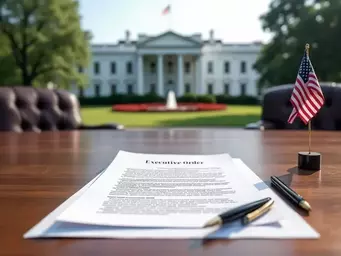
In times of crisis, the governor acts as the commander-in-chief of the State National Guard. This role comes into play during natural disasters or public safety emergencies, where swift executive actions are necessary. Using executive orders, governors can mobilize resources and implement measures that protect citizens and ensure public safety.
Governors serve as the face of the state, representing it in various public forums and during federal interactions. They engage with the media, advocate for their state's interests, and build relationships that can benefit their constituents. This aspect of the role is essential for fostering trust and transparency between the government and the public.
Lastly, governors are tasked with providing services to constituents and engaging with the community on various issues. Whether it's through town hall meetings, community events, or direct outreach, governors strive to connect with citizens and address their concerns. This connection helps ensure that the government remains responsive and accountable. Engaging with constituents is vital for all elected officials, much like researching candidates before you vote is essential for informed participation.
To truly engage with your state governance, consider attending local government meetings or town halls. These events provide you with the opportunity to hear directly from your governor and other officials about current initiatives and challenges. Plus, it's a great way to voice your concerns and suggestions, ensuring your voice is part of the conversation that shapes state policies.
A1: The primary role of a state governor is to serve as the chief executive officer of the state. This involves enforcing state laws, overseeing the executive branch, and representing the state in various capacities.
A2: Governors influence state laws by signing bills into law, proposing new legislation, and using their veto power against bills they do not approve of. This interaction with the legislature shapes the legal framework of the state.
A3: During emergencies, governors act as the commander-in-chief of the State National Guard. They are responsible for taking swift executive actions, mobilizing resources, and implementing measures to protect public safety and respond to crises.
A4: A governor plays a critical role in managing the state budget by determining funding allocations for various state programs and services. This involves strategic financial management and prioritizing needs to ensure effective use of state resources.
A5: Public representation is crucial for a governor because they serve as the face of the state. They engage with the media, advocate for the state's interests in public and federal forums, and build relationships that foster trust and transparency between the government and its citizens.
The role of a governor is crucial in shaping state governance. They serve as the chief executive, implementing laws and policies that directly affect residents' lives. From managing the state budget to leading emergency responses, governors wield significant power that influences every aspect of state management. Their ability to represent the state, engage with the community, and work with the legislative branch underscores their importance in ensuring a well-functioning government.
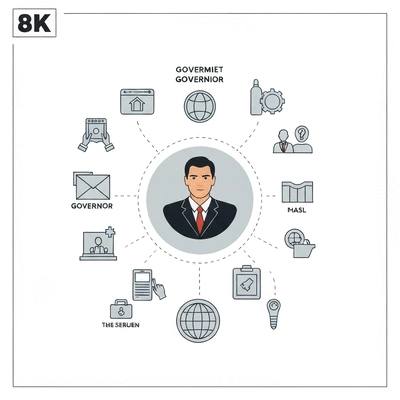
In summary, a governor’s responsibilities can be broken down into key areas such as:
As you can see, the governor’s role is multifaceted, directly impacting how states operate and respond to the needs of their citizens. By understanding these functions, we can appreciate the complexity of state governance and the pivotal role these leaders play in our daily lives.
At Next In Office, we believe that informed participation is the cornerstone of a healthy democracy. Learning about your state's governance empowers you to engage in the political process actively. Whether it's voting in elections or attending town hall meetings, your involvement matters! I encourage you to take the time to discover more about your state's governance structure and how you can contribute to making it better.
If you’re eager to explore more about local governance, here are some excellent starting points:
These resources can help deepen your understanding and inspire greater engagement with civic matters. Remember, even small actions can lead to significant changes in our communities!
For those looking to enrich their knowledge about state governance, I recommend the following resources:
These links will connect you to valuable insights and data about your state’s governance, helping you navigate the complexities of political engagement.
One aspect of governance that often gets overlooked is the relationship between state governors and local governments. These interactions are vital for effective policy implementation and community engagement. State initiatives often have a cascading effect on local governance, shaping everything from funding priorities to program execution at the community level. To better understand this, consider how various US election processes contribute to the selection of officials who then engage in these intergovernmental relations.
By understanding these intergovernmental relations, you can better appreciate how state decisions impact your local community. This knowledge encourages informed discussions and helps you advocate for initiatives that benefit your neighborhood. Let's work together to ensure our local voices are heard in the halls of state power!
Here is a quick recap of the important points discussed in the article:

Jordan McClure is a civic education writer and political researcher focused on helping readers better understand elections, candidates, government systems, and public policy. Through clear and balanced explanations, Jordan breaks down complex political topics into practical information that everyday readers can understand. His work emphasizes clarity, factual accuracy, and context over opinion, helping citizens stay informed and navigate political topics with confidence.