What Defines a Third-Party Candidate?
- ‣ Independent Candidates
- ‣ Minor Party Candidates
- ‣ Write-In Candidates

What if the next election could offer you more than just the typical choices? By exploring the role of third-party candidates, you might find perspectives that resonate with your values and spark critical discussions!
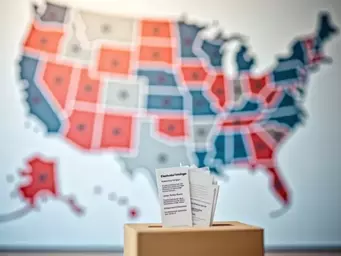
Third-party candidates play a vital role in U.S. politics by introducing new ideas and challenging the status quo. Below is a visual summary of their definition, influence, and examples.
When we dive into the world of U.S. elections, a familiar yet often misunderstood topic arises: third-party candidates. These individuals run for office outside of the two dominant political parties, which are the Democrats and Republicans. Understanding their role and significance can illuminate the complexities of our political system, helping us appreciate the broader landscape of voter options.
So, what exactly constitutes a third-party candidate? In simple terms, it’s anyone running for a political office who isn’t affiliated with one of the two major parties. This includes candidates from various smaller parties or even independent candidates who choose to run without a party label. The essence of third parties is to introduce alternative viewpoints and ideas, offering voters different options to express their political preferences.

To clarify further, let’s break down what we mean by third-party candidates. Here are a few key points:
These categories highlight the diversity within third-party candidates, each bringing unique perspectives to the table. This variety is crucial for enriching the political dialogue, pushing the major parties to address issues they might otherwise overlook.
In contrast to major political parties, third parties often struggle with visibility and influence. Major parties have established infrastructures, funding sources, and a history of electoral success that third parties typically lack. This difference can be likened to a popular band versus an indie artist; while both may produce quality music, the mainstream act often has more resources at its disposal. Understanding these dynamics is vital for voters who want to navigate the complexities of their choices in elections.
Third-party candidates play a significant role in shaping political discourse in America. Their presence often brings attention to specific issues that may not be on the mainstream agenda. For instance, candidates from third parties advocate for topics like environmental policies, social justice, and electoral reforms, encouraging traditional parties to adopt these issues into their platforms.
One important function of third-party candidates is to challenge the status quo, prompting voters to think critically about their choices and the implications of those choices. This is where platforms like Next In Office come into play, helping readers understand these candidates and the ideas they represent, empowering them to make informed decisions. Before heading to the polls, you might want to learn about understanding US election processes to better grasp how these candidates fit into the broader system.
These candidates can change the conversation around key issues in many ways:
Each of these aspects highlights the necessity of understanding third-party candidates, not just as challengers but as vital contributors to our democratic process.
Throughout U.S. history, we’ve seen notable third-party candidates leave their marks on elections:
Each of these candidates has helped to highlight critical issues and changed the way voters engage with politics. Through their influence, they remind us that every vote matters, and every voice deserves to be heard.
Two of the most prominent third parties in the U.S. are the Green Party and the Libertarian Party:
Both parties contribute to a broader spectrum of political thought and encourage voters to consider a wider range of values and priorities during elections.
As we reflect on the influence of third-party candidates, we want to hear your thoughts! Which third-party candidate has had the most significant impact on your perspective about politics? Share your thoughts below:
A: A third-party candidate is an individual running for political office who is not affiliated with the two dominant political parties (Democrats or Republicans). This includes independent candidates and members of smaller political parties.
A: Third-party candidates are vital because they introduce new ideas, challenge the status quo, represent diverse ideologies, and encourage greater voter engagement. They often bring attention to issues that major parties might overlook, enriching political discourse.
A: Third parties can influence major parties by raising awareness about specific issues, which can prompt major parties to adopt similar platforms to attract a broader voter base. They push for critical discussions and can shift the focus of political discourse.
A: While it is challenging due to established infrastructures and funding of major parties, third-party candidates can win elections, particularly at local levels. Historically, some have achieved notable electoral success or significantly influenced presidential races, like Ross Perot.
A: Two prominent third parties in the U.S. are the Green Party, which focuses on environmental and social justice issues, and the Libertarian Party, known for its emphasis on individual liberties and minimal government intervention.
As we delve deeper into the world of U.S. politics, it's essential to recognize the significant role third-party candidates play within our two-party system. While the major parties dominate the landscape, third parties contribute to the political narrative by introducing fresh ideas and perspectives. Their presence encourages debate, challenges traditional views, and ultimately, helps to diversify the political discourse.
Moreover, highlighting the importance of third parties sends a message to the major parties that voters are seeking alternatives. This can lead to changes in policy and platform positions as major parties respond to shifting public interests. Understanding this dynamic is crucial for us as engaged citizens!
In a landscape often overshadowed by the two major parties, third parties serve as a critical outlet for diverse viewpoints. Here are a few reasons why they matter:
By acknowledging the contributions of third-party candidates, we enrich the overall political landscape and foster a more inclusive democracy!
One of the most vital aspects of third parties is their ability to engage voters who might feel disenfranchised by the major parties. When we explore the ideas proposed by third parties, we often discover:
Engaging with third-party platforms can empower us as voters, reminding us that our voices matter. The more we explore these options, the more we take an active role in shaping our political future!
Civic engagement goes beyond voting; it's about being an informed citizen. Third-party candidates often emphasize the importance of political participation, urging us to:
Engaging with local issues and candidates helps foster a sense of community and connection to the political process. By participating actively, we not only enhance our understanding of government systems but also contribute to the democratic process! For those looking to delve deeper into civic duties, exploring resources like registering to vote state guide is a great next step.
Now that we’ve established the importance of understanding third-party candidates, it’s time to take action! Engaging in political discourse and researching candidates can set the foundation for informed voting. Let’s take a deeper look into how we can make a difference!
Engaging in conversations about politics not only broadens our perspectives but also promotes a more informed electorate. Here’s how you can get started:
By actively participating in political discourse, we can elevate the conversation around important issues, including the role of third parties!
Your vote is your voice! It's essential to consider the impact of your choices in elections. Whether you choose a major or third-party candidate, each vote contributes to shaping our political landscape.
Remember, even if your candidate doesn’t win, your participation can influence future elections and policy discussions. Every vote matters!
Understanding the political spectrum helps us appreciate the diverse ideologies that exist. Take the time to:
By broadening our knowledge, we can engage in meaningful conversations and make informed decisions during elections!
Here is a quick recap of the important points discussed in the article:

Jordan McClure is a civic education writer and political researcher focused on helping readers better understand elections, candidates, government systems, and public policy. Through clear and balanced explanations, Jordan breaks down complex political topics into practical information that everyday readers can understand. His work emphasizes clarity, factual accuracy, and context over opinion, helping citizens stay informed and navigate political topics with confidence.