Decoding Public Sector Budgets

Have you ever considered how government spending shapes your daily life? Understanding the intricacies of where your tax dollars go is not just an academic exercise; it’s essential for engaging with your community and advocating for its needs.
What You Will Learn
- Government spending is essential for funding public services, infrastructure, and social programs that affect everyday life.
- Understanding federal, state, and local spending helps clarify how various levels of government address community needs.
- The distinction between mandatory and discretionary spending is critical for recognizing where budget changes can occur.
- Key expenditure areas include Social Security, Medicare, and defense, each significantly impacting citizens' welfare.
- Grasping government expenditures fosters a well-informed electorate, enabling better voting and advocacy decisions.
- Engaging with local governance through meetings and forums allows citizens to voice concerns and influence decisions.
Government Spending: Categories and Impact
This visual breaks down the different categories of government spending and their overarching impact on the economy, highlighting key distinctions and effects. To gain a deeper understanding of economic principles, you might find our article on understanding fiscal policy basics particularly helpful.
Government Spending Categories
Federal Spending
- National Defense
- Social Security
- Medicare
State & Local Spending
- Education Funding
- Health Services
- Public Safety
Mandatory Spending
- Social Security
- Medicare
- Medicaid
Discretionary Spending
- Defense Budgets
- Education Funds
- Infrastructure Projects
Impact on Economic Growth
Positive Impacts
- Job Creation
- Improved Infrastructure
- Enhanced Public Services
Negative Impacts
- Budget Deficits
- Inflation
- Economic Downturns
Understanding Government Spending: A Comprehensive Overview
Government spending refers to the total expenditure made by the government to meet its budgetary obligations. This includes a wide range of expenses, from salaries for public employees to funding for social programs and infrastructure projects. Understanding government spending is crucial because it impacts everything from economic stability to the delivery of essential services that citizens rely on daily.
In a way, think of government spending as the lifeblood of our economy. It circulates funds that drive local businesses, support public services, and ensure that our communities thrive. Without a clear grasp of how these funds are allocated, it's nearly impossible for citizens to engage meaningfully in discussions about public policy or hold their representatives accountable.
What is Government Spending?
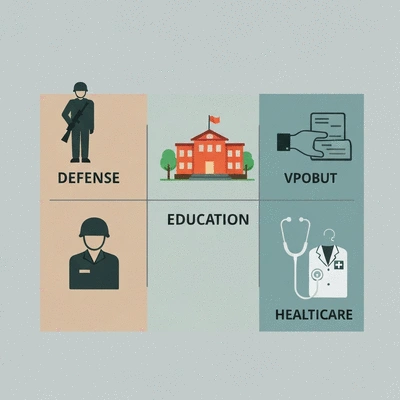
At its core, government spending encompasses all expenditures made by federal, state, and local governments. This spending is funded primarily through tax revenues and is essential for maintaining public services and infrastructure that support our society. Topics like public education, healthcare, and defense are all supported by government spending, making it a foundational aspect of our economy.
- Public Education
- Infrastructure Development
- Healthcare Services
- Social Security Programs
Each of these areas significantly impacts our daily lives. For instance, without government investment in education, we wouldn't have the schools that prepare our children for the future. Consequently, a well-informed public can actively participate in discussions surrounding budget allocations and advocate for their community’s needs.
The Importance of Grasping Government Expenditures
Understanding government expenditures is vital for every citizen, especially taxpayers who contribute to these funds. When you grasp where your tax dollars are going, you can better assess whether those expenditures align with your community's needs and values. This awareness helps foster a well-informed electorate, which is essential for a healthy democracy.
- Informed Voting: Knowing how spending affects you allows for more informed voting decisions.
- Community Advocacy: Understanding expenditures enables you to advocate for necessary changes in your community.
- Holding Officials Accountable: An informed public can hold elected officials accountable for their spending decisions.
Moreover, with the complexities of government budgets, having a solid grasp of these concepts can empower you to engage more meaningfully in local and national debates regarding fiscal policy. At Next In Office, we believe that an informed citizenry is crucial for creating a government that truly serves its people. For insights into holding officials accountable, consider exploring resources on campaign finance and its impact.
Categories of Government Spending: An In-Depth Analysis
When discussing government spending, it's helpful to categorize it for easier understanding. Broadly, expenditures can be divided into federal versus state and local spending, as well as mandatory versus discretionary spending. By breaking down these categories, we can gain a clearer picture of how our government allocates resources and serves its citizens.
Understanding these categories is not just an exercise in numbers; it has real implications for how services are delivered and funded. As we dive into these distinctions, think about how they impact your life and the community you live in.
Federal vs. State and Local Spending
Federal spending typically covers a wide range of programs and initiatives that impact the nation as a whole, such as defense, foreign aid, and social welfare programs. In contrast, state and local governments focus on more localized needs, including public education, law enforcement, and infrastructure maintenance.
- Federal Spending: National defense, Social Security, Medicare
- State Spending: Education funding, health services, transportation systems
- Local Spending: Public safety, parks and recreation, housing services
Understanding these distinctions helps you realize how government spending at different levels can either complement or conflict with one another. This is important for advocating for policies that best serve your community and ensuring that resources are allocated efficiently.

Mandatory vs. Discretionary Spending: What’s the Difference?
Government spending can also be categorized into mandatory and discretionary spending. Mandatory spending refers to expenditures that are required by law, such as Social Security and Medicare. These are not subject to annual budgeting and are often difficult to change.
- Examples of Mandatory Spending: Social Security, Medicare, Medicaid
- Discretionary Spending: Defense budgets, education funds, infrastructure projects
On the other hand, discretionary spending is determined through the annual budget process and can be adjusted based on priorities and economic conditions. This distinction is crucial for understanding where potential cuts or increases can happen in the budget, making it a vital topic for informed citizens.
Key Areas of Expenditure: Where Does the Money Go?
When we look closely at government expenditures, several key areas emerge as major recipients of funding. These include Social Security, Medicare, Medicaid, defense, and public welfare programs. Understanding how much is allocated to each of these areas can provide valuable insights into government priorities and the services available to citizens.
- Social Security: A safety net for retirees and disabled individuals
- Medicare: Health insurance for seniors
- Medicaid: Health services for low-income individuals
- Defense: Ensuring national security
- Public Welfare: Support for the needy and vulnerable populations
These areas represent significant portions of government budgets and directly affect various aspects of our daily lives. By understanding where the money goes, we can better engage with the systems that govern us and push for the necessary reforms.
Understanding Public Expenditure and Its Impact on Economic Growth
Public expenditure plays a crucial role in influencing overall economic growth and stability. Investments in infrastructure, education, and healthcare can stimulate job creation and enhance productivity, ultimately leading to a robust economy. Conversely, inefficient spending can lead to budget deficits and economic instability.
- Positive Impacts: Job creation, improved infrastructure, enhanced public services
- Negative Impacts: Budget deficits, inflation, economic downturns
By understanding the relationship between spending and economic growth, we can advocate for policies that promote sustainable development and ensure that government investments yield the best possible outcomes for our communities.
Pro Tip
To truly understand the implications of government spending, consider tracking the budget proposals of your local representatives. By examining their priorities, you can assess whether they align with your community's needs and advocate for more effective fiscal policies.
Frequently Asked Questions About Government Spending
Q1: Why is it important for citizens to understand government spending?
A1: Understanding government spending is crucial because it directly impacts economic stability, the delivery of essential public services, and allows citizens to engage meaningfully in public policy discussions and hold representatives accountable.
Q2: What is the difference between federal, state, and local government spending?
A2: Federal spending covers nationwide programs like defense and social welfare. State spending focuses on needs like education and healthcare within a state. Local spending addresses community-specific services such as public safety and parks.
Q3: What is the distinction between mandatory and discretionary spending?
A3: Mandatory spending is legally required for programs like Social Security and Medicare, not subject to annual budgeting. Discretionary spending is determined annually through the budget process and can be adjusted based on government priorities.
Q4: What are the main areas where government funds are spent?
A4: Key expenditure areas include Social Security, Medicare, Medicaid, defense, public welfare programs, education, and infrastructure projects.
Q5: How can citizens engage with their government regarding spending?
A5: Citizens can engage by staying informed, attending town hall meetings or community forums, advocating for transparency, and holding elected officials accountable for their spending decisions.
Summarizing the Key Takeaways on Government Spending
As we reflect on our discussion about government spending, it's clear that understanding this topic is crucial for every citizen. We explored the various categories of expenditures, including federal versus state and local spending, and examined the differences between mandatory and discretionary spending. These distinctions highlight how funds are allocated and the responsibilities of different government levels.
It's also important to recognize the key areas where taxpayer dollars go, such as Social Security, Medicare, and defense spending. By grasping these concepts, we empower ourselves to engage more effectively with our representatives and advocate for our communities.
- Understanding the types of government spending helps us advocate for our needs.
- Recognizing how money is allocated can influence our voting decisions.
- Awareness of spending trends enables informed discussions about fiscal policies.
In essence, the information we’ve covered equips us to navigate the complex landscape of government finance with confidence and clarity.
Engaging with Your Government: What You Can Do
Now that we have a better understanding of government spending, it's time for us to step up and engage! Staying informed is vital, and I encourage you to participate in discussions about government spending and budgeting. By doing so, you contribute to a more informed electorate and help shape policies that reflect our community's needs.
One way to engage is by attending town hall meetings or community forums. These gatherings allow you to voice your concerns and ask questions directly to your elected officials. Remember, your participation can make a difference!
Further Resources for Budget Literacy
If you're eager to dive deeper into understanding government finances, there are numerous resources available to help you. Here are a few valuable links:
These resources can help you stay informed and navigate the complexities of government spending.
Stay Updated: Why Following Spending Trends Matters
It's crucial to remain aware of changes in government spending and budgeting policies. Keeping up with these trends gives you insight into how your tax dollars are being spent and the priorities of your government.
Consider subscribing to newsletters or following credible news sources that cover economic and fiscal policy. By doing so, you’ll be better prepared to engage in meaningful conversations about government accountability and priorities.
The Importance of Government Accountability in Spending Practices
Finally, accountability and transparency in government spending practices are essential for ensuring that funds are used effectively. When government officials are held accountable for their spending decisions, it fosters trust and confidence in public institutions.
Advocating for improved transparency measures, such as open data initiatives, can empower citizens to scrutinize government expenditures. By demanding accountability, we can help ensure that resources are allocated where they are most needed, ultimately benefiting our communities. For more on holding officials accountable, read about how government leaders make decisions.
Recap of Key Points
Here is a quick recap of the important points discussed in the article:
- Government spending is essential for funding public services such as education, healthcare, and infrastructure.
- Understanding the distinction between federal, state, and local spending helps citizens advocate for their community's needs.
- Mandatory spending, such as Social Security and Medicare, differs from discretionary spending, which can be adjusted annually.
- Recognizing where tax dollars go empowers informed voting and public accountability.
- Engaging with local government through town halls and community forums fosters a more informed electorate.
Jordan McClure
Jordan McClure is a civic education writer and political researcher focused on helping readers better understand elections, candidates, government systems, and public policy. Through clear and balanced explanations, Jordan breaks down complex political topics into practical information that everyday readers can understand. His work emphasizes clarity, factual accuracy, and context over opinion, helping citizens stay informed and navigate political topics with confidence.