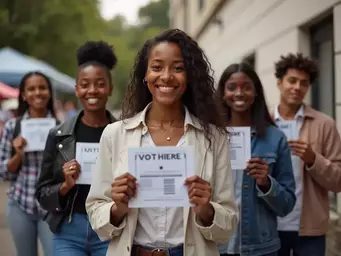
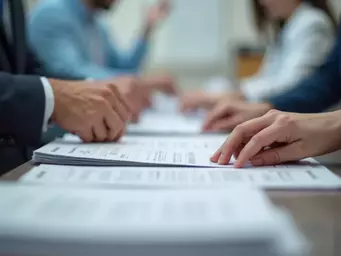
Polling Place Opening & Setup
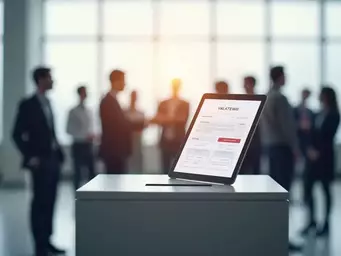
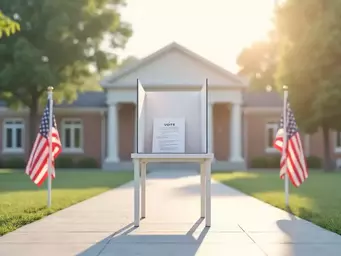
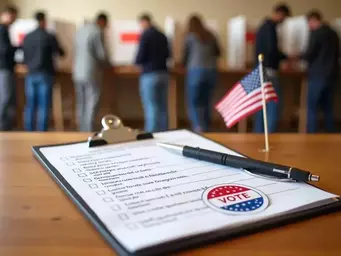
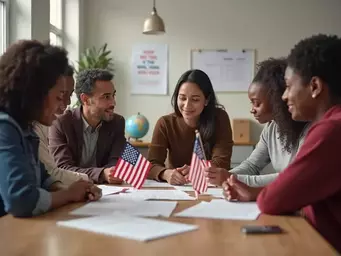
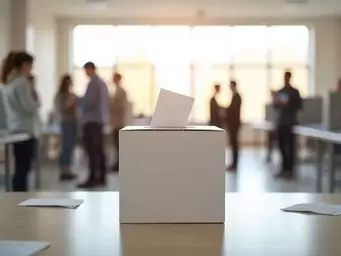
Election officials prepare equipment and ballots early in the morning before voters arrive. This ensures a smooth start to the day.
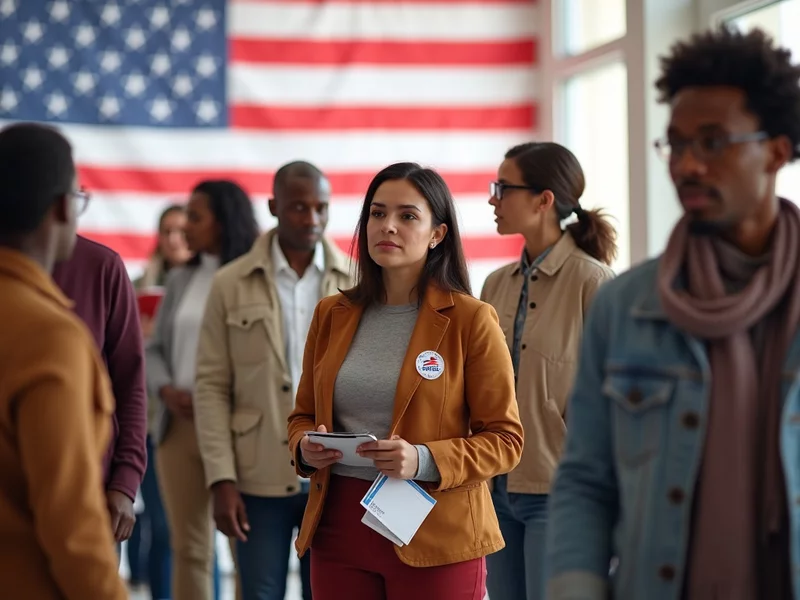
As you prepare for Election Day, consider this: how well do you understand the voting process? Knowing what to expect can significantly enhance your experience at the polls. Let’s break down the essentials!
This visual guide outlines the key procedures and actions involved in the Election Day process, from arrival at the polling place to casting your ballot. For a broader understanding of how elections work, you might find our article on understanding US election processes helpful.
As you prepare for Election Day, it's essential to know what to expect. The experience can be daunting if you're new to voting or unsure about the process. So, let’s break it down! The first steps you'll take upon arriving at the polling place set the tone for your entire voting experience.

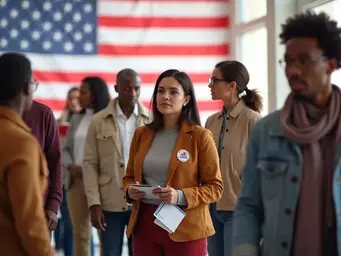
When you arrive at the polling station, the first thing to keep in mind is the ID requirements. Most states will require you to present some form of identification. Don't worry; this is just to ensure that everyone can vote fairly!
Next, you’ll go through the check-in procedures. This typically involves signing in on a voter registration list or using an electronic check-in system. If you’re not already registered, don’t despair! Many states offer same-day registration, so check if this option is available in your area. You can find more information on registering to vote in your state through our comprehensive guide.
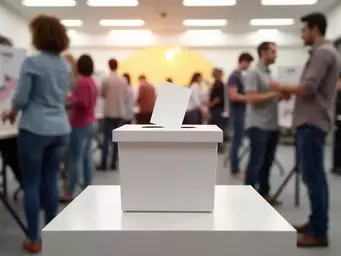
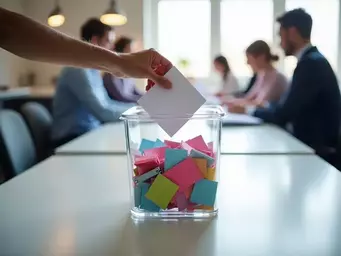
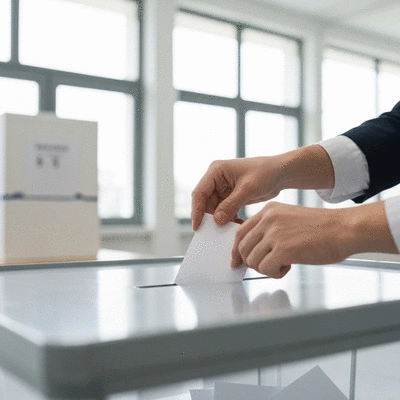
Once checked in, you’ll be directed to cast your ballot. This process can vary by location, but knowing the basics can help ease any nerves. First, you will either receive a paper ballot or be directed to a voting machine.
Remember, your vote is your voice, so it’s crucial to ensure that your selections are accurately recorded. If you run into any issues, election officials are available to assist!
Now, let’s look at the critical procedures that occur on Election Day. From polling place setup to the closing of polls, each step plays a vital role in ensuring a smooth voting experience.
Understanding these steps can help demystify the process and give you confidence as you participate in our democracy!
Election Day is not just about casting your ballot; it includes a series of essential processes that ensure the election runs smoothly. Let’s delve into the intricate workings behind it!
We want to hear from you! What aspect of the Election Day process do you find most important? Select one of the options below:
Most states require a driver's license, state ID, or passport. It's best to check your specific state's requirements before Election Day. Some states may offer provisional ballots if you don't have ID.
Many states offer same-day voter registration. Check if this option is available in your area. If not, you may need to register in advance of Election Day.
You will either receive a paper ballot to mark and submit, or you will be directed to a voting machine to make your selections. Follow the instructions carefully for either method.
If you make a mistake on a paper ballot, you can usually ask an election official for a new one. On a voting machine, you can typically review and change your selections before finalizing your vote.
Election officials are present at polling places to monitor the process, ensure fairness, and assist voters. There are also often poll watchers from political parties or non-partisan groups observing the process.
As we wrap up our exploration of Election Day, it's crucial to recap the essential steps involved. From arriving at your polling place to casting your ballot, every action you take contributes to our democracy. Understanding these steps not only empowers you but also reinforces the significance of participating in the electoral process!
Each of these steps is vital! When you participate, you're not just voicing your opinion—you're engaging in a fundamental right that shapes your community and the nation. The democratic process thrives when informed citizens like you play an active role in elections.
At Next In Office, we believe that informed participation is key to a strong democracy. I encourage you to take the next step in your civic journey by educating yourself further about voting rights and the electoral system. Knowledge is power, and understanding your rights helps ensure that you can advocate for yourself and others!
By taking these steps, you'll not only strengthen your own understanding but also encourage others to join in. It’s all about fostering a more informed and engaged electorate! Remember, every vote counts, and together we can make a difference in our communities.
Here is a quick recap of the important points discussed in the article:

Jordan McClure is a civic education writer and political researcher focused on helping readers better understand elections, candidates, government systems, and public policy. Through clear and balanced explanations, Jordan breaks down complex political topics into practical information that everyday readers can understand. His work emphasizes clarity, factual accuracy, and context over opinion, helping citizens stay informed and navigate political topics with confidence.