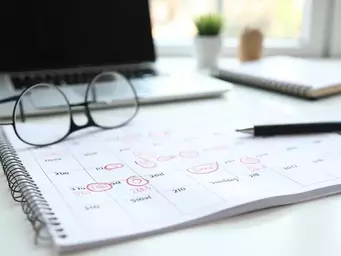
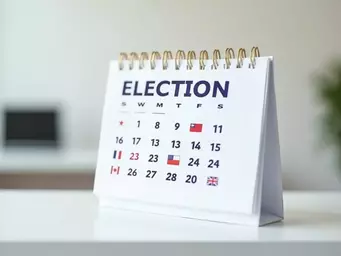
Step 1Voter Registration Deadlines
- • Check state election websites.
- • Set calendar reminders.
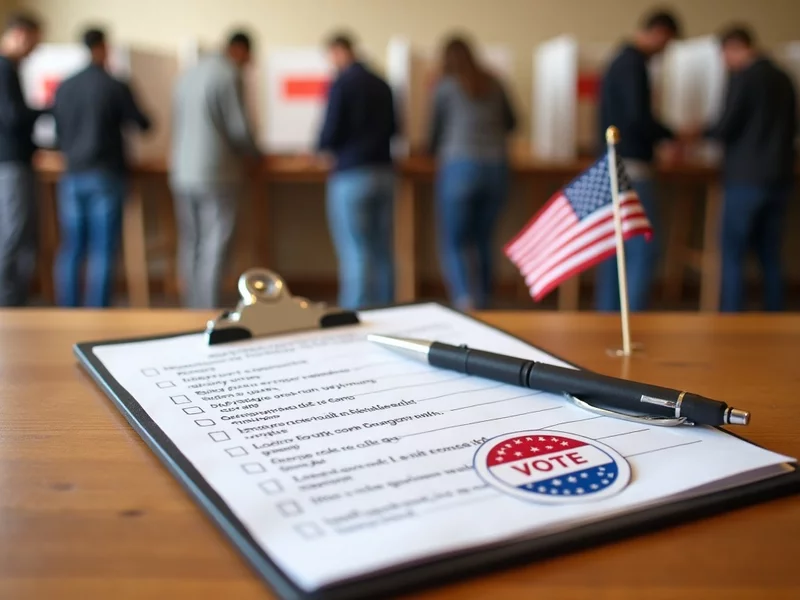
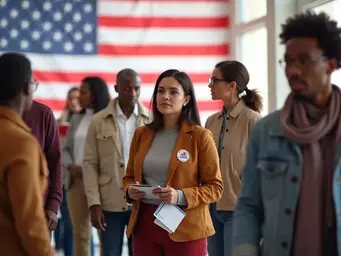
As Election Day approaches, many people feel the weight of preparation. Did you know that a well-structured checklist can transform uncertainty into confidence? By understanding the essential components of your voting journey, you can ensure that your voice is heard loud and clear this electoral season.
This visual guide breaks down the critical steps for a smooth and confident voting experience, ensuring you're fully prepared to make your voice heard. For more details on the voting process itself, explore our article on understanding US election processes.
Preparing for Election Day can be a daunting task, but having a clear checklist can make all the difference! Knowing what to expect and how to navigate the voting process simplifies the experience, ensuring you're ready to make your voice heard. Let’s break down the essential components that will help you approach Election Day with confidence.
Each state has its own voter registration deadlines, and it’s crucial to stay informed about these dates. For instance, some states allow registration up to the day of the election, while others require you to register weeks in advance. You can easily check your state’s deadlines through official election websites or local election offices. For a comprehensive guide, refer to our article on registering to vote: a state guide.
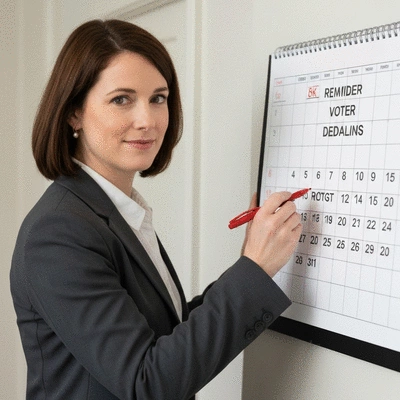
By staying on top of these deadlines, you ensure that you can participate in the election without any hitches. Remember, being informed is the first step towards effective participation!
Finding your polling place and knowing when it’s open are key to a smooth voting experience. Most polling locations open early in the morning and close in the evening, but these hours can vary by state. To ensure you don’t miss out, make sure to check your local polling place details beforehand.
Understanding where and when to vote not only saves you time but also reduces stress on Election Day. It’s all about being prepared!
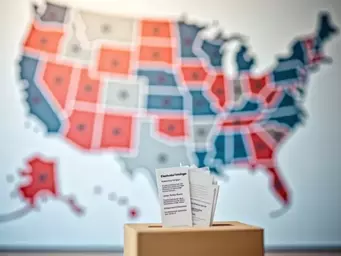
Did you know that voter ID laws vary significantly from state to state? Some states require a photo ID, while others may accept non-photo identification. Familiarizing yourself with your state’s specific requirements is vital to ensure a successful voting experience.
Being prepared with the right documentation means you can focus on casting your vote rather than worrying about whether you have the right ID!
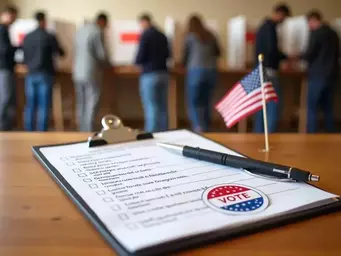
As you prepare for Election Day, it's important to know what to bring with you! Here are some essential items that can help you navigate the voting process smoothly:
Having these items at hand can make your voting experience much more efficient and stress-free. Remember, every little detail counts!
As you prepare for Election Day, consider how you can encourage others in your community to participate. What strategies do you think would be most effective in boosting voter turnout? Share your thoughts below:
The key steps include knowing voter registration deadlines, locating your polling place and its hours, understanding state-specific voter ID laws, and preparing a checklist of essential items to bring.
Voter registration deadlines vary by state, and missing them means you won't be able to vote in the upcoming election. Staying informed ensures your participation.
You can find this information on your state or local election office websites. It's crucial to verify hours as they can vary.
Voter ID laws differ significantly across states. Some require photo ID, while others accept non-photo identification. Always check your state's specific requirements to avoid issues.
It's advisable to bring your voter registration card (if applicable), a valid form of ID (as required by your state), a sample ballot, and a pen or pencil.
Sharing the checklist helps inform and encourage others to participate in the democratic process, boosting voter turnout and strengthening community engagement.
As we approach Election Day, it's crucial to arm yourself with a comprehensive checklist. This preparation not only enhances your voting experience but also strengthens the democratic process. Understanding elements like voter registration deadlines, polling locations, and ID requirements can make a significant difference in your participation.
Having a well-structured checklist ensures that you won't forget important steps. Think of it as your roadmap to navigating the complexities of voting. For instance, knowing your polling place and its hours can save you time and reduce stress on that busy day! To learn more about what to expect, read our guide on Election Day: What to Expect.
This holistic approach not only empowers you as a voter but also encourages others to take part in this vital civic duty. At Next In Office, we believe that informed citizens lead to stronger communities, and being prepared is a significant step toward making your voice heard!
Now that you're equipped with your checklist, it's time to spread the word! Sharing this valuable resource with your friends, family, and community can significantly boost voter turnout. We encourage you to download, print, and share the checklist—because every vote counts!

As you share this information, consider including a brief explanation of its importance. For example, you might say, "Here's a checklist to help us all prepare for Election Day. Let’s make sure we’re ready to make our voices heard!" This simple act of sharing can create a ripple effect, inspiring others to participate in the electoral process. For further insights into civic engagement, consider exploring researching candidates before you vote.
By promoting civic engagement, we can create a community that values participation and informed voting. Together, let's make a difference this Election Day! At Next In Office, we're here to support you every step of the way in your journey toward understanding and engaging in our democratic process.
Here is a quick recap of the important points discussed in the article:

Jordan McClure is a civic education writer and political researcher focused on helping readers better understand elections, candidates, government systems, and public policy. Through clear and balanced explanations, Jordan breaks down complex political topics into practical information that everyday readers can understand. His work emphasizes clarity, factual accuracy, and context over opinion, helping citizens stay informed and navigate political topics with confidence.