Step 1: Understand Registration Requirements
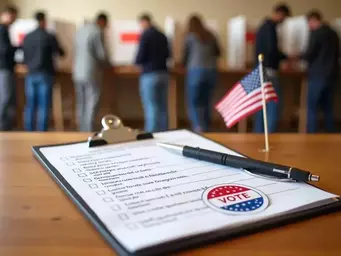
Verify eligibility (age, citizenship, residency) and check registration status online.
As you prepare to step into the voting booth for the first time, understanding the process is essential. Equipped with the right information, you'll not only know when and where to vote but also feel empowered to make your voice heard in the electoral process.
An overview of the essential stages and critical deadlines for new voters to ensure a smooth and informed voting experience. For a broader understanding of how elections operate, you might find our guide on understanding US election processes particularly helpful.
Verify eligibility (age, citizenship, residency) and check registration status online.
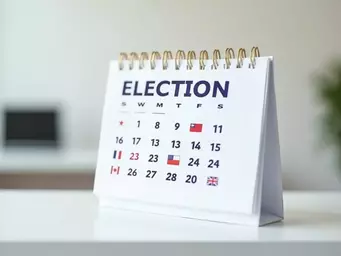
Mark key dates; most states require registration up to 30 days before election day.
Use state election websites or Vote.org for your designated polling location.
Stay informed, share experiences, and support voter advocacy organizations.
As a first-time voter, you might feel a mix of excitement and nervousness. Understanding the voting process is crucial, and at Next In Office, we’re here to simplify it for you! Let’s dive into the essential steps to ensure you’re prepared and confident come election day.
Before you can cast your vote, it’s vital to ensure you’re registered. Checking your voter registration status is a straightforward process. You can usually do this online through your state’s election office website. Here’s how to get started:
To register, you must meet certain eligibility requirements. Generally, you need to be a U.S. citizen, a resident of the state where you’re registering, and at least 18 years old by election day. Don’t forget to check registration deadlines for your state, as they vary. Being proactive ensures you don’t miss out! For more detailed information on state-specific registration, refer to our comprehensive guide on registering to vote by state.

Every election cycle has specific deadlines for registration that you should be aware of. Ensuring you register on time is crucial to your voting experience. Here are some key deadlines to keep in mind:
It’s a smart move to mark these dates on your calendar. By staying informed, you’ll be ready to make your voice heard when it matters most!
Now that you’re registered, the next step is knowing where to go on election day. Finding your polling place is straightforward, and it’s an essential part of preparing to vote. Here’s how to locate it:
Additionally, familiarize yourself with local election information resources. These can offer insights into what to expect on voting day, including hours of operation and any potential changes due to unforeseen circumstances. This way, you’ll walk into the polling station feeling informed and ready!
Preparing for your first vote is just as exciting as the registration process. At Next In Office, we want to make sure you have everything you need to make your voting experience smooth and successful.
As a first-time voter, it’s wise to familiarize yourself with the voting process well in advance. One effective way to do this is to participate in local civic workshops or online webinars that focus on the electoral process. Not only will you gain valuable insights, but you'll also have the opportunity to ask questions and clear up any uncertainties you may have about voting!
Congratulations on taking the leap to participate in your first election! As you prepare to cast your vote, let’s summarize the key steps to ensure you feel confident and ready. First, make sure you have all necessary documentation, know your polling location, and understand what to expect on election day. Don't forget to review any sample ballots or voter guides beforehand to familiarize yourself with the candidates and measures! Researching candidates effectively is key to making informed decisions; learn more through our guide on researching candidates before you vote.
Remember, being informed is crucial! The more you know about the process, the smoother your experience will be. And if you run into any last-minute questions, don’t hesitate to reach out to your local election office or consult resources like Next In Office for guidance.
Your journey as a voter doesn’t end once you submit your ballot! It’s essential to stay engaged with local election processes and continue to educate yourself. Here are some actions to take:
By actively engaging with your community and sharing what you’ve learned, you can help others feel empowered to vote in future elections. Every voice counts, and together we can foster a culture of informed voter participation!
Connecting with voter advocacy organizations is a fantastic way to stay involved and informed. Groups like the League of Women Voters offer a wealth of resources, including:
Engaging with these organizations can provide you with support and a sense of community as you navigate your role as a voter.
As a new voter, you have the unique opportunity to inspire others to participate in the electoral process! Here are a few ways to foster a culture of voting among your peers:
Creating a supportive environment around voting can make a big difference in turnout, especially in your local community.
Young voters play a critical role in shaping the future of our elections! To motivate youth participation, consider these strategies:
By emphasizing the importance of their vote, we can inspire young people to take an active role in shaping the issues they care about.
Here is a quick recap of the important points discussed in the article:

Jordan McClure is a civic education writer and political researcher focused on helping readers better understand elections, candidates, government systems, and public policy. Through clear and balanced explanations, Jordan breaks down complex political topics into practical information that everyday readers can understand. His work emphasizes clarity, factual accuracy, and context over opinion, helping citizens stay informed and navigate political topics with confidence.