Guide Publishers
- Election Commissions (Official Data)
- Nonprofit Organizations (Advocacy, Education)
- Government Agencies (Dissemination)

As elections approach, the importance of being informed cannot be overstated. Knowing who and what is on your ballot is essential for making impactful choices. Voter information guides serve as a crucial resource to navigate this complexity.
This visual outlines the key components and their interconnections within the voter information guide ecosystem, from content creation to voter engagement. To further understand the electoral landscape, consider exploring understanding US election processes.
Voter information guides are essential resources designed to help you navigate the complexities of elections and understand what’s at stake. These guides typically include important information about the candidates, ballot measures, and voting procedures. Think of them as your roadmap to informed voting, providing clarity in a sea of political chatter.

At Next In Office, we believe that informed participation begins with clear, accessible information. By breaking down the contents of these guides, we empower you to engage with the electoral process confidently. So, let’s dive into what exactly a voter information guide is and why it matters!
A voter information guide serves multiple purposes. Primarily, it aims to educate voters on the candidates running for office, the issues they’ll be voting on, and the various processes involved in casting a ballot. Here’s what you’ll typically find in a voter information guide:
These guides ensure that you have all the necessary information at your fingertips, making it easier to make informed decisions on election day! To delve deeper into candidate specifics, consider researching candidates before you vote.
Voter information guides are published by a variety of organizations, contributing to their credibility and neutrality. Some of the key players include:
By pulling together information from multiple sources, these guides strive to present an unbiased view, ensuring that you receive a well-rounded perspective on the candidates and issues at hand.
Election commissions play a pivotal role in the creation and distribution of voter information guides. They not only compile the necessary data but also ensure that the information is accurate and up-to-date. Here’s how they contribute:
Understanding the role of these commissions helps underscore the importance of their efforts in promoting fair and informed elections. At Next In Office, we recognize how crucial it is to have reliable and accessible information, especially during election cycles!
Now that you see the value of voter information guides, let’s talk about how to access yours. Each county has its own process for distributing these guides, but with a few steps, you can find your specific guide in no time!
Locating your county's voter information guide is straightforward. Here’s a step-by-step guide to help you:
By following these steps, you can stay informed and ready to participate in the upcoming elections. It’s all about making the process easier for you!
Accessibility is crucial when it comes to voter information. Many counties recognize this and provide multilingual support in their voter guides. This ensures that non-English speakers can also participate in the electoral process. Here are some key points regarding multilingual support:
This commitment to accessibility is part of a broader goal to ensure that everyone can exercise their right to vote! At Next In Office, we value this inclusivity and strive to provide information that resonates with all voters.
Voter registration is a critical entry point for accessing voter information guides and actively participating in elections. Here’s why it matters:
By understanding the connection between voter registration and access to voter guides, you can take proactive steps to ensure your voice is heard in the upcoming elections! For a complete guide, learn more about registering to vote made simple.
To maximize your understanding of the candidates and issues, consider discussing the contents of your voter information guide with friends or family. Engaging in conversation can help clarify your thoughts and expose you to different perspectives, enhancing your overall knowledge before election day!
A voter information guide is a crucial resource that provides details about candidates, ballot measures, and voting procedures to help voters make informed decisions during elections.
Voter information guides are published by various organizations, including state and local election commissions, nonpartisan nonprofit organizations (like the League of Women Voters), and certain government agencies.
You can typically find candidate profiles (background, qualifications, stances), detailed explanations of ballot propositions and measures, and step-by-step instructions on voting procedures, including deadlines and polling locations.
You can usually access your county's voter information guide by visiting your state’s official election office website, looking for a "Voter Information" or "Voter Guides" section, selecting your county, and then downloading or requesting a physical copy.
Yes, many counties offer multilingual support in their voter guides to ensure accessibility for non-English speakers. This often includes translated guides and language assistance resources.
Voter registration is essential because only registered voters typically receive official voter information guides directly. It's also a critical step for active participation in elections and ensures your voice is heard.
As we navigate the complexities of the electoral process, the importance of utilizing your voter information guide cannot be overstated. This guide acts as your roadmap, offering valuable insights into the candidates, issues, and measures that will be on your ballot. By making the most of your guide, you position yourself not just as a voter, but as an informed participant in democracy!
Each of these elements contributes to a more confident voting experience, allowing you to engage meaningfully with the political landscape around you. Remember, knowledge is power, and with your voter information guide, you have the tools to wield that power effectively!
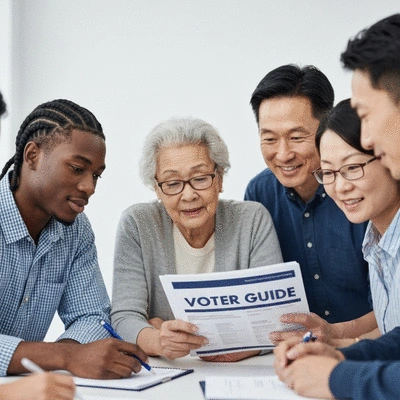
Now that you've explored your voter information guide, it's time to take action! I encourage you to make a plan to access your guide and dive into the details before the upcoming election. Whether you're discussing the issues with friends or sharing insights on social media, your engagement makes a difference.
Your participation not only shapes your own understanding but also encourages others to get involved. Let's make our voices heard and contribute to the democratic process together!
Voter information guides are more than just a collection of facts; they're a vital resource for promoting civic engagement in our communities. By utilizing these guides, you cultivate a sense of responsibility and awareness regarding local elections, which directly impact our daily lives.
Every local election matters. The decisions made at this level influence everything from school funding to public safety. By being informed and engaged, you enhance not just your civic knowledge but also contribute to a more vibrant democracy. Let's take the next steps together and be the change we wish to see in our communities!
Here is a quick recap of the important points discussed in the article:

Jordan McClure is a civic education writer and political researcher focused on helping readers better understand elections, candidates, government systems, and public policy. Through clear and balanced explanations, Jordan breaks down complex political topics into practical information that everyday readers can understand. His work emphasizes clarity, factual accuracy, and context over opinion, helping citizens stay informed and navigate political topics with confidence.