Legislative Branch
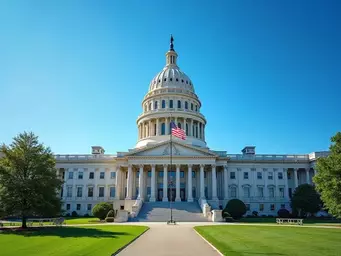
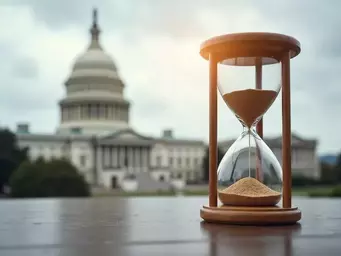
Responsible for crafting laws and representing citizens' interests through Congress.
- Creates laws
- Declares war
- Approves treaties

Understanding the intricacies of government is essential for active civic participation. By grasping how power is distributed and how each branch interacts, you empower yourself to engage meaningfully in democracy.
This visual breaks down the three core branches of the U.S. government and their primary functions, highlighting the system of checks and balances.
When we talk about the government leadership structure, we’re diving into how our political system is organized and functions. This structure is crucial because it outlines how power and responsibilities are distributed among different branches and levels of government. Understanding this framework helps us make sense of the decisions that impact our daily lives.
The government leadership structure is like the framework of a house. Just as every beam and wall supports the overall stability of a home, each branch of government plays a vital role in ensuring that our democracy operates smoothly. By recognizing how these elements fit together, we can better appreciate the importance of our civic duties and rights, including how to register to vote.
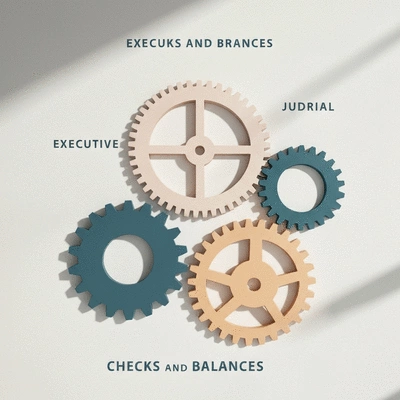
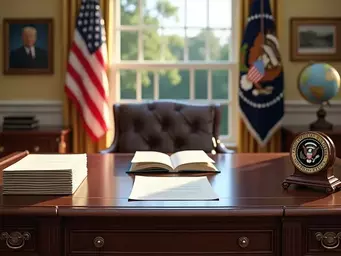
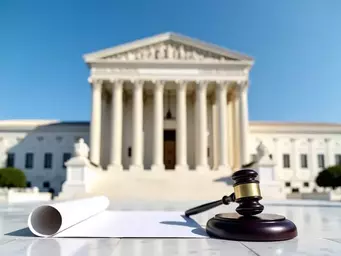
The government leadership structure is divided into three main branches: the legislative, executive, and judicial. Each branch has distinct responsibilities and powers that allow it to function effectively. Here’s a quick breakdown of these branches:
These branches work together to maintain a balance of power, ensuring no single branch becomes too powerful. This balance is critical in protecting our rights and freedoms as citizens.
Understanding our government’s structure is essential for several reasons. First, it empowers us to engage more meaningfully in the political process. When we know how our government operates, we can make informed decisions, advocate for changes, and hold our leaders accountable. This knowledge fosters a more engaged electorate, which is vital for a thriving democracy.
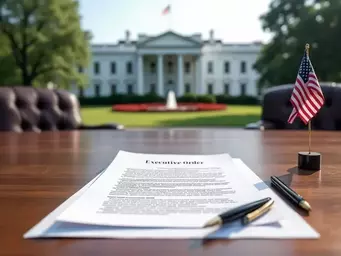
Second, knowing how the government works helps demystify complex political issues. For instance, when you understand how laws are made or how executive orders are issued, you can better grasp the implications of these processes on your community. This insight helps you navigate political discussions with confidence and clarity!
Now that we've set the stage, let’s dive deeper into each of the three branches of government, exploring their specific roles and responsibilities. This exploration will provide you with a clearer picture of how these branches operate and interact with one another. To learn more about specific roles within these branches, you might be interested in understanding a senator's role.
As we explore the intricacies of government structure, we want to hear from you! How confident do you feel about your understanding of the government leadership structure?

The three main branches are the Legislative, Executive, and Judicial branches. Each has distinct responsibilities and powers to ensure a balanced system.
Checks and balances prevent any single branch from becoming too powerful. They ensure accountability, transparency, and protect citizens' rights and freedoms by requiring collaboration and scrutiny among the branches.
Understanding the government structure empowers citizens to engage meaningfully in the political process, make informed decisions, advocate for changes, and hold leaders accountable. It fosters a more engaged electorate, which is vital for a thriving democracy.
The Legislative Branch is responsible for creating laws, declaring war, and approving treaties. It represents the interests of the citizens through Congress.
The Judicial Branch interprets laws, reviews cases, and ensures justice is upheld through the court system, making sure laws are applied fairly.
After diving into the intricate world of government leadership, it’s essential to take a step back and summarize what we’ve learned. Understanding the government leadership structure helps us recognize how each branch operates and interacts. It’s like piecing together a puzzle—each section plays a crucial role in the overall picture of governance.
Here are the key takeaways from each branch that we should remember:
These branches work together while maintaining their unique responsibilities. This division of power is essential for a well-functioning democracy.
Checks and balances are at the heart of our government’s structure. They ensure that no single branch becomes too powerful—like a well-balanced scale, each side must hold its weight. By knowing how these checks function, we empower ourselves to hold our leaders accountable.
Consider these critical aspects of checks and balances:
In essence, recognizing the importance of these systems can help us navigate the political landscape more effectively. At Next In Office, we aim to demystify these concepts further, making political information accessible and actionable for everyone.
Now that we’ve summarized the government leadership structure and its checks and balances, I encourage you to delve deeper into these topics. Understanding government isn’t just about knowing who’s in charge; it’s about grasping how systems function and interconnect.
To enhance your knowledge, here are some valuable resources to explore:
These resources can help you stay informed about how government operates and the ongoing developments within each branch.
In our fast-paced world, staying informed about government changes is crucial. Here are some tips for keeping up with current events:
Being proactive about your information sources will help you navigate the complexities of government and enhance your understanding of its impact on your life.
Civic engagement is the heartbeat of our democracy. By participating in local events, voting in elections, and voicing opinions, you contribute to a more vibrant political landscape. Here’s how you can get involved:
At Next In Office, we believe that informed citizens are the foundation of a strong democracy. By encouraging active participation and providing educational resources, we can all contribute to a better understanding of our government and its functions, including how to engage with county commissioner roles.

Jordan McClure is a civic education writer and political researcher focused on helping readers better understand elections, candidates, government systems, and public policy. Through clear and balanced explanations, Jordan breaks down complex political topics into practical information that everyday readers can understand. His work emphasizes clarity, factual accuracy, and context over opinion, helping citizens stay informed and navigate political topics with confidence.