Polls Close & Initial Counting
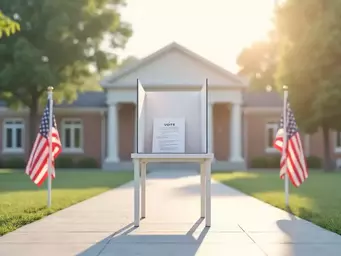
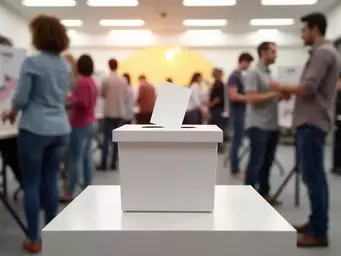
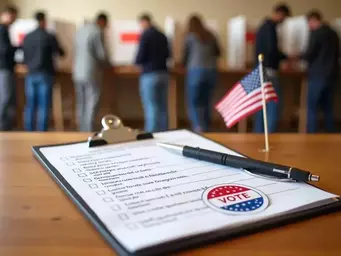
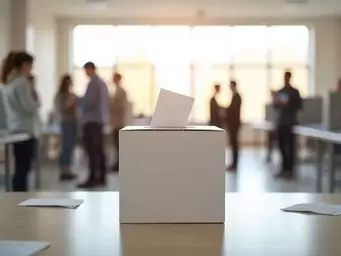
Election workers begin counting in-person and mail-in ballots. Unofficial results are reported to media.
What if understanding the election results process could empower your vote? By grasping the steps from polling closure to final certification, you can navigate the complexities of electoral outcomes with confidence and clarity.
The journey of election results from polls closing to final certification involves several critical stages, ensuring accuracy and integrity. To understand more about how these crucial stages impact democratic processes, read our article on enhancing election transparency.
When election day arrives, there’s a palpable sense of excitement and urgency that fills the air. But have you ever wondered what really happens behind the scenes once the polls close? Understanding the election results process can empower you as a voter, helping demystify a system that often seems complex. So, let’s take a closer look at this journey, starting from the moment the last voter casts their ballot!
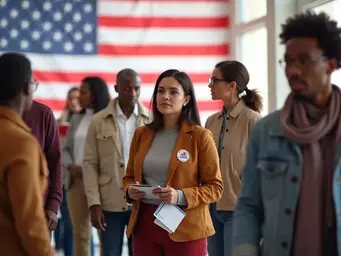
Once the polls close, the race to tally the votes begins. Election officials quickly start the initial counting process, often using electronic voting systems for efficiency. It’s important to note that the results you hear about immediately after polls close are *unofficial* and subject to change. Here’s a brief outline of the key steps that occur:
This process helps create a preliminary picture of the election outcome, but remember, the *official results* won’t come until later—a crucial detail for any informed voter!
Media outlets are quick to project election results based on early counts. These projections can be exciting, but they are not the final word. The difference between unofficial results and official outcomes can often lead to confusion. Here’s why understanding this distinction is vital:
By being aware of these nuances, you can engage with the election results critically, ensuring that you’re not misled by early projections.
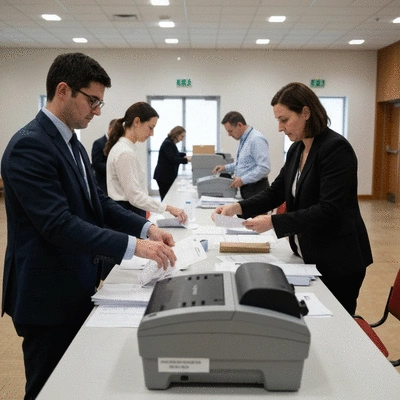
Once the unofficial results are tallied, the journey is far from over! The official certification process is where the votes are finalized, ensuring that every voice is counted accurately and fairly. This is where the integrity of our elections comes into play, and it's a crucial phase that every voter should understand.
The canvassing process is a vital step in validating election results. Election officials review and verify the counts, making sure everything aligns. Here’s how it typically unfolds:
Understanding this process is essential for maintaining trust in our electoral system. As citizens, we should feel confident that our votes have been counted accurately!
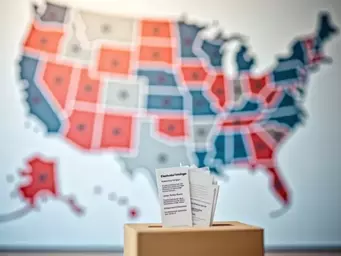
Different types of ballots can complicate the final count, especially provisional and absentee ballots. These ballots are critical in ensuring that every eligible voter has their say. Here’s what you need to know:
Being aware of how these ballots function can give you a deeper understanding of the final election tallies and their importance in protecting voter rights!
The Election Commission plays a pivotal role in overseeing the entire certification process. They ensure compliance with election laws and maintain the integrity of our elections. Here’s a brief overview of their responsibilities:
Understanding the Election Commission's role helps clarify how election integrity is upheld, reinforcing the democratic process that we all value.
Now that we've explored the election results process, we want to hear from you! How confident do you feel about your understanding of how election results are counted and certified?
A: Unofficial results are initial counts reported shortly after polls close, based on early returns and exit polls. Official results are the final, certified counts after a thorough canvassing process, including verification of all ballots (provisional, absentee, etc.) and audits, which can take days or weeks.
A: Results can change due to the counting of late-arriving absentee ballots, the verification and inclusion of provisional ballots, and corrections of any initial counting errors during the canvassing process. These factors ensure accuracy but can shift initial outcomes.
A: Canvassing is a vital step in validating election results. It involves election officials re-examining each ballot, conducting audits to cross-check results, resolving discrepancies, and ultimately certifying the official results. This process ensures the legitimacy and accuracy of the vote count.
A: Provisional ballots are counted only after a voter's eligibility is confirmed, while absentee ballots, cast by voters unable to be present on election day, are counted if submitted correctly. The inclusion of these ballots can significantly affect the final outcome, especially in close races, as they represent a substantial portion of the vote.
A: The Election Commission oversees the entire certification process, ensuring compliance with election laws and maintaining electoral integrity. Their responsibilities include monitoring voting and counting, verifying adherence to state and federal laws, protecting against fraud, and communicating updates to the public.
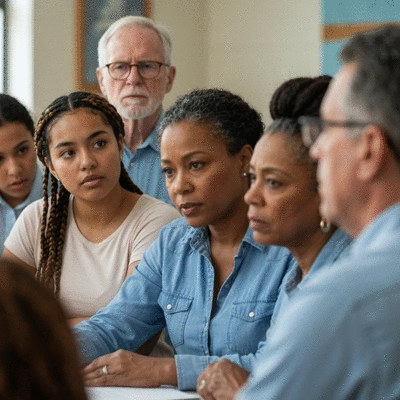
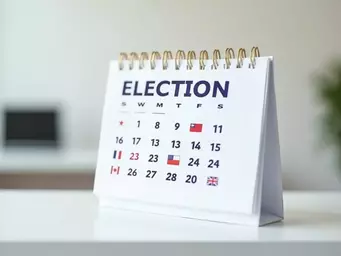
After elections, many people wonder about the timeline for results. Typically, the journey from polls closing to final certification involves several key stages:
Each state has its own laws and procedures, so timelines can vary. Being aware of these stages can help you understand what to expect!
It's common to see changes in election results after the first reports come out. This happens for several reasons, especially as absentee and provisional ballots are counted. Let’s break down some of the factors:
Understanding these factors can provide clarity on why what you see at first may not be the final picture. It’s all part of a careful process to ensure accuracy!
Voter ID laws can significantly affect voter turnout and, consequently, election results. Here's how they tend to influence the process in various states:
Being informed about these laws helps voters understand their rights and the importance of participating in elections. It’s essential to know how these regulations apply in your state!
As we’ve explored, understanding the election results process is crucial for building public trust in our democratic systems. When voters know what to expect, it enhances confidence in our electoral process.
At Next In Office, we encourage you to stay informed about your electoral processes. Engaging with local election officials can provide clarity and updates on future elections. Remember, knowledge is power! For additional insights on civic participation, consider reading about the importance of local elections.
Here is a quick recap of the important points discussed in the article:

Jordan McClure is a civic education writer and political researcher focused on helping readers better understand elections, candidates, government systems, and public policy. Through clear and balanced explanations, Jordan breaks down complex political topics into practical information that everyday readers can understand. His work emphasizes clarity, factual accuracy, and context over opinion, helping citizens stay informed and navigate political topics with confidence.