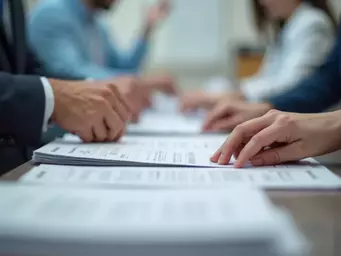
What Happens After Polls Close?
➤ Ballots collected & securely transported.
➤ Verification of ballot count vs. total votes cast.

What if the process behind counting your vote was as engaging as the act of voting itself? Understanding the intricacies of vote counting can empower you as a voter and heighten your awareness of the electoral process. Let’s explore the fundamental steps that occur once the polls close, ensuring your voice is accurately represented.
This diagram illustrates the chronological steps and key considerations involved in counting votes, ensuring transparency and accuracy in elections.
Understanding how votes are counted is crucial for every voter, especially in a democracy where every voice matters! At Next In Office, we aim to break down the complexities of the electoral process, making it easier for you to follow what happens after you cast your vote. So, let’s dive into the vote counting process and see how your ballot is handled after the polls close.
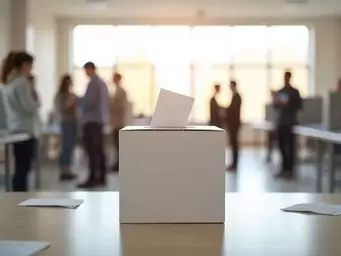
Once the polls close, a series of important steps kick into action. The first thing that happens is the transport of the ballots. Typically, election officials securely collect all the ballots and transport them to the counting center. This initial step is vital because it sets the stage for ensuring that all votes are handled safely and accurately. For a deeper dive into the overall election timeline, you can refer to our article on key election dates.
After ballots arrive at the counting center, preparations begin. This includes verifying the number of ballots against the total votes cast, ensuring everything matches before moving on to counting.
The first stage in counting ballots is verification. This process checks each ballot for authenticity and eligibility. Election officials carefully review signatures and other identifying marks to confirm that each ballot is valid.
By prioritizing ballot verification, we can maintain the integrity of the election process and ensure that every valid vote counts.
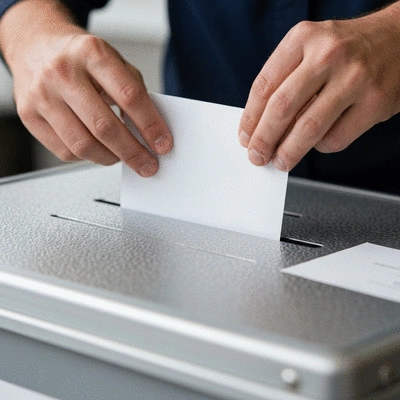
Next comes the tabulation process, where the actual counting happens. Depending on the location and available technology, ballots may be counted manually or with the help of machines. While manual counting is thorough, machine counting is faster, allowing for quicker results.
Regardless of the method, accuracy remains the primary focus of this stage! Each method has its merits, and election officials choose based on the specific needs of their jurisdiction.
Not all votes are created equal! Different types of ballots—like Election Day, early, absentee, and provisional ballots—have their own counting methods. Understanding how each is handled can provide valuable context for voters.
This variety is essential in making sure all voters have the opportunity to participate in the electoral process, regardless of their circumstances!
Voting machines play a significant role in the counting process. Many jurisdictions use optical scan systems that read ballots and tally results accurately and efficiently. This technology reduces human error and speeds up the counting process.
By leveraging technology in the counting process, election officials can ensure a smoother and more reliable experience for voters, which ultimately builds trust in the electoral system.
To uphold the integrity of the election results, audits and reconciliations are essential. These processes involve verifying that the number of ballots counted matches the number of voters who participated. This step helps confirm that every vote has been accurately tallied, thereby instilling confidence among voters. For more information on the broader context of election integrity, consider reading our article on understanding US election processes.
Election audits are critical for maintaining public trust in the electoral process. By reviewing a sample of votes, election officials can confirm that the vote count is accurate and reflects the will of the people. This transparency is vital for fostering confidence in our democracy!
Through rigorous audits, we can ensure that elections remain fair and trustworthy—a cornerstone of our democratic system.
After votes are initially counted, they are labeled as "unofficial" results. This means they provide a snapshot of the count but haven’t yet undergone final verification. Understanding this distinction helps voters be patient as the counting process continues!
The timeline for certifying election results can vary based on local laws. Generally, it takes a few days to weeks after the election for results to be officially certified after all ballots, including absentee and provisional, are counted and verified.
Being aware of this timeline helps manage expectations and encourages voters to stay engaged throughout the entire process.

In areas that use ranked-choice voting, the counting process becomes a bit more intricate. Voters rank candidates in order of preference, and if no candidate achieves a majority, the candidate with the fewest votes is eliminated, and their votes are redistributed until a candidate wins. This method ensures that the winning candidate has broader support among voters. You can learn more about this system in our dedicated article on understanding ranked-choice voting.
Each state has its own regulations and methods for counting votes, which can lead to different experiences for voters. Some states may have more stringent rules on ballot counting, while others may embrace more modern technology. Familiarizing ourselves with these variations can help us better understand our local electoral processes.
Provisional ballots are an important safety net in elections. These ballots are used when there are questions about a voter's eligibility. They are counted once the voter's eligibility is confirmed, ensuring that no valid vote is left uncounted.
Many states offer tools and resources for voters to track their ballots. By visiting official election websites, voters can confirm their ballot status and see the progress of their votes being counted. This transparency is key to building trust in the electoral system!
Poll workers and election judges are essential to fair elections. They help manage polling places, ensure procedures are followed, and contribute to the counting process. Their dedication to serving the public is a vital piece of the electoral puzzle.
Transparency initiatives enhance public trust by making the election process more open and accessible. Programs like open audits, public counting events, and clear communication from election officials help foster confidence and engagement among voters.
To ensure your vote counts, always double-check your registration status and understand the voting methods available in your state. Knowing the specifics can empower you to make informed choices and ensure your voice is heard!
Understanding the vote counting process is crucial for every citizen. It’s the backbone of our electoral system and ensures that every voice is heard and counted. From the moment polls close to the final certification of results, each step is designed to maintain integrity and transparency.
Here are the key stages we explored:
By breaking down these processes, we can see how each part contributes to a fair and accurate election. As we engage with the electoral system, it’s vital to understand these mechanisms to appreciate the value of our votes!
Many of us have questions when election night arrives. Common queries include, “When are election results official?” and “Why do results change after election night?” Let’s address these:
Understanding these FAQs can help demystify the process and keep you informed as we wait for the final results!
Staying informed is key! Here are some valuable resources to help you navigate the voting process:
These resources are designed to empower you with the information you need to participate actively in our democracy. They make it easier than ever to stay engaged and informed!
Now that you have a better grasp of how the counting process works, I encourage you to engage further! Discuss these topics with friends, family, or on social media. Your voice matters! Staying informed and participating in local election processes helps ensure that our democracy remains strong.
Let’s all commit to being proactive voters and advocates for transparency in our electoral system. Together, we can make a difference in how our communities engage with the voting process!
Here is a quick recap of the important points discussed in the article:

Jordan McClure is a civic education writer and political researcher focused on helping readers better understand elections, candidates, government systems, and public policy. Through clear and balanced explanations, Jordan breaks down complex political topics into practical information that everyday readers can understand. His work emphasizes clarity, factual accuracy, and context over opinion, helping citizens stay informed and navigate political topics with confidence.