Agenda Setting
Identifying and prioritizing issues that demand governmental attention.

What if the key to influencing change in your community lies in understanding the policymaking process? This essential framework not only helps citizens advocate for their needs but also shapes the effective policies that govern our lives.
This visual outlines the four crucial stages involved in the policymaking process, from identifying issues to assessing their real-world impact. To delve deeper into how decisions are made at the highest levels, consider how government leaders make decisions, which often aligns with these stages.
Identifying and prioritizing issues that demand governmental attention.
Crafting solutions through discussions and expert consultations.
Executing policies and allocating resources effectively.
Assessing the impact and effectiveness of policies in real-world settings.
When we talk about shaping public policy, it’s crucial to understand the policymaking process. This process is a series of steps that helps us identify issues, craft solutions, and implement changes that impact our communities. At Next In Office, we believe that an informed citizen is a powerful one, and understanding this process is key to engaging effectively in civic life.
Why does the policymaking process matter? It allows us to address pressing societal issues, ensuring that decisions are made based on evidence and community needs. By breaking down complex policies into understandable components, we can empower ourselves and others to participate in discussions that affect our lives.
The policymaking process involves several essential components, each playing a critical role in developing effective public policies. These components include:
By understanding these components, we can better appreciate how policies are crafted and the various influences at play. Each stage requires collaboration among stakeholders, from government agencies to advocacy groups, ensuring that diverse perspectives are considered. For instance, understanding how to research candidates before you vote can help you identify those who prioritize these collaborative efforts.
The first stage, agenda setting, is where it all begins. This phase involves recognizing problems that need attention. Think of it as a team meeting where everyone brings their concerns to the table. Identifying and framing these issues effectively is vital because it determines which topics gain traction and become priorities for policymakers.
A compelling agenda can mobilize public interest and encourage action, making it essential for citizens to voice their concerns and advocate for the issues that matter most to them.
Once issues are identified, the next step is policy formulation. This is where potential solutions are designed. In this stage, it’s important to involve various stakeholders, including experts, community leaders, and the public. By gathering a variety of inputs, we can create well-rounded policies that address the needs and concerns of different segments of the population.
The goal here is to craft policies that are not only practical but also achievable, ensuring that they can be successfully implemented down the line.

Implementation is the stage where policies become action. This involves allocating resources and coordinating activities among various actors, including government agencies and nonprofit organizations. Effective implementation requires strong communication and collaboration to ensure that all stakeholders are on the same page.
Strategies for successful implementation might include:
When policies are effectively implemented, they have the potential to create meaningful change in our communities. However, this stage is often where challenges can arise, making it crucial to remain adaptable and responsive.
Finally, we reach the evaluation stage. This is where we take a step back and assess the impact of the policies we've implemented. It's crucial to establish metrics and key performance indicators to measure success. By evaluating the outcomes, we can determine what worked, what didn’t, and where adjustments are needed.
Evaluation helps ensure that policies remain relevant and effective over time, adapting to the ever-changing needs of the public.
Throughout the policymaking process, various stakeholders play significant roles. Decision-makers, advocacy groups, and the public all contribute to shaping policies. Decision-makers set the direction, advocacy groups amplify voices, and citizens provide feedback that can influence outcomes.
Understanding these roles allows us to see how our voices can impact the policymaking process. Engaging with these stakeholders can strengthen our advocacy efforts and ensure that our concerns are heard. For example, local government officials like those in county commissioner roles are critical stakeholders in this process.
Government agencies and nonprofit organizations provide vital support in the policymaking process. They offer expertise, resources, and community connections that help in crafting effective policies. By collaborating with these entities, we can enhance our understanding of the issues at hand and develop more comprehensive solutions.
At Next In Office, we emphasize the importance of these collaborations, as they often lead to more informed and impactful policies that serve the public interest.
To illustrate the policymaking process, it can be helpful to examine real-world case studies that highlight each stage from issue identification to evaluation. These examples provide insights into how different stakeholders come together to address challenges and create effective policies.
Through analyzing these cases, we can gain valuable lessons about what works and what doesn’t, informing our approach to future policy initiatives.

Despite its importance, the policymaking process is not without its challenges. Common obstacles include unintended consequences and trade-offs that may arise during implementation. Understanding these challenges allows us to prepare for potential setbacks and create more resilient policies.
At Next In Office, we believe that addressing these issues head-on is essential for crafting effective legislation that truly meets the needs of our communities.
As our society evolves, so too must our policies. Policy innovation and reform are crucial for addressing new challenges. Policymakers should embrace creative solutions and be willing to adapt existing frameworks to better suit modern needs.
By promoting a culture of innovation, we can ensure that policies remain relevant and effective in a rapidly changing world.
To help illustrate the complex stages of the policymaking process, visual aids like flowcharts or infographics can be incredibly useful. These tools can clarify how each stage interconnects, making it easier for citizens to understand the entire process.
At Next In Office, we aim to simplify complex political topics, and visual representations are a great way to engage our audience and facilitate a deeper understanding of policymaking.
Have you ever considered the impact of your voice in the policymaking process? Share your thoughts! What issues do you believe should be prioritized in your community? Let us know below:
The four main stages are Agenda Setting, Policy Formulation, Implementation, and Evaluation. These stages form a cyclical process that guides policy development from identifying issues to assessing their real-world impact.
Agenda setting is crucial because it involves identifying and prioritizing issues that demand governmental attention. Effectively framing these issues determines which topics gain traction and become priorities for policymakers, mobilizing public interest and encouraging action.
Key stakeholders in policy formulation include experts, community leaders, and the public. Their diverse inputs are essential for creating well-rounded policies that address the needs and concerns of various segments of the population.
During implementation, common challenges include unintended consequences and trade-offs. These can arise due to various factors, making it crucial for policymakers to be adaptable and responsive to potential setbacks.
Evaluation is vital for assessing the impact and effectiveness of implemented policies. By establishing metrics and gathering feedback, policymakers can determine what worked, what didn’t, and where adjustments are needed, ensuring policies remain relevant and effective over time.
Understanding the policymaking process is crucial for creating effective public policies that truly address community needs. By breaking down the stages—from agenda setting to evaluation—we can see how each step plays a vital role in shaping the outcomes that affect our lives. Effective policies start with recognizing issues and culminate in assessing their impact.
Here are some key takeaways that highlight the importance of each stage:
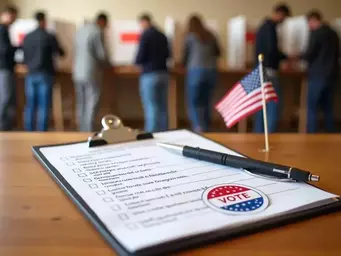
At Next In Office, we believe that empowering citizens with practical tools can help them engage more actively in the policymaking process. To aid this, we're excited to offer downloadable checklists and templates that outline each stage of the policymaking process. These resources can serve as a useful guide whether you're a concerned citizen or an aspiring policy advocate.
Using these tools, you can better navigate the complex world of policymaking, ensuring your voice is heard!
Integrating research and data into the policymaking process is essential for improving outcomes. By relying on evidence-based approaches, policymakers can create solutions that are not only effective but also sustainable. This reliance on data helps to mitigate biases and assumptions, leading to decisions that reflect the actual needs of communities.
Some of the benefits of using evidence-based approaches include:
Policymakers have a variety of policy instruments at their disposal, each with its own implications for implementation. These instruments can range from regulations and incentives to public services and funding mechanisms. Understanding these tools is crucial for effective policy development and execution.
Here's a quick look at some common policy instruments:
Now that you have a better understanding of the policymaking process, it’s time to take action! At Next In Office, we encourage you to engage in the policy process within your local community. Your participation can make a difference in how policies are formed and implemented. Remember, civic engagement is not just a right but a responsibility!
Consider attending town hall meetings, joining local advocacy groups, or simply starting conversations with your neighbors about the issues that matter most. Your voice matters, and together, we can shape the policies that impact our lives!
Here is a quick recap of the important points discussed in the article:

Jordan McClure is a civic education writer and political researcher focused on helping readers better understand elections, candidates, government systems, and public policy. Through clear and balanced explanations, Jordan breaks down complex political topics into practical information that everyday readers can understand. His work emphasizes clarity, factual accuracy, and context over opinion, helping citizens stay informed and navigate political topics with confidence.