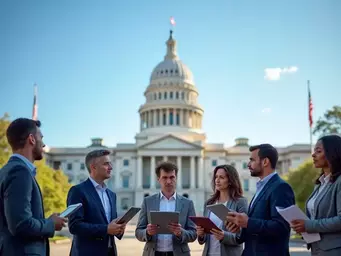
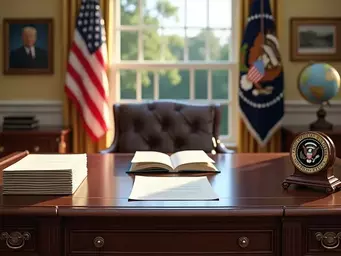
Chief Executive
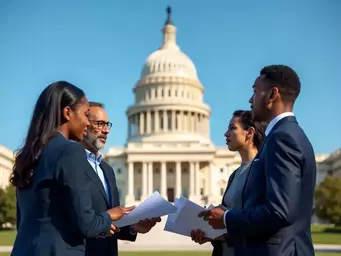
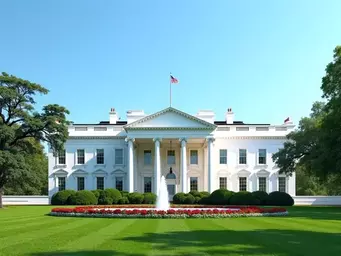
Enforces federal laws and administers government agencies, ensuring smooth operation of the executive branch.
Learn More →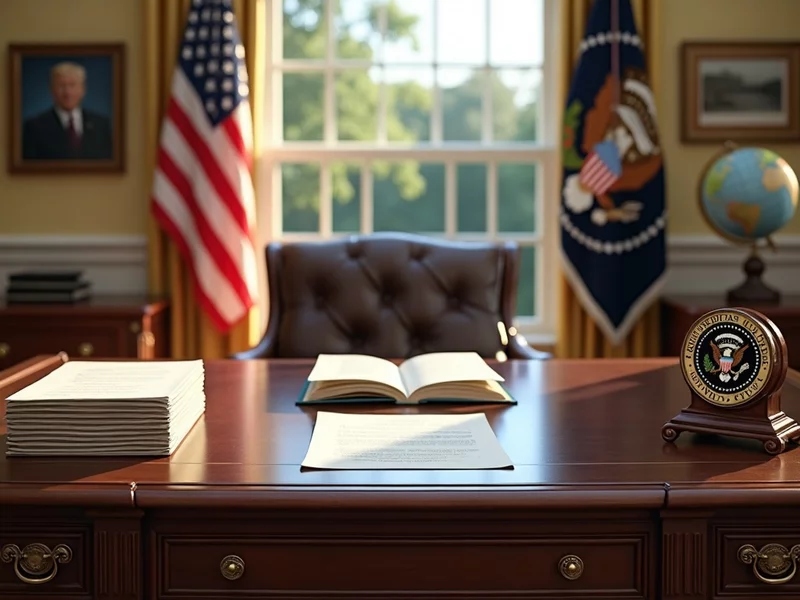
As we consider the complexities of the U.S. presidency, it's helpful to reflect on how these roles impact our lives and governance. With each election, the stakes are high, and understanding the nuances of presidential responsibilities can empower us as citizens. Let’s explore the essential takeaways that can enhance our civic engagement.
The U.S. President fulfills a multifaceted role, encompassing leadership across various critical domains. This overview highlights the core responsibilities that define the presidency.
Enforces federal laws and administers government agencies, ensuring smooth operation of the executive branch.
Learn More →Leads the U.S. Armed Forces, making critical decisions on national security and military engagements.
Learn More →Manages foreign relations, negotiates treaties, and represents the U.S. on the global stage.
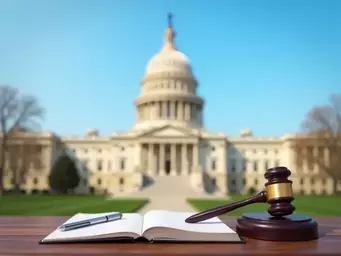
Learn More →Influences laws, can propose legislation, and holds the power to veto bills passed by Congress.
Learn More →The role of the U.S. President is often seen as one of the most powerful in the world. But what does that power really entail? Understanding this role can feel like unraveling a complex puzzle. Let’s break it down into manageable pieces, so you can get a clearer picture of what the President actually does.
At its core, the presidency is about leadership and responsibility. As citizens, knowing how these responsibilities play out can help us engage more meaningfully in our democratic process. This article will guide you through the essential functions and duties of the President, as well as how these roles impact our everyday lives!
To put it simply, the President acts as the head of the executive branch of the federal government. This position encompasses several crucial roles:Understanding a Senator's Role provides further context on the legislative branch's functions.
Understanding these roles forms the backbone of our political system. Each of these responsibilities plays a vital part in shaping the course of our nation, affecting everything from healthcare policies to foreign relations.
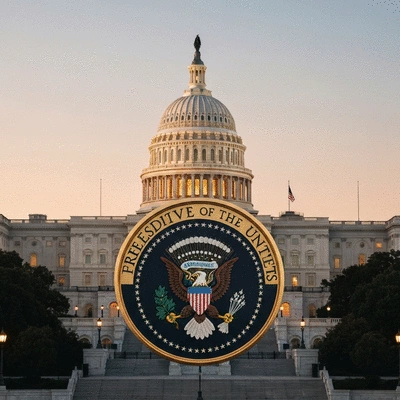
The President has a wide array of responsibilities that demand both attention to detail and a broader vision for the nation. Here are some key duties:
It's important to remember that these responsibilities require a delicate balance. The President must navigate the complexities of law, public opinion, and the often-divided Congress to fulfill their role effectively.
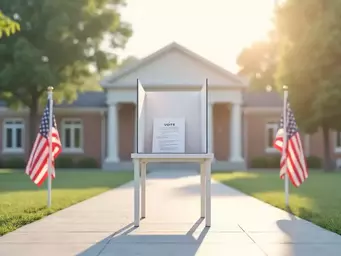
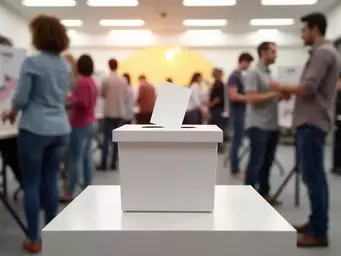
The process of electing a President is a fascinating and pivotal aspect of American democracy. It involves several key steps that ensure that every eligible citizen has a voice in the selection of their leader:
This process highlights the importance of civic engagement. As we navigate the upcoming elections, it’s crucial to participate in these stages and understand how our votes contribute to the leadership of our country.
Once elected, the President takes on a multitude of executive powers and duties that shape the governance of the nation. Understanding these powers is essential for grasping how the executive branch operates.
The President serves as the leader of the executive branch, which comprises various federal departments and agencies. This role is vital for maintaining order and ensuring that laws are carried out effectively. The phrase "to take care that the laws be faithfully executed" encapsulates this duty. For more details on the election process, including how votes are counted and certified, refer to Counting and Certifying Election Results.
This principle emphasizes the President's obligation to execute laws as intended by Congress. It requires the President to uphold the Constitution and ensure that policies are implemented fairly and justly. When we talk about accountability in governance, this is a crucial aspect of the President's role!
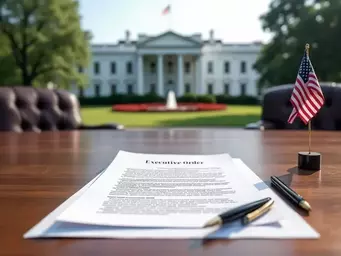
Executive orders are an important tool that the President can use to direct the operations of the federal government. These orders can have a significant impact on policy and can:
However, it’s crucial to understand that executive orders can be controversial and often face legal challenges. They represent the complexities of presidential power in a democracy.
As Commander-in-Chief, the President holds significant authority over the U.S. Armed Forces. This role comes with immense responsibility, particularly in matters of national security and military engagement.
The President must ensure that the nation is prepared for any threats, whether they be external or internal. This includes making critical decisions about military action and the deployment of troops.
National security is a top priority for the President. This authority allows for swift action in times of crisis, whether through military intervention or diplomatic efforts. The President's ability to respond effectively can shape global perceptions of the U.S. and its role in international affairs.
The President's diplomatic role is key in shaping foreign policy and maintaining relationships with other countries. This involves various activities, such as:
Through these actions, the President helps to define how the U.S. interacts with the world, impacting global peace and stability.
The President plays a pivotal role in treaty negotiations, working alongside advisors and diplomats to craft agreements that align with national interests. It's a delicate balance of strategy and cooperation!
Another key function is appointing ambassadors to represent U.S. interests abroad. These appointments are crucial for fostering international relationships and promoting U.S. values globally.
Ultimately, the President's actions in this role help shape the direction of U.S. foreign policy. By understanding this role better, we can appreciate the complex landscape of international relations and the implications of presidential decisions.
As we dive deeper into the complexities of the presidential role, we want to hear from you! What aspect of presidential powers do you find most intriguing or concerning? Share your thoughts below:
In our journey through the intricacies of the U.S. presidency, we’ve uncovered a multifaceted role shaped by various responsibilities and powers. From enforcing laws to leading foreign relations, the president serves as a crucial figure in both domestic and international arenas. It’s essential to recognize how these functions come together to create a leader that not only represents the nation but also guides it through challenges.

As we reflect on the presidential responsibilities, it’s clear that the role requires a delicate balance of power, public service, and diplomatic finesse. Understanding this role can empower us as citizens, encouraging informed participation in our democracy. So, let’s take a moment to revisit the key aspects of the presidency!
By understanding these key responsibilities, we not only appreciate the complexity of the presidential office but also recognize our role in holding our leaders accountable. Engaging in our political system starts with awareness, and that’s what Next In Office strives to foster!
As we navigate the world of presidential powers, it’s natural to have questions. Let’s tackle some of the most common misconceptions surrounding the role of the president. Understanding these misconceptions can demystify the presidency and help us engage more thoughtfully in political discussions.
These points clarify the boundaries and responsibilities inherent in the presidential role, helping us better grasp the significance of the presidency in our democratic structure. It’s crucial to stay informed about these topics, as they directly affect our lives and communities.
Presidential actions resonate far beyond the White House, influencing everyday lives. As active participants in democracy, it’s vital for us to engage with these actions critically. Understanding how presidential decisions affect our communities encourages us to be involved—whether it’s voting, attending town halls, or discussing issues with friends.
Next In Office aims to provide you with the tools to navigate these important topics, empowering you to make informed choices that align with your values and beliefs. Empowerment starts with knowledge!
Public approval ratings are another crucial aspect to consider. They reflect how citizens perceive the president’s effectiveness and decisions. High approval ratings can bolster a president’s ability to push legislation, while lower ratings might hinder their influence. Monitoring these ratings can provide insight into the administration’s direction and responsiveness to public opinion.
As engaged citizens, we should recognize the significance of our voices in shaping these ratings. Our feedback through voting and communication with elected officials can directly influence the actions and priorities of the presidency.
As we wrap up this exploration of presidential roles and powers, I encourage you to continue your journey of learning. Understanding the U.S. government is a lifelong pursuit that benefits both you and your community. Start by diving deeper into resources available on Next In Office, where we provide a wealth of information designed to make complex topics accessible and engaging. For example, our article on Understanding US Election Processes offers further insights into the democratic framework.
Stay curious, ask questions, and never hesitate to seek out more knowledge. Together, we can foster a well-informed citizenry that actively participates in the democratic process. Your engagement matters—let’s make our voices heard!
Here is a quick recap of the important points discussed in the article:
Jordan McClure is a civic education writer and political researcher focused on helping readers better understand elections, candidates, government systems, and public policy. Through clear and balanced explanations, Jordan breaks down complex political topics into practical information that everyday readers can understand. His work emphasizes clarity, factual accuracy, and context over opinion, helping citizens stay informed and navigate political topics with confidence.