Legislative Branch: Making Laws
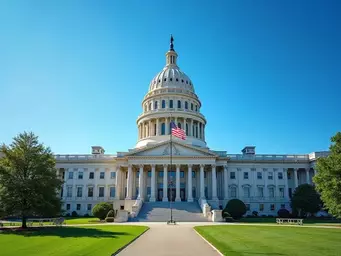
Comprised of Congress (House of Representatives & Senate). Crafts and passes legislation.
- Raises revenue through taxes
- Declares war
- Regulates commerce

Consider how the foundation of our democracy is built on a balance of power. It's not just a structure; it's essential for protecting our rights and ensuring fair governance.
This visual outlines the distinct responsibilities and key powers of the Legislative, Executive, and Judicial branches, highlighting their individual contributions to the U.S. governance system. To learn more about the specific roles within Congress, you might find our article on Understanding a Senator's Role particularly insightful.
Comprised of Congress (House of Representatives & Senate). Crafts and passes legislation.
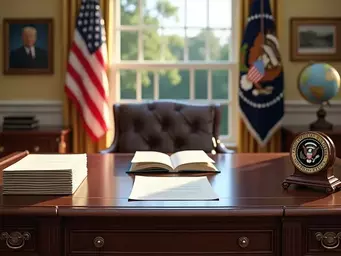
Led by the President, Vice President, and Cabinet. Responsible for implementing and enforcing laws.
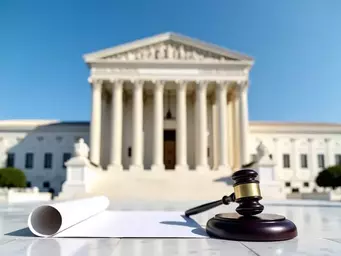
Includes the Supreme Court and lower federal courts. Interprets laws and ensures constitutional alignment.
When we think about the U.S. government, it’s essential to understand the concept of the three branches: the legislative, executive, and judicial. Each branch plays a unique role in the governance of our nation, ensuring that no single entity holds too much power. The legislative branch makes the laws, the executive branch enforces them, and the judicial branch interprets them.
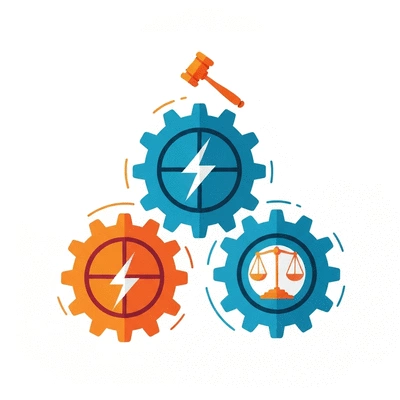
In simpler terms, think of it like a well-oiled machine where each part has a specific job. This structure is crucial for maintaining a balanced and fair government system, giving citizens a sense of security and representation.
The three branches of government are designed to work independently yet collaboratively, ensuring a robust governance system. Here’s a quick overview:
Understanding these branches is the first step toward grasping how our government operates. With the right knowledge, we can better engage in civic life!
The reason we have this three-branch structure is rooted in the principle of separation of powers. This principle is vital because it prevents any single branch from becoming too powerful, thus safeguarding our democracy. By distributing powers, we create a system of checks and balances, where each branch can monitor and limit the powers of the others.
This means that if one branch tries to overstep its bounds, the others are there to rein it back in. For example, Congress can pass laws, but the President can veto them. In turn, the courts can review those laws to ensure they align with our Constitution. It’s like a team where everyone plays a crucial role in keeping the game fair! You can explore more about this concept in our detailed article on Power Balance in Government Systems.
The United States Constitution is the cornerstone of our democracy, establishing the framework for government and the rights of individuals. It clearly outlines the roles of each branch and includes the Bill of Rights, which protects individual liberties. This ensures that while the government functions effectively, citizens’ rights are never overlooked.
For instance, the Constitution lays down essential laws and principles that govern everything from legislative procedures to how laws can be challenged in court. By understanding the Constitution, we can grasp how our government should operate and how our rights are safeguarded.
Now that we have a solid understanding of the three branches, let’s dive deeper into what each branch does and how they interact.
The legislative branch is responsible for crafting and passing legislation that shapes our lives. This is achieved through Congress, which has two houses: the House of Representatives and the Senate. Each house has distinct roles and powers, but they work together to make laws that reflect the will of the people.
When considering legislative matters, it's important to recognize the key figures who lead these efforts. The Speaker of the House and the Senate Majority Leader are pivotal in guiding legislative priorities and strategies. Their leadership can significantly influence the legislative agenda.
Some influential leaders in the legislative branch include:
These individuals play essential roles in shaping the laws that govern us!
The powers of Congress are vast and varied, including:
These powers allow Congress to respond to the needs and challenges of the nation, ensuring that the laws are relevant and effective.
Political parties significantly influence the legislative process. They help organize members of Congress, establish platforms, and push for specific policies. Understanding how these parties function can provide insight into how legislation is developed and passed. If you’re curious about your representatives’ positions, following party lines can be an enlightening indicator!
The executive branch, led by the President, is responsible for enforcing the laws passed by Congress. This branch includes the Vice President and the Cabinet, who assist in various administrative functions. Together, they play a critical role in shaping national policy and responding to current events.

The executive branch's power is significant, allowing for direct influence over the daily operations of government. For instance, the President can veto legislation, issue executive orders, and engage with foreign leaders to promote the nation’s interests. To delve deeper into the day-to-day responsibilities of the President, consider reading our article on Presidential Duties in Daily Life.
Here are some key powers held by the executive branch:
These powers underscore the executive branch's role in implementing laws and responding to the needs of the nation.
To illustrate the executive branch's function, let’s look at a few recent actions taken by the President. From implementing new healthcare policies to addressing climate change through executive orders, these actions demonstrate how the executive branch can directly impact our daily lives.
Don’t forget about the federal agencies and civil service that support the executive branch! They help implement laws and policies at various levels. This bureaucratic structure ensures that the laws passed by Congress are put into action in an organized and efficient manner. Understanding how these agencies operate can provide valuable insight into governmental processes.
The judicial branch plays a crucial role in interpreting laws and ensuring they align with the Constitution. This branch includes the Supreme Court and lower federal courts, which review cases and provide rulings that impact all citizens. By understanding its functions, we can appreciate how our legal system protects our rights.
The federal court system has a hierarchy that includes:
This structure allows for a comprehensive review of laws and legal processes, ensuring justice is served.
The judicial branch also functions as a check on the actions of the legislative and executive branches through the process of judicial review. This means that the courts can declare laws or executive actions unconstitutional. It's a vital mechanism that preserves the balance of power among the branches.
Judicial review has significant implications for legislation and the balance of power within the government. It ensures that all laws adhere to the Constitution, promoting accountability and fairness. By grasping the concept of judicial review, we gain insight into how our rights are safeguarded against potential government overreach.
Did you know? Engaging with your local government can significantly enhance your understanding of the legislative process. Attend town hall meetings or community forums to witness firsthand how laws are proposed, debated, and enacted. This not only empowers you as a citizen but also allows you to voice your opinions directly to lawmakers!
A1: The three main branches are the Legislative, Executive, and Judicial branches.
A2: The Legislative Branch, primarily Congress (House of Representatives and Senate), is responsible for making laws.
A3: The Executive Branch is led by the President and is responsible for enforcing laws.
A4: The Judicial Branch, including the Supreme Court and lower federal courts, interprets laws and ensures they align with the Constitution.
A5: The government is structured into three branches based on the principle of "separation of powers" to prevent any single branch from becoming too powerful and to maintain a system of "checks and balances."
As we've explored, the three branches of the U.S. government—legislative, executive, and judicial—each have distinct roles and responsibilities that work together to create a balanced system of governance. Understanding how these branches function not only informs us about our government but also empowers us as citizens to engage meaningfully with political processes.
To recap, here are the key takeaways:
Each branch plays a crucial role in ensuring that no single entity becomes too powerful. This division of responsibilities is fundamental to maintaining a fair and just government. I encourage you to reflect on these aspects as we move forward!
Now that you have a clearer understanding of the government's structure, it's time to take action! Civic education is vital for a thriving democracy, and I urge you to engage actively with your government. Here are a few ways you can get involved:
For further learning, explore resources available through government websites and local civic organizations. These avenues not only deepen your understanding but also provide opportunities for meaningful participation in your community. Together, we can create a more informed electorate and a stronger democracy!
Here is a quick recap of the important points discussed in the article:

Jordan McClure is a civic education writer and political researcher focused on helping readers better understand elections, candidates, government systems, and public policy. Through clear and balanced explanations, Jordan breaks down complex political topics into practical information that everyday readers can understand. His work emphasizes clarity, factual accuracy, and context over opinion, helping citizens stay informed and navigate political topics with confidence.