Current Political Conflicts in Focus

Political discourse often feels like navigating a complex maze. With so many issues impacting our daily lives, understanding the intricacies of current political topics is crucial. Let's dive into what you need to know to engage meaningfully in these vital conversations.
What You Will Learn
- Current political issues encompass essential topics such as economic challenges, healthcare, immigration policies, voting rights, and climate change.
- Understanding these issues is critical for informed citizenship and empowers you to make meaningful contributions to your community.
- Economic policies have a direct impact on job availability and societal well-being, making them a focal point of political discussions.
- Engaging with diverse perspectives can help you grasp the complexity of political debates and foster constructive dialogue.
- Grassroots movements and informed citizens play a significant role in shaping public policy and driving change in the political landscape.
Key Political Issues Shaping Today's Landscape
The following visual outlines the most pressing political issues and their significance for informed citizenship.
Defining Current Political Issues: What You Need to Know
- •Economic Challenges: Inflation & unemployment.
- •Healthcare: Access, affordability, & quality.
- •Immigration Policies: Reforms impacting millions.
- •Voting Rights: Evolving democratic participation.
- •Climate Change: Environmental policy impacts.
Why Political Issues Matter: Your Stake in Democracy
- →Personal Impact: Policies shape healthcare & taxes.
- →Community Engagement: Participate in local discussions.
- →Informed Voting: Choose representatives aligning with values.
Staying Informed: Trusted Resources
- ✓Next In Office: Election guides & policy explainers.
- ✓Public Broadcasting Service (PBS): In-depth reporting.
- ✓FactCheck.org: Nonpartisan political discourse.
Active Participation: How You Can Engage
- •Attend community meetings to express views.
- •Engage peers on social media with reliable resources.
- •Volunteer for local campaigns or organizations.
Understanding Current Political Issues and Their Significance
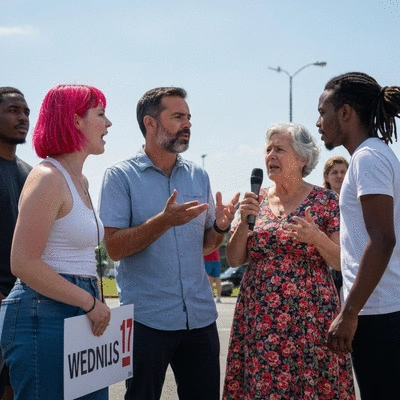
Political issues are everywhere, constantly shaping the world we live in. But what exactly are these current political issues? In simple terms, they are the challenges and debates that affect our daily lives, from economic policies to healthcare reforms. As a reader at Next In Office, you deserve to grasp these complexities without feeling overwhelmed. Let’s break down what you need to know!
Current political issues can include topics like immigration, climate change, healthcare, and voting rights. Understanding these topics allows us to engage more meaningfully in conversations about our communities and the direction we want them to take. It’s not just politics; it’s about our future, our rights, and our everyday lives!
Defining Current Political Issues: What You Need to Know
First, let’s define some of the most pressing issues today:
- Economic Challenges: Issues like inflation and unemployment are at the forefront of political discourse. For a deeper understanding of how government spending and taxation can influence these, explore understanding fiscal policy basics.
- Healthcare: Ongoing debates about access, affordability, and quality shape our experiences with medical services.
- Immigration Policies: Discussions around reform are crucial as they impact millions.
- Voting Rights: The way we participate in democracy is constantly evolving, especially with recent electoral changes.
- Climate Change: How we approach environmental policies affects our planet’s future.
These topics form the bedrock of current political debates and understanding them is essential for informed citizenship. Each issue connects to our lives and our communities in significant ways.
Why Current Political Issues Matter to You
Understanding political issues is not just for political junkies; it matters to everyone! Think of it like this: if you care about your community, you need to know how these issues impact it. For instance, economic policies can influence job availability in your area, while healthcare reforms can affect your family’s access to necessary services.
When you engage with these topics, you empower yourself to make informed choices at the ballot box and hold your representatives accountable. Here are a few reasons why understanding current political issues is vital:
- Personal Impact: Policies shape everything from your healthcare access to your taxes.
- Community Engagement: Knowing the issues helps you participate in local discussions and initiatives.
- Informed Voting: A well-informed voter is more likely to choose representatives who align with their values.
By grasping these issues, you become an active participant in democracy, ensuring your voice contributes to the political landscape. At Next In Office, our mission is to make this knowledge accessible, helping you navigate the complexities of today’s political environment.
Navigating Key Political Issues Shaping Today's Landscape
As we dive deeper, let’s explore some key political issues that are shaping our society today. These challenges don’t just affect politics on a national level; they rip through local communities, impacting all of us. Understanding them will help you engage more thoughtfully in discussions and actions regarding our collective future.
Interactive Poll: Your Voice Matters!
We want to know your thoughts! Which current political issue concerns you the most? Select one of the options below:
Summarizing Key Takeaways on Current Political Issues
As we navigate the complex world of politics, it's essential to recognize that current political issues are often intertwined with deep-seated emotions and broad implications for society. Understanding these issues requires a commitment to exploring their nuances. Political polarization has intensified, making it crucial for us to seek common ground and foster constructive dialogue.
Here are some key takeaways to consider regarding current political issues:
- The interplay between economic policies and societal well-being is central to many debates today.
- Public opinion is a powerful force that shapes the direction of policy, especially on issues like healthcare and immigration.
- Grassroots activism and informed citizens can drive significant change in political landscapes. For more on this, consider learning about registering to vote in your state.
Recognizing the Complexity of Political Issues and Polarization
Political issues aren't black and white; they often exist in shades of gray. Recognizing this complexity is vital for productive discussions. Many people feel overwhelmed by the constant barrage of headlines and polarized opinions, but by breaking down these issues into smaller, digestible parts, we can better understand the broader context.
To navigate this complexity, consider the following points:
- Engage with diverse perspectives to gain a fuller picture.
- Recognize your biases and strive for neutrality in discussions.
- Focus on the facts and context behind political decisions, rather than just the outcomes.
Where to Stay Informed: Resources and Tools for Understanding Politics

Staying informed is vital in today’s fast-paced political climate. To help you navigate the noise, I recommend using a variety of resources that provide reliable and balanced information. Here are some trusted places to start:
- **Next In Office**: Our platform offers clear election guides, candidate profiles, and policy explainers.
- **Public Broadcasting Service (PBS)**: Known for its in-depth reporting and educational content.
- **FactCheck.org**: A nonpartisan resource aimed at reducing the level of deception in political discourse.
By utilizing these resources, you can stay informed and make educated decisions regarding political issues that impact your life and community.
Encouraging Active Participation in Political Discourse
Active participation in political discourse is essential for a thriving democracy. Engaging in conversations about political issues can lead to better understanding and more informed citizens. It’s important that each of us feels empowered to voice our opinions and influence change.
Here are some ways you can actively participate in ongoing political conversations:
- Attend community meetings or town halls to express your views and hear from others.
- Engage with peers on social media platforms to discuss current issues and share reliable resources.
- Volunteer for local campaigns or organizations that align with your values.
How You Can Engage with Ongoing Political Conversations
Engaging with political conversations means being proactive and open-minded. Start by asking questions and seeking clarification where needed. It’s also important to encourage dialogue, as this can lead to more productive discussions. By understanding others’ viewpoints, you can find common ground, which is essential in today’s polarized environment.
Here are some practical steps to engage effectively:
- Practice active listening when others share their perspectives.
- Share your insights or stories that may resonate with others’ experiences.
- Stay calm and respectful, even when disagreements arise.
The Role of Grassroots Movements and Youth Activism in Shaping Policy
Grassroots movements and youth activism have emerged as powerful forces in shaping public policy. These groups often bring fresh ideas and perspectives, challenging the status quo and advocating for change. Being involved in these movements not only empowers individuals but can also lead to tangible policy shifts.
Key aspects of grassroots movements include:
- Mobilizing community members around shared goals and values.
- Utilizing social media to amplify their message and reach broader audiences.
- Encouraging voter registration and participation to influence elections. To better understand how candidates present their views, you might want to look into candidate platforms and what matters most.
Frequently Asked Questions About Current Political Issues
As we wrap up this section, here are some frequently asked questions that might help clarify ongoing political issues:
FAQs on Current Political Issues
1. What defines a "current political issue"?
Current political issues are significant challenges and debates that impact daily life and society, such as economic policies, healthcare access, immigration reforms, climate change, and voting rights. They are topics frequently discussed in political discourse and often lead to policy changes.
2. Why is it important for me to understand current political issues?
Understanding current political issues is vital for informed citizenship. It helps you make educated decisions when voting, hold elected officials accountable, engage meaningfully in community discussions, and recognize how policies directly affect your personal life and community well-being.
3. What are some of the most pressing current political issues mentioned in the article?
The article highlights economic challenges (inflation, unemployment), healthcare (access, affordability, quality), immigration policies, voting rights, and climate change as some of the most pressing current political issues.
4. How can I stay informed about political issues without feeling overwhelmed by polarization?
To stay informed, the article recommends using trusted, nonpartisan resources like Next In Office, Public Broadcasting Service (PBS), and FactCheck.org. It also suggests engaging with diverse perspectives, recognizing your own biases, and focusing on facts and context rather than just outcomes.
5. What are practical ways to participate in political discourse and influence change?
You can actively participate by attending community meetings, engaging in respectful discussions with peers on social media using reliable resources, volunteering for local campaigns or organizations, practicing active listening, and sharing your insights. Grassroots movements and youth activism are also highlighted as powerful forces for shaping policy.
By seeking answers to these questions, we become better equipped to engage thoughtfully in political discourse and contribute to a more informed society. At Next In Office, we aim to provide you with the knowledge and tools to navigate these complex topics with confidence!
Recap of Key Points
- Economic Challenges: Issues like inflation and unemployment are significant in current political discussions.
- Healthcare Access: Understanding the ongoing debates about healthcare can impact your family's well-being.
- Engagement in Democracy: Being informed empowers you to hold representatives accountable and make educated voting decisions.
- Emphasizing Community Involvement: Active participation in local discussions enhances community engagement.
- Complex Political Landscape: Recognizing the nuances of political issues fosters more productive conversations.
Jordan McClure
Jordan McClure is a civic education writer and political researcher focused on helping readers better understand elections, candidates, government systems, and public policy. Through clear and balanced explanations, Jordan breaks down complex political topics into practical information that everyday readers can understand. His work emphasizes clarity, factual accuracy, and context over opinion, helping citizens stay informed and navigate political topics with confidence.