RCV Process: Step-by-Step Ballot Guide
- Read Instructions Carefully
- Rank Choices (1st, 2nd, etc.)
- Double-Check Your Ballot

What if we could transform the way we vote, making each choice more meaningful? Ranked Choice Voting (RCV) offers a revolutionary approach that empowers voters and enhances democracy. Let’s explore the pivotal lessons you’ll learn about this innovative system!
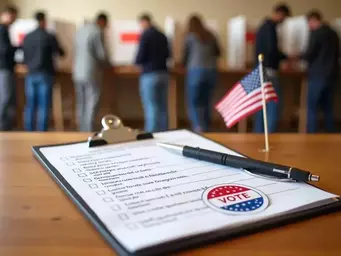
Ranked Choice Voting (RCV) simplifies complex elections by allowing voters to express nuanced preferences. This visual guide highlights the core process and contrasts it with traditional voting methods. For a deeper dive into the overall electoral landscape, consider understanding US election processes.
As we dive into the world of elections, it’s crucial to have clear answers to common questions about voting. At Next In Office, we’re dedicated to making political information accessible and understandable, empowering you to participate confidently in democracy. This section will clarify essential concepts, particularly focusing on Ranked Choice Voting (RCV)—a transformative method that’s gaining traction in various elections.

Ranked Choice Voting (RCV) is a voting system that allows you to rank candidates in order of preference rather than choosing just one. This method enhances voter expression and ensures that the winning candidate has broader support. Instead of simply voting for your favorite candidate, you can indicate your first choice, second choice, and so on, providing a fuller picture of voter preferences!
In a time when every vote matters, RCV offers a way to navigate the complex landscape of elections more effectively. If you're looking to understand more about this specific voting method, you can find additional details on understanding ranked choice voting.
Filling out a ranked-choice ballot may seem daunting at first, but it’s quite straightforward! Here’s how you can ensure your vote counts:
By ranking candidates, you not only express your preferences but also contribute to a more representative election outcome.
When participating in RCV, you can typically rank as many candidates as you like, but it’s important to know what each ranking means. Your first choice is your preferred candidate, but if they don't receive enough votes to win, your vote transfers to your second choice—and so on. This process continues until a candidate secures a majority of votes.
Understanding how candidate rankings work can empower you to vote more effectively, ensuring your voice is heard throughout the election process!
If your first-choice candidate doesn't make the cut, don’t worry! Your vote will automatically transfer to your next choice. This is a key feature of RCV that helps ensure every vote counts until a winner is determined. By understanding this process, you can feel confident knowing your voting power extends beyond just your first pick!
Write-in candidates can be a tricky topic in RCV elections. Typically, if your state allows write-ins, you can include them on your ballot, but rules may vary by location. Make sure to check your local regulations to see how to properly include a write-in candidate. This ensures that your voice is heard even if your preferred candidates aren't on the list!
Every county may have different voting rules and regulations. It’s essential to familiarize yourself with your local election laws to ensure your voting experience goes smoothly. For example, registration deadlines, ballot formats, and identification requirements can vary. To make your voting experience seamless, here are some tips:
Staying informed about local election rules not only prepares you for the voting day but also strengthens our democracy.
Many voters make simple mistakes that can invalidate their ballots. Being aware of these common errors can help ensure your vote counts! Here are frequent pitfalls to avoid:
By being mindful of these common mistakes, you can help secure your voice in the electoral process!
The differences between RCV and traditional voting methods are significant. Traditional voting typically allows you to select only one candidate, while RCV empowers you to express a range of preferences. Here are some key distinctions:
By understanding these differences, you can appreciate the advantages that RCV may offer in elections!
Instant runoff elections are closely tied to ranked choice voting. In this system, if no candidate receives a majority of votes, the candidate with the least votes is eliminated, and their votes are redistributed to the remaining candidates based on the next choice indicated on each ballot. This process continues until a candidate wins by majority.
Besides RCV, other voting methods like mail-in voting, absentee ballots, and early voting offer unique benefits. Each method caters to different voter needs and circumstances:
Understanding these alternatives can help you choose the best way to make your voice heard!
To help you navigate the ranked-choice voting process, it can be beneficial to refer to visual guides and examples of how to properly fill out a ballot. These resources can demonstrate:
Utilizing these visual aids can simplify the voting process and enhance your understanding of RCV!
Ensuring that all voters can participate effectively is vital. It’s important to consider accessibility in voting, making sure that everyone has the resources and information they need. This includes:
At Next In Office, we believe that every citizen deserves the opportunity to vote with ease and confidence!
Technology plays a crucial role in facilitating the voting process. From electronic voting machines to secure online registration, advancements are designed to enhance efficiency and security. Understanding how these technologies work can help you feel more comfortable going to the polls!
When filling out your ranked-choice ballot, consider researching candidates' positions and backgrounds ahead of time. This preparation can help you make informed choices that align with your values and priorities. Don’t hesitate to rank candidates who may not be your first choice; every preference you express contributes to a more representative outcome!
RCV is a voting system that allows voters to rank candidates in order of preference (first choice, second choice, etc.) instead of selecting just one. This method aims to ensure the winning candidate has broader support and reduces vote splitting.
You should read the instructions carefully, rank your preferred candidates from first to last, and double-check your ballot to ensure you haven't skipped numbers or over-ranked candidates.
If your first-choice candidate is eliminated, your vote automatically transfers to your next highest-ranked candidate who is still in the running. This process continues until a candidate secures a majority of votes.
RCV increases voter choice, encourages more positive campaigning as candidates seek broader appeal, and reduces vote splitting, which can lead to a more representative outcome.
Rules for write-in candidates vary by location. It's important to check your local election regulations to understand if and how write-in candidates can be included on your RCV ballot.
Understanding voting processes is crucial for empowering voters. At Next In Office, we believe that when citizens grasp how elections work, they are better equipped to make informed choices. This knowledge not only enhances individual voting experiences but also strengthens our democracy as a whole.
It's essential to recognize that each election is an opportunity for us to shape our communities. A well-informed voter is a powerful ally in driving positive change! By knowing your rights and the voting processes, you take an active role in the democratic system.
As we navigate through various electoral cycles, it's important to remember the significance of being well-informed voters. Knowledge impacts how we engage with candidates and policies, ultimately influencing the democratic processes that shape our lives.
By taking these steps, you not only enhance your understanding but also inspire others to join you in making informed choices. Every vote matters, and being informed helps us understand the implications of our decisions!
Don’t hesitate to reach out to local election offices for the most accurate and current information. Staying updated on voting rules can dramatically affect how you prepare for elections and participate in them.
By engaging with your local election office, you can also find resources that ensure your voting experience is smooth and effective. Remember, being proactive is a key part of participating in democracy!
Voter registration is an essential step in the electoral process. It’s not just about having the right to vote; it’s about ensuring that your voice is counted. In many areas, voter ID laws can impact participation, so it's crucial to know what’s required in your state. For comprehensive guidance, explore resources on registering to vote by state.
Take the time to familiarize yourself with these laws, as they can change frequently. By doing so, you can avoid any last-minute surprises on election day!

Engagement in the electoral process goes beyond just voting. Civic responsibility involves understanding and advocating for the issues that matter to us. It's about making our voices heard, whether through advocacy, attending town halls, or simply discussing political issues with friends and family.
Your involvement can inspire a ripple effect, encouraging others to take part in civic life, too. Remember, we all have a role to play in ensuring our democracy works for everyone!
We invite you to share this resource with others and engage in meaningful discussions about voting rights and processes. At Next In Office, we strive to provide clear and accessible information to help you navigate the complexities of our electoral system. Together, let’s empower each other to make informed decisions and create a stronger democracy!
Here is a quick recap of the important points discussed in the article:

Jordan McClure is a civic education writer and political researcher focused on helping readers better understand elections, candidates, government systems, and public policy. Through clear and balanced explanations, Jordan breaks down complex political topics into practical information that everyday readers can understand. His work emphasizes clarity, factual accuracy, and context over opinion, helping citizens stay informed and navigate political topics with confidence.