Types of Term Limits
- Consecutive: Service for a set number of terms in succession.
- Lifetime: Total number of terms allowed, regardless of gaps.
- Varied State Approaches: Rules differ significantly by state.

In a world where political power can often feel stagnant, term limits serve as a vital mechanism for ensuring fresh perspectives and accountability in governance. What if we could redesign our leadership landscape for the better? Let's explore how these limits reshape our democratic system.
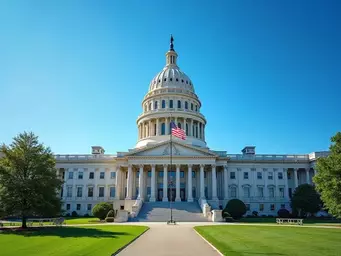
Term limits are legal restrictions on how long an elected official can serve. The visual below highlights the key types and applications across different government levels. For a deeper dive into how different political offices function, explore federal and state offices compared.
When we talk about term limits, it’s essential to grasp what they truly mean in the political landscape. Term limits are legal restrictions that dictate how long an elected official can serve in a particular office. They aim to prevent any individual from holding power indefinitely, thereby promoting a healthy turnover in leadership and governance.

Understanding this concept can feel a bit overwhelming, but think of it as a way to keep the political scene fresh and accountable. Just as a good team rotates players to maintain their energy and effectiveness, term limits help refresh our political representation.
So, what exactly do we mean by term limits? In simple terms, these are constraints that restrict the duration an individual can serve in an elected position. They can be implemented for various offices, including the presidency, congressional seats, and local government positions. Essentially, they serve to ensure that no single person has control over the political landscape for an extended period.
Term limits play a crucial role in shaping our political system. They are designed to enhance democratic principles by fostering regular change in leadership. This not only encourages new ideas but also helps prevent the entrenchment of power among a few individuals.
In the U.S., the most notable example of term limits is the 22nd Amendment, which restricts presidents to two terms. This amendment reflects the belief that no elected official should be allowed to dominate the political scene indefinitely.
Understanding these types of term limits can help us appreciate the various strategies employed to keep our political system dynamic and responsive to the needs of the citizens. For more insights into how elections function, consider reading about understanding US election processes.
Term limits aren’t just rules; they’re a vital component of our democratic system. They play a crucial role in promoting political accountability and reducing the tendency for incumbents to hold onto power too long. This is especially important in a landscape where citizens crave fresh ideas and new leadership.
While the discussion around term limits can be polarizing, it's important to recognize their significant role in shaping effective governance. By implementing these limits, we can enhance the vibrancy of our democracy.
Term limits matter for a variety of reasons, especially in supporting the democratic process. They create an environment where elected officials are more likely to be accountable to their constituents, as they know they won’t have indefinite control.
This accountability encourages officials to act in the best interests of their constituents, not just their political future.
Another key aspect of term limits is their role in limiting the power of incumbents. Without term limits, long-serving officials may become complacent or disconnected from the needs of their community.
By regularly rotating leadership, we can combat the establishment of an entrenched political elite, allowing for a more diverse range of ideas and solutions.
The legal context of term limits is also significant, as it shapes how they are implemented across different levels of government. Understanding this framework helps us see how term limits impact both national and local politics.
In the United States, the 22nd Amendment is the most well-known regulation governing term limits. Ratified in 1951, it specifically addresses presidential terms, limiting individuals to two elected terms in office. This amendment was largely a response to Franklin D. Roosevelt's four-term presidency, which raised concerns about concentrated power.
Other offices have varied rules, with some states implementing their own term limits for legislative positions, showcasing the decentralized approach to governance in the U.S.
Understanding these different levels of governance is crucial for grasping how term limits function in our political system.
The distinction between federal and state term limits can often lead to confusion. While the federal government has a clear guideline through the 22nd Amendment, state governments have the flexibility to establish their own rules. This results in a patchwork of term limits that can vary significantly from state to state.

For example, in some states, legislators might face strict term limits, while others may allow longer tenures. This comparison emphasizes the need for citizens to stay informed about the specific rules in their states to understand the political landscape better.
We invite you to reflect on the ongoing conversation about term limits. How do you believe these restrictions impact political accountability and representation in your community? Your insights can help shape a deeper understanding of this vital issue.
Term limits are legal restrictions that define the maximum duration an elected official can serve in a particular office. Their primary purpose is to prevent individuals from holding power indefinitely, promoting fresh leadership and accountability within the government.
There are two main types: consecutive term limits, which restrict how many terms an individual can serve in a row (e.g., two consecutive terms before stepping down), and lifetime term limits, which prevent an individual from ever serving in a specific office again once they've reached their limit, regardless of gaps in service.
Term limits enhance accountability by ensuring officials cannot hold indefinite power. Knowing their time in office is limited, they are often more motivated to deliver results and remain responsive to their constituents' needs, rather than focusing solely on long-term political survival.
The 22nd Amendment to the U.S. Constitution sets term limits for the presidency, restricting individuals to two elected terms in office. It was ratified in 1951, largely in response to Franklin D. Roosevelt's four terms, to address concerns about concentrated power.
While beneficial, term limits can lead to the loss of experienced politicians, potentially hindering legislative continuity and institutional knowledge. New leaders may also face a learning curve, which could temporarily affect policy effectiveness. Balancing accountability with the value of experience is a key challenge.
As we delve deeper into the debate around term limits, it’s essential to recognize their significant impact on our political landscape. Term limits spark discussions about the balance between accountability and experience. On one hand, they encourage fresh perspectives and prevent power from becoming too entrenched. On the other hand, there’s a concern that removing seasoned politicians might lead to a loss of valuable expertise. This ongoing dialogue is crucial as we shape the future of governance in our country.
In considering term limits, let’s reflect on a few key points:
Understanding these dynamics helps us appreciate the nuances involved in the term limits discussion. As a civic education platform, Next In Office aims to provide clarity on such intricate topics, ensuring citizens are well-informed and able to engage in these conversations.
The conversation about term limits often revolves around how to find a suitable balance. Advocates argue that term limits enhance political accountability by reducing the likelihood of corruption and complacency. In contrast, critics worry that frequent turnover could hinder the legislative process and disrupt continuity in governance. Therefore, it’s essential to weigh the benefits of accountability against the potential drawbacks of inexperience.
Here are a few perspectives to consider:
As we explore these perspectives, it's vital to remain open-minded. Engaging with differing viewpoints can help us understand the full scope of the term limits debate and its implications for our democracy.
Civic engagement plays a critical role in shaping public opinion on term limits. As we strive to make political information accessible at Next In Office, we encourage readers to actively participate in discussions related to governance and policy. Public sentiment can influence lawmakers and drive reforms, so being informed about term limits and their potential effects is essential.
Some avenues for civic engagement include:
By participating in these activities, citizens can help shape the direction of term limit policies and advocate for reforms that reflect their values. Next In Office stands ready to support your journey towards informed civic participation!
At Next In Office, we believe that every voice matters in the political conversation. I invite you to share your thoughts on term limits! What are your views about their impact on democracy? Do you think they promote accountability or impede effective governance? Engaging with these questions allows us to explore various perspectives and encourages a richer discussion.
Gathering insights from readers helps us create a more comprehensive understanding of these complex issues. Your perspectives are invaluable in shaping the future of political discourse!
Advocacy is crucial for driving change, especially when it comes to policies like term limits. Mobilizing support can lead to significant reforms that benefit our democratic systems. Here’s how you can get involved:
By taking these steps, you can help to ensure that the conversation around term limits remains alive and that our governance reflects the will of the people.
As we look ahead to the future of governance, it's essential to consider how electoral reform and campaign strategies may evolve. The discussion around term limits may pave the way for broader reforms aimed at enhancing democratic engagement and voter participation. Keeping an eye on these trends can help us stay informed about significant changes in the political landscape.
Some future trends to watch include:
Next In Office is committed to providing you with the information you need to understand these trends and their implications for our democracy. Together, we can navigate the evolving political landscape and advocate for systems that serve all citizens effectively! Learn more about campaign finance and its impact on elections.
Here is a quick recap of the important points discussed in the article:

Jordan McClure is a civic education writer and political researcher focused on helping readers better understand elections, candidates, government systems, and public policy. Through clear and balanced explanations, Jordan breaks down complex political topics into practical information that everyday readers can understand. His work emphasizes clarity, factual accuracy, and context over opinion, helping citizens stay informed and navigate political topics with confidence.