Strict Photo ID States
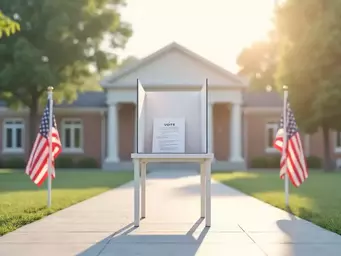
Require specific forms of photo identification for voting. This can include a driver's license or state-issued ID.
Highest ID Requirement
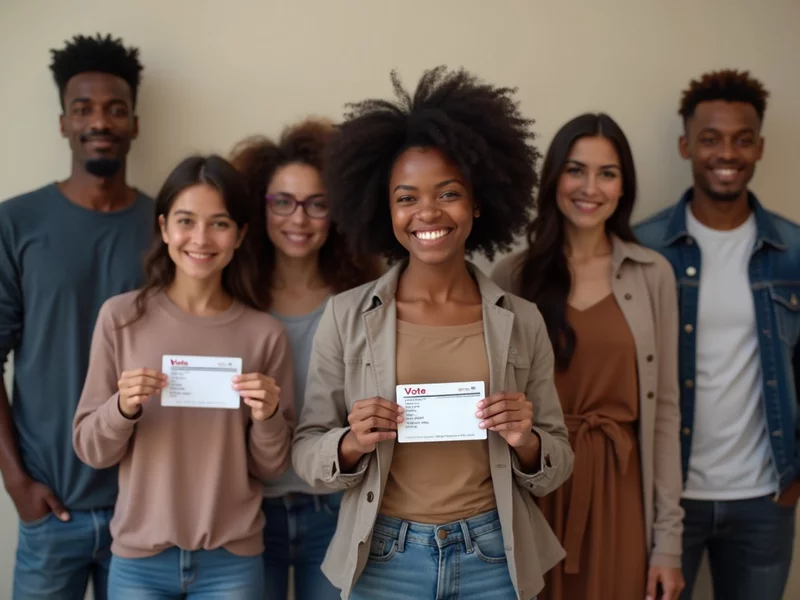
What if understanding your voting rights could significantly influence the outcome of an election? With the complexities of voter ID laws, navigating this landscape can feel overwhelming. However, being informed empowers you to participate confidently in the democratic process.
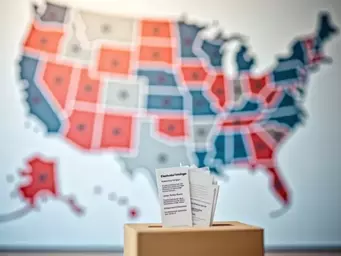
Voter ID laws vary significantly by state, impacting voter access and electoral security. The visual below categorizes states based on their voter identification requirements. To ensure you're ready for election day, remember to check your state's voter registration guide.
Require specific forms of photo identification for voting. This can include a driver's license or state-issued ID.
Allow various forms of identification, including non-photo IDs, or offer alternative verification methods.
Do not require any form of identification to vote, relying on other methods for voter verification.
When we talk about voter ID laws, it’s essential to understand what they are and why they matter. Voter ID laws require individuals to present specific forms of identification when voting. This can take various forms—like a driver's license or state-issued ID. The intention behind these laws is to ensure that each vote cast is legitimate and belongs to a registered voter.
However, the discussion around these laws isn't just about verification; it’s also about accessibility. Are these laws making it easier or harder for people to vote? The implications of voter ID laws can significantly influence electoral participation and the overall integrity of our democratic processes.
Voter ID laws serve a crucial role in the electoral landscape. They aim to prevent voter fraud by requiring proof of identity. This has sparked a robust debate about their necessity and effectiveness. Proponents argue that these laws protect election integrity, while critics highlight that they can disenfranchise eligible voters, particularly among marginalized communities.
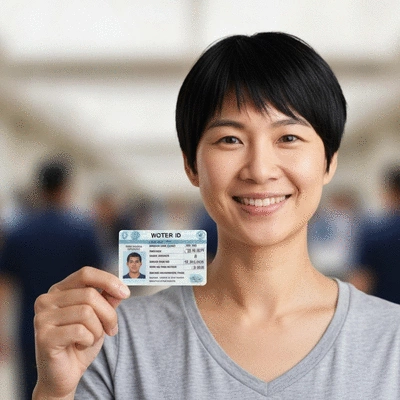
At Next In Office, we believe it’s vital for every citizen to delve into these topics. By breaking down complex laws into understandable language, we can empower readers to navigate the voting process with confidence. For more on how elections work, consider exploring understanding US election processes.
Voter identification requirements play a pivotal role in elections across the United States. They can shape who participates in the democratic process. For example, states with strict ID laws often see lower turnout rates, especially among young voters, the elderly, and those from lower-income backgrounds. These individuals may face challenges in acquiring the required documentation.
Understanding how these requirements vary can help you prepare better for upcoming elections, ensuring your voice is heard!
The debate on voter ID laws often centers on the balance between election integrity and accessibility. On one side, advocates assert that such laws help maintain the integrity of elections. On the other hand, opponents express concerns that these laws disproportionately affect eligible voters.
As we explore these issues, let’s keep in mind the importance of informed civic participation. At Next In Office, we aim to equip you with the knowledge necessary to engage in this debate and advocate for your rights as a voter.
How do you feel about voter ID laws? Do you believe they strengthen election integrity or create unnecessary barriers to voting? Share your thoughts below!
As we’ve navigated through the complexities of Voter ID laws, it’s essential to summarize their key aspects and the effects they have on our electoral system. Understanding these laws allows voters to be informed participants in the democratic process. Here are some key takeaways:

The dialogue surrounding Voter ID laws continues to evolve, highlighting the importance of keeping an eye on legislative changes that may affect your voting rights. As someone dedicated to providing clear political education, I encourage you to stay informed about these laws and their implications.
Voter ID laws are not a one-size-fits-all approach; they differ vastly from state to state. Some states require strict photo identification, while others may allow non-photo IDs or even no ID at all. Understanding these differences is vital. Here’s a quick look at the types of laws:
Knowing these distinctions can directly impact your voting experience. For instance, if you live in a strict ID state, you’ll need to ensure you have the correct ID before heading to the polls. This knowledge equips you to prepare adequately and participate confidently in elections, much like knowing what to expect on election day!
The landscape of Voter ID laws is heavily influenced by political agendas and advocacy groups. These organizations play a crucial role in shaping legislation and public opinion. Here’s how they impact the conversation:
As voters, it’s essential to understand how these influences can shape the laws that govern our voting rights. Staying engaged in these discussions, whether through local meetings or online forums, can help you advocate for fair and accessible voting practices in your community.
Finding accurate information about your state’s Voter ID requirements is easier than you might think! Many states offer official resources dedicated to helping voters understand ID laws. Here’s how to find what you need:
Using these resources ensures that you’re not only informed but also prepared to vote without any hiccups on election day!
Boosting voter participation is something we can all work toward. Every effort counts! Here are some practical steps you can take:
Taking small actions can lead to significant changes in your community’s voting habits, and it’s a fantastic way to contribute to a more informed and engaged electorate!
To enhance voter turnout, we must focus on civic engagement strategies that resonate with our communities. Here are some effective approaches:
By implementing these strategies, we can help create a more inclusive environment that empowers every citizen to participate in our democracy. Let’s work together to ensure that everyone has the opportunity to make their voice heard! Exploring topics like understanding general elections can further deepen your civic engagement.
Here is a quick recap of the important points discussed in the article:

Jordan McClure is a civic education writer and political researcher focused on helping readers better understand elections, candidates, government systems, and public policy. Through clear and balanced explanations, Jordan breaks down complex political topics into practical information that everyday readers can understand. His work emphasizes clarity, factual accuracy, and context over opinion, helping citizens stay informed and navigate political topics with confidence.